





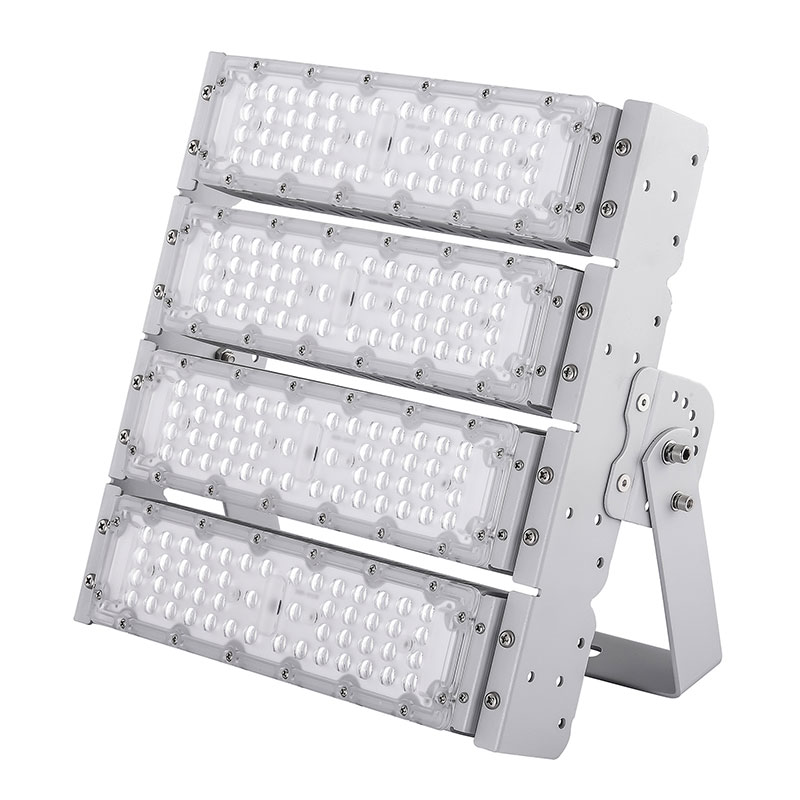
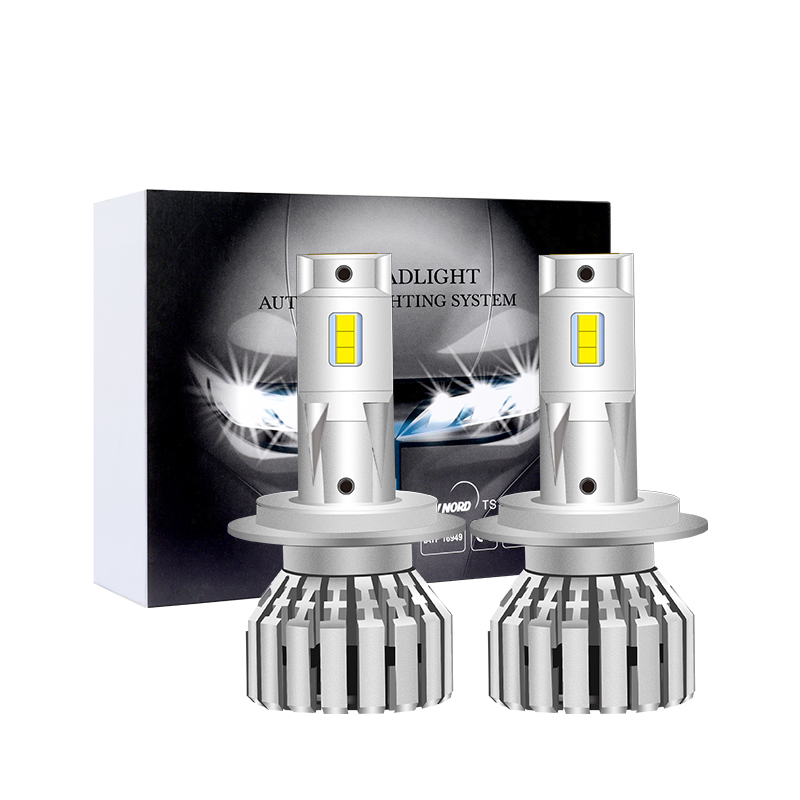
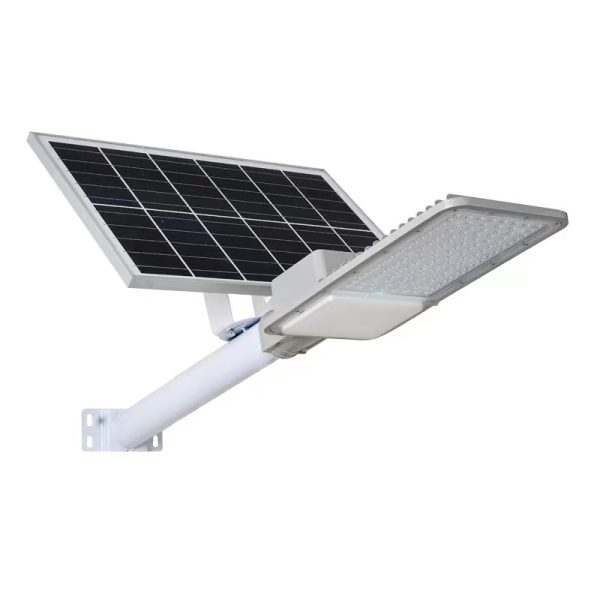
Waterproof lights have become an essential component in various industries, providing illumination in environments where traditional lighting solutions are inadequate. These specialized lights are designed to withstand exposure to water, moisture, and other harsh conditions, making them ideal for outdoor settings, construction sites, and aquatic environments. In this article, we will delve into the world of waterproof lights, exploring their types, applications, benefits, and the future of this innovative technology.
Introduction to Waterproof Lights
Waterproof lights are electrical devices that are designed to be resistant to water and moisture. This resistance is achieved through various means, such as sealing electrical connections, using water-resistant materials, and incorporating specialized coatings. The primary purpose of waterproof lighting is to ensure that light can be used in environments where exposure to water is a concern, without the risk of electrical hazards or damage to the equipment.
Types of Waterproof Lights
There are several types of waterproof lights available in the market, each with its unique design and features. The most common types include:
– IP-rated Waterproof Lights: These lights are categorized based on their Ingress Protection (IP) ratings, which indicate their level of protection against dust and water. For example, an IP65-rated light is dustproof and can withstand low-pressure water jets from any direction.
– Submersible Waterproof Lights: These lights are specifically designed to be fully submerged in water without any risk of damage. They are commonly used in pools, aquariums, and underwater applications.
– Exterior Waterproof Lights: These lights are designed for outdoor use and can withstand harsh weather conditions, including rain, snow, and extreme temperatures.
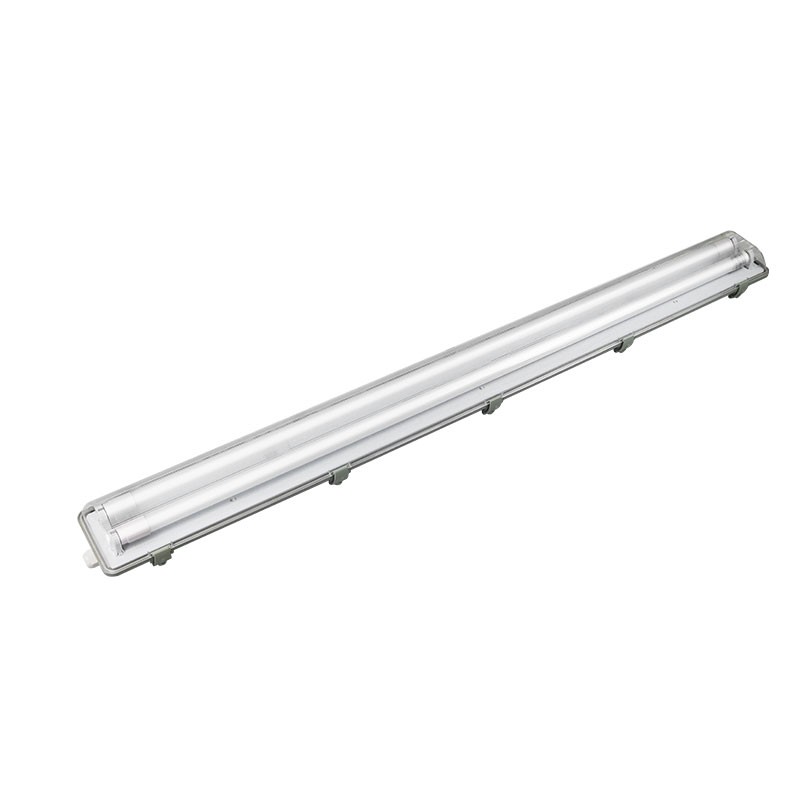
– Industrial Waterproof Lights: These lights are built to withstand the rigors of industrial environments, such as construction sites, manufacturing plants, and warehouses.
Applications of Waterproof Lights
Waterproof lights find applications in a wide range of industries and environments, including:
– Outdoor Lighting: Waterproof lights are commonly used in outdoor areas such as parks, gardens, and streetlights, providing illumination in wet conditions.
– Construction Sites: These lights are essential for illuminating work areas in construction sites, ensuring safety and efficiency.
– Aquariums and Pools: Submersible waterproof lights are used to illuminate aquatic environments, enhancing the visual appeal of the water and supporting plant and animal life.
– Marine and Boat Lighting: Waterproof lights are crucial for marine applications, such as boats, yachts, and offshore platforms, ensuring visibility and safety in aquatic environments.
– Emergency Lighting: Waterproof lights are often used in emergency lighting systems, providing illumination during power outages or other unforeseen events.
Benefits of Waterproof Lights
The use of waterproof lights offers several benefits, including:
– Increased Safety: By providing reliable illumination in wet conditions, waterproof lights help prevent accidents and injuries in outdoor and aquatic environments.
– Extended Lifespan: These lights are designed to withstand harsh conditions, which results in a longer lifespan compared to traditional lighting solutions.
– Energy Efficiency: Many waterproof lights are energy-efficient, reducing electricity consumption and lowering operating costs.
– Customization: Waterproof lights come in various designs, sizes, and colors, allowing for customization to suit specific needs and preferences.
Future of Waterproof Lights
The future of waterproof lights looks promising, with several emerging trends and advancements:
– Smart Waterproof Lighting: Integration of smart technology into waterproof lights allows for remote control, energy management, and enhanced functionality.
– LED Technology: The continued development of LED technology will lead to more energy-efficient and longer-lasting waterproof lights.
– Customizable Lighting Effects: Waterproof lights will likely offer more customizable lighting effects, such as color-changing options and dimming capabilities.
– Environmental Sustainability: There is a growing demand for eco-friendly waterproof lights, which will likely lead to the development of more sustainable materials and manufacturing processes.
In conclusion, waterproof lights play a crucial role in various industries and environments, providing reliable illumination in wet conditions. As technology continues to advance, we can expect to see more innovative and efficient waterproof lighting solutions in the future.
 English
 Afrikaans
 Albanian
 Amharic
 Arabic
 Armenian
 Azerbaijani
 Basque
 Belarusian
 Bengali
 Bosnian
 Bulgarian
 Catalan
 Cebuano
 Chichewa
 Corsican
 Croatian
 Czech
Czech Danish
 Dutch
Dutch Esperanto
 Estonian
 Filipino
 Finnish
 French
 Frisian
 Galician
 Georgian
 German
 Greek
Greek Gujarati
 Haitian Creole
 Hausa
Hausa Hawaiian
 Hebrew
 Hindi
Hindi Hmong
Hmong Hungarian
 Icelandic
 Igbo
Igbo Indonesian
 Irish
Irish Italian
 Japanese
 Javanese
 Kannada
 Kazakh
 Khmer
Khmer Korean
 Kurdish (Kurmanji)
 Kyrgyz
 Lao
Lao Latin
Latin Latvian
 Lithuanian
 Luxembourgish
 Macedonian
 Malagasy
 Malay
Malay Malayalam
 Maltese
 Maori
Maori Marathi
 Mongolian
 Myanmar (Burmese)
 Nepali
 Norwegian
 Pashto
 Persian
 Polish
 Portuguese
 Punjabi
 Romanian
 Russian
 Samoan
 Scottish Gaelic
 Serbian
 Sesotho
 Shona
Shona Sindhi
 Sinhala
 Slovak
 Slovenian
 Somali
 Spanish
 Sudanese
 Swahili
 Swedish
 Tajik
Tajik Tamil
Tamil Telugu
 Thai
Thai Turkish
 Ukrainian
 Urdu
Urdu Uzbek
Uzbek Vietnamese
 Welsh
Welsh Xhosa
Xhosa Yiddish
 Yoruba
 Zulu
Zulu