






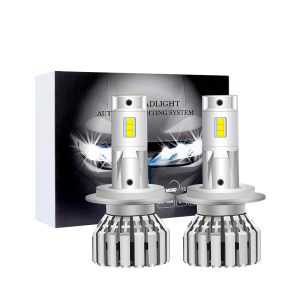
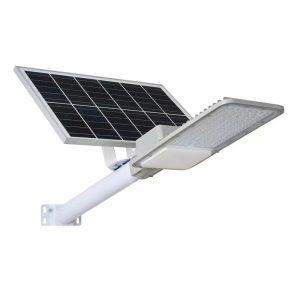
Swine breeding light has revolutionized the modern agricultural industry, providing a innovative and efficient solution for pork producers worldwide. By utilizing advanced lighting technologies, these systems ensure optimal growth and health for pigs, ultimately leading to higher productivity and better economic returns. In this comprehensive guide, we will delve into the intricacies of swine breeding light, exploring its benefits, technology, implementation, and future prospects.
Introduction to Swine Breeding Light
Swine breeding light refers to the use of artificial lighting systems in pig farming to mimic natural daylight cycles. This is crucial for the overall well-being of pigs, as it affects their reproductive cycles, growth patterns, and overall health. Traditional pig farming relied heavily on natural daylight, but with the advent of swine breeding light, farmers can now control the lighting environment to maximize production efficiency.
Benefits of Swine Breeding Light
The implementation of swine breeding light offers several key benefits to pork producers:
- Improved Reproductive Efficiency: Artificial lighting can help synchronize estrus cycles in sows, leading to higher conception rates and litter sizes.
- Enhanced Growth Rate: Proper lighting can stimulate growth hormone production, resulting in faster weight gain for piglets.
- Reduced Stress: By maintaining a consistent lighting schedule, pigs experience less stress, which can lead to lower disease incidence and improved overall health.
- Energy Efficiency: Advanced lighting systems can be designed to be energy-efficient, reducing operational costs for farmers.
Technology Behind Swine Breeding Light
The technology used in swine breeding light systems is quite sophisticated. Here are some of the key components and technologies involved:
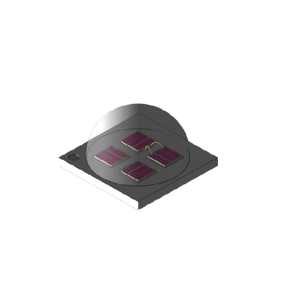
- Light Emitting Diodes (LEDs): LEDs are widely used in swine breeding light systems due to their energy efficiency, long lifespan, and ability to emit specific wavelengths of light.
- Lighting Control Systems: These systems allow farmers to control the intensity, color, and duration of light exposure, ensuring optimal conditions for pigs.
- Photoperiod Manipulation: By adjusting the photoperiod, farmers can manipulate the lighting cycle to simulate different seasons, which can influence reproductive cycles and growth patterns.
- Smart Sensors: Modern lighting systems often incorporate sensors that automatically adjust lighting based on the natural light levels outside, further optimizing the environment for pigs.
Implementation of Swine Breeding Light Systems
Implementing swine breeding light systems requires careful planning and consideration of several factors:
- Site Selection: The location of the pig farm should be chosen based on factors such as proximity to feed suppliers, market access, and environmental regulations.
- Building Design: The farm building should be designed to maximize natural light while ensuring the effectiveness of the artificial lighting system.
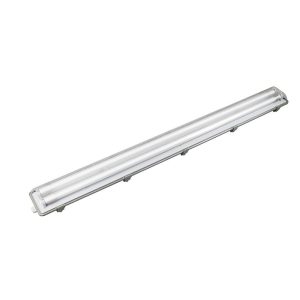
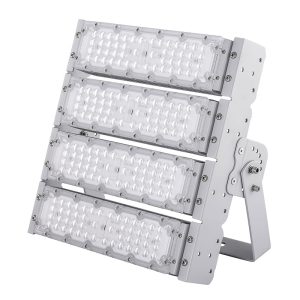
- Lighting Layout: The layout of lighting fixtures should be optimized to provide uniform light distribution throughout the facility.
- Integration with Farm Management Systems: Lighting systems should be integrated with other farm management technologies, such as temperature control and ventilation, to create an optimal environment for pigs.
Challenges and Solutions
While swine breeding light systems offer numerous benefits, there are also challenges that need to be addressed:
- Initial Investment: The cost of installing a swine breeding light system can be significant. However, the long-term savings in energy costs and improved production efficiency can make the investment worthwhile.
- Complexity of Systems: The complexity of modern lighting systems can be daunting for some farmers. Training and ongoing support from experts can help overcome this challenge.
- Regulatory Compliance: Farm operators must ensure that their lighting systems comply with local regulations and standards. Consulting with regulatory authorities can help ensure compliance.
Future Prospects of Swine Breeding Light
The future of swine breeding light looks promising, with ongoing advancements in technology and a growing awareness of the importance of animal welfare. Some emerging trends include:
- Integration with IoT: The Internet of Things (IoT) is expected to play a significant role in the future of swine breeding light, with sensors and smart devices providing real-time data and automated control of lighting systems.
- Personalized Lighting Solutions: As our understanding of pig behavior and physiology grows, lighting systems may become more personalized, catering to the specific needs of different pig breeds and production stages.
- Environmental Impact: With increasing concerns about sustainability, the development of more energy-efficient lighting technologies will continue to be a priority.
In conclusion, swine breeding light has become an essential component of modern pig farming, offering numerous benefits for both producers and pigs. As technology continues to advance, we can expect to see further improvements in the efficiency, effectiveness, and sustainability of these lighting systems.
 English
 Afrikaans
 Albanian
 Amharic
 Arabic
 Armenian
 Azerbaijani
 Basque
 Belarusian
 Bengali
 Bosnian
 Bulgarian
 Catalan
 Cebuano
 Chichewa
 Corsican
 Croatian
 Czech
Czech Danish
 Dutch
Dutch Esperanto
 Estonian
 Filipino
 Finnish
 French
 Frisian
 Galician
 Georgian
 German
 Greek
Greek Gujarati
 Haitian Creole
 Hausa
Hausa Hawaiian
 Hebrew
 Hindi
Hindi Hmong
Hmong Hungarian
 Icelandic
 Igbo
Igbo Indonesian
 Irish
Irish Italian
 Japanese
 Javanese
 Kannada
 Kazakh
 Khmer
Khmer Korean
 Kurdish (Kurmanji)
 Kyrgyz
 Lao
Lao Latin
Latin Latvian
 Lithuanian
 Luxembourgish
 Macedonian
 Malagasy
 Malay
Malay Malayalam
 Maltese
 Maori
Maori Marathi
 Mongolian
 Myanmar (Burmese)
 Nepali
 Norwegian
 Pashto
 Persian
 Polish
 Portuguese
 Punjabi
 Romanian
 Russian
 Samoan
 Scottish Gaelic
 Serbian
 Sesotho
 Shona
Shona Sindhi
 Sinhala
 Slovak
 Slovenian
 Somali
 Spanish
 Sudanese
 Swahili
 Swedish
 Tajik
Tajik Tamil
Tamil Telugu
 Thai
Thai Turkish
 Ukrainian
 Urdu
Urdu Uzbek
Uzbek Vietnamese
 Welsh
Welsh Xhosa
Xhosa Yiddish
 Yoruba
 Zulu
Zulu
Explore More from Queendom Lamp
Stay updated with the latest LED technology, lighting solutions, and industry insights.
Request a Quote About Queendom