









LED TROUBLESHOOTING HUB | ENGINEERED FOR GLOBAL RELIABILITY
Select your LED type below to access targeted failure analysis, installation guides, and technical support resources.
LED Failure & Installation Support
Queendom LEDs are engineered for 50,000+ hours of operation. When issues arise, use the correct guide based on your LED package type to resolve them quickly and safely.
| LED Type | Typical Applications | Common Issues | Support Guide |
|---|---|---|---|
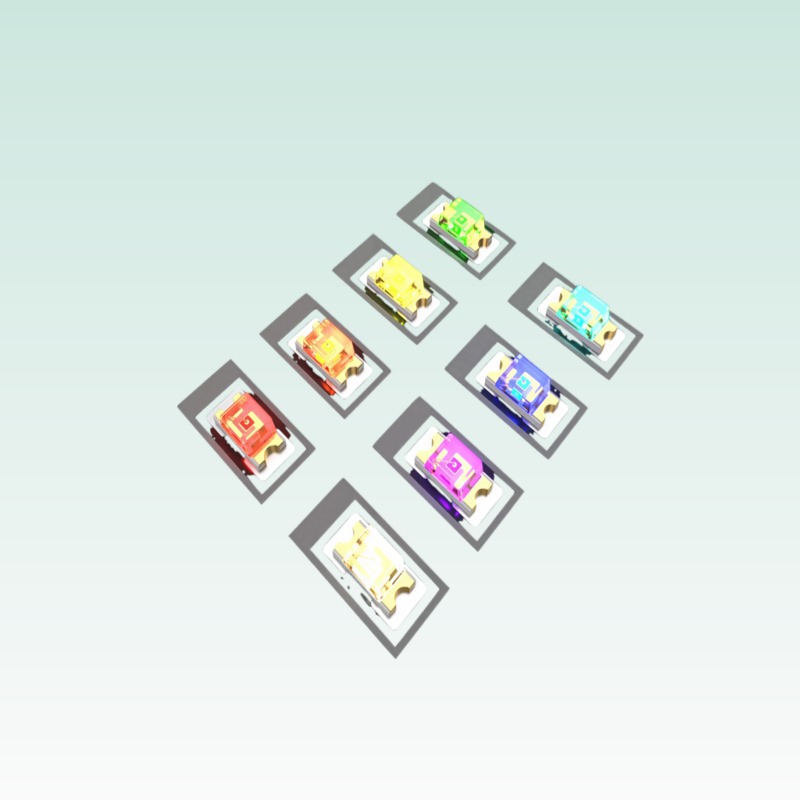
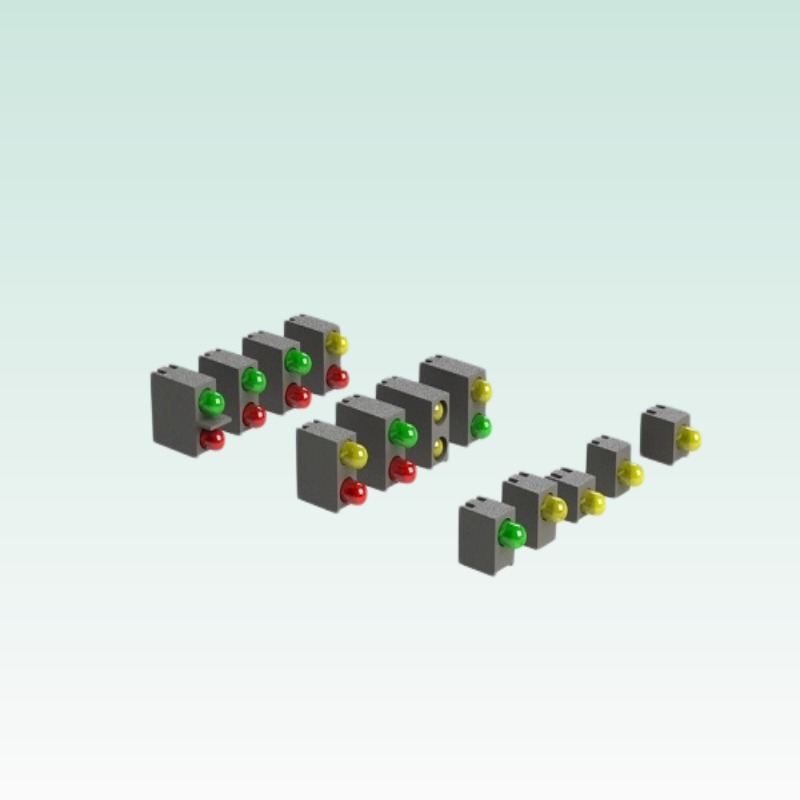
| Светодиод SMDs (Surface-Mount Device) | PCB-mounted lighting, automotive interiors, consumer electronics, backlighting, high-density panels | Solder joint failure, thermal stress cracking, ESD damage, color bin mismatch, non-lighting after reflow | Open SMD Guide → |
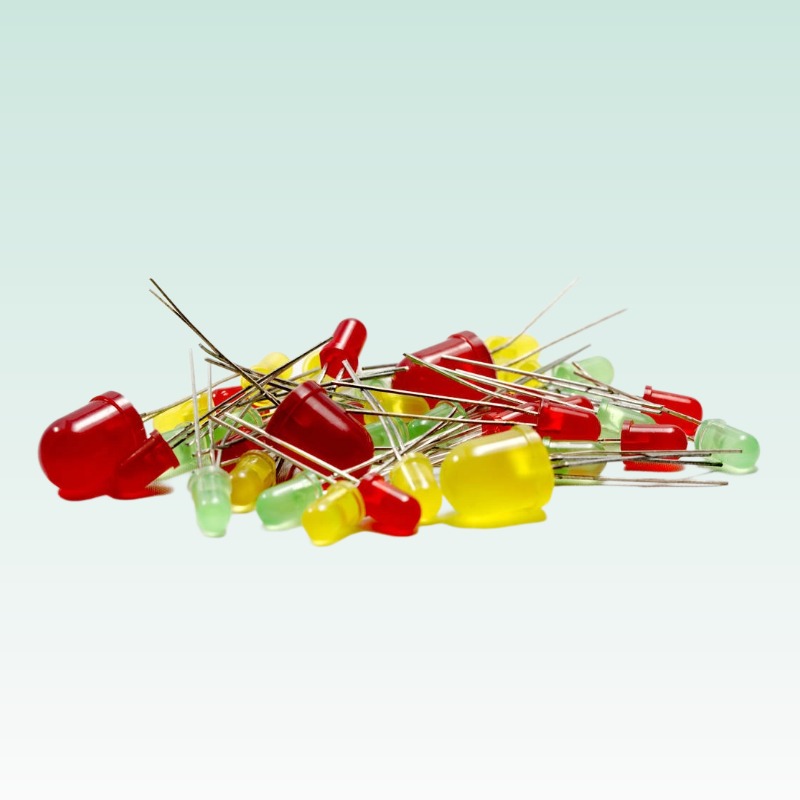
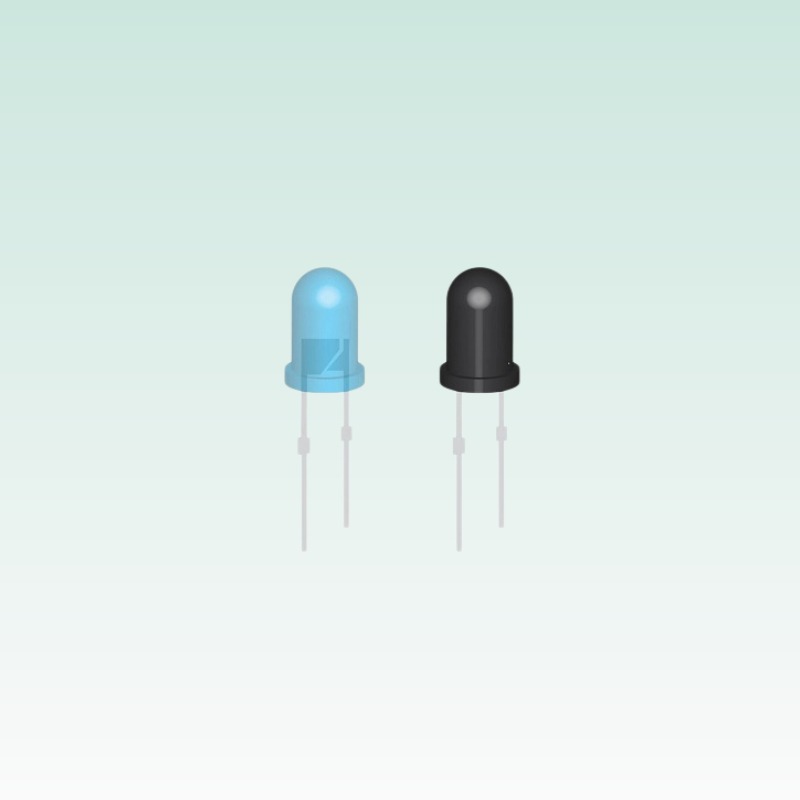
| DIP LEDs (Dual In-line Package) | Industrial control panels, power indicators, DIY electronics, legacy equipment, educational kits | Reversed polarity, missing current-limiting resistor, burnt-out leads, loose socket contact, dim output | Open DIP Guide → |
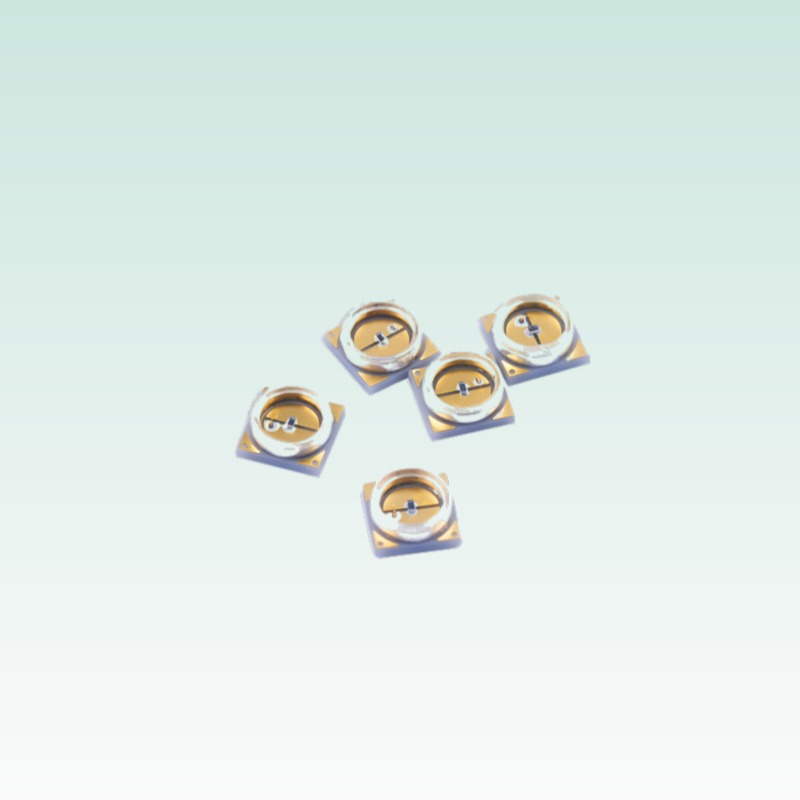
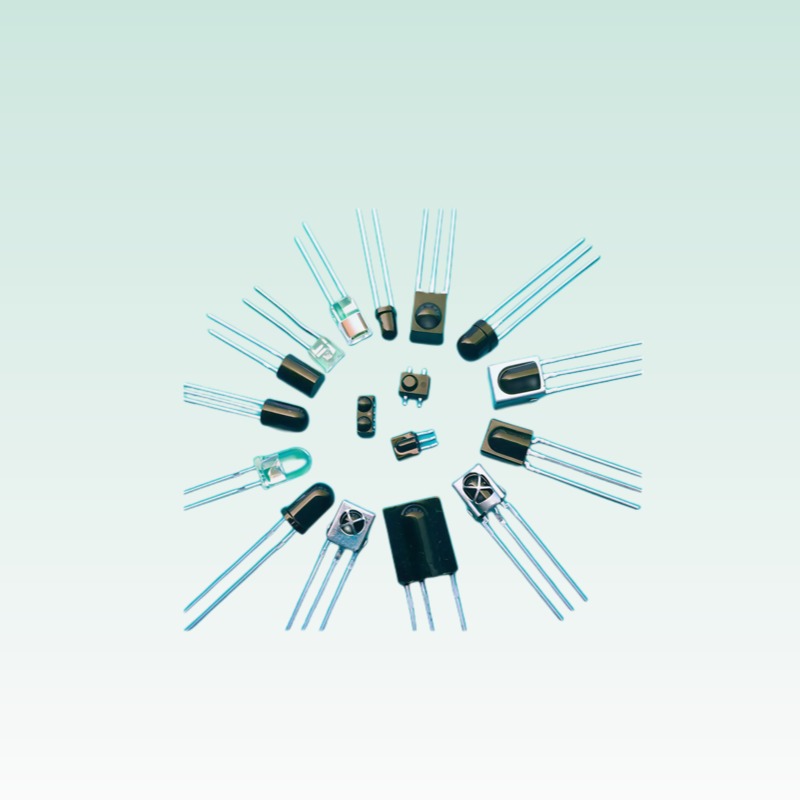
| Infrared (IR) LEDs (SMD or DIP) | Security cameras, remote controls, proximity sensors, industrial automation | Low radiant intensity, incorrect wavelength detection, driver circuit mismatch | Open IR Guide → |
| Resource | Описание | Формат файла | Скачать |
|---|---|---|---|
| LED Polarity Identification | Visual guide for anode/cathode marking on SMD & DIP packages | Скачать | |
| Recommended Solder Profiles | Reflow curves for 0603, 0805, 1206, 3528, 5050 Светодиод SMDs | Скачать | |
| Current-Limiting Calculator | Interactive tool (Excel) to calculate resistor value by Vf and supply voltage | XLSX | Скачать |
Need direct engineering support?
Provide your LED part number, application schematic, and photos of the issue. Our team responds within 4 business hours.
Failure Triage by Package Type: The Complete Matrix
Every LED package family fails differently because every family is built differently — die size, encapsulant, thermal path, and drive regime all change the failure physics. Use this matrix to route a field failure to the right analysis quickly:
| Package Type | Dominant Failure Modes | First Checks in the Field | Dedicated Guide |
|---|---|---|---|
| SMD (0603–5050) | Tombstoning, joint cracking under flex, ESD, bin drift after rework | Inspect joints under magnification; verify reflow profile records | Анализ отказов SMD |
| DIP (3/5 mm) | Reversed polarity, missing resistor, lead corrosion, encapsulant yellowing | Measure forward voltage both directions; check series resistor value | Анализ отказов DIP |
| Infrared (850/940 nm) | Low radiant intensity, wavelength mismatch to receiver, driver mismatch | Verify wavelength against photodetector response; check pulse duty | Анализ отказов ИК |
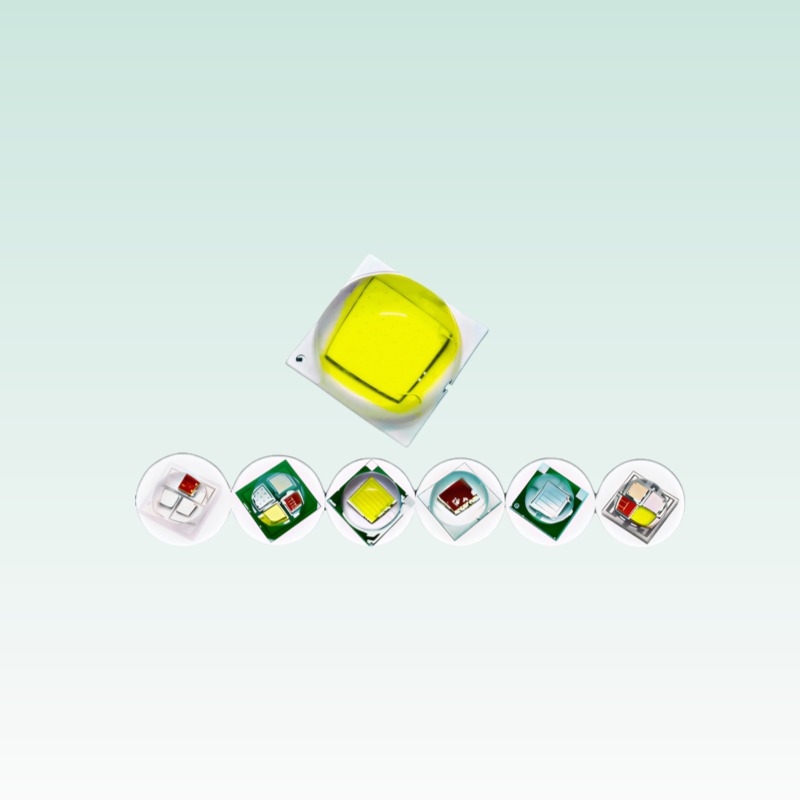
| High-Power (1–5 W) | Thermal runaway, phosphor darkening, driver surge damage | Measure case temperature under load; inspect TIM coverage | Мощный светодиод Анализ отказов |
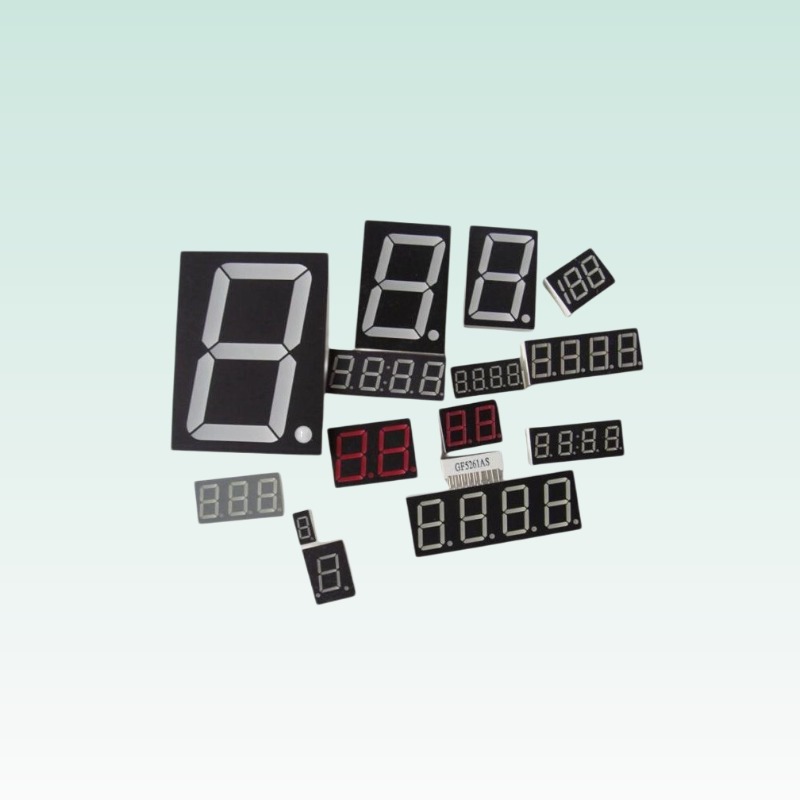
| Display / Matrix | Dead pixels, row/column opens, controller-clock artifacts | Isolate to die vs driver vs connector; swap drive boards | Анализ отказов дисплеев |
| ESD-suspect lots | Soft resistive junctions, delayed field death days after exposure | Audit bench grounding; screen lot with I-V curve trace | Повреждения от ЭСР и их предотвращение |
The Universal Five-Minute Diagnostic
Before opening any package, run this sequence — it resolves the majority of field returns without a lab:
- Sight: discoloration, cracks, burnt marks, corrosion on leads or pads
- Curve trace: forward I-V against the datasheet window; reverse leakage at rated voltage
- Thermal: case temperature under normal drive — anything above the datasheet derating curve at your ambient is a design finding, not a part failure
- Drive: actual current and duty cycle at the part, not at the bench supply — long cable runs and shared returns shift both
- History: date code, lot, when it failed (first power-up vs after N hours), and what changed in the process around that time
When a Field Fix Is Not the Answer
If the five-minute diagnostic points to die-level or package-level damage — dead part with clean joints, or degradation that tracks one date code — escalate to structured analysis. The full non-destructive-to-destructive sequence, evidence handling, and 8D report format are documented in the failure analysis overview, and thermal-management design errors that mimic early failure are covered in the thermal management guide.