

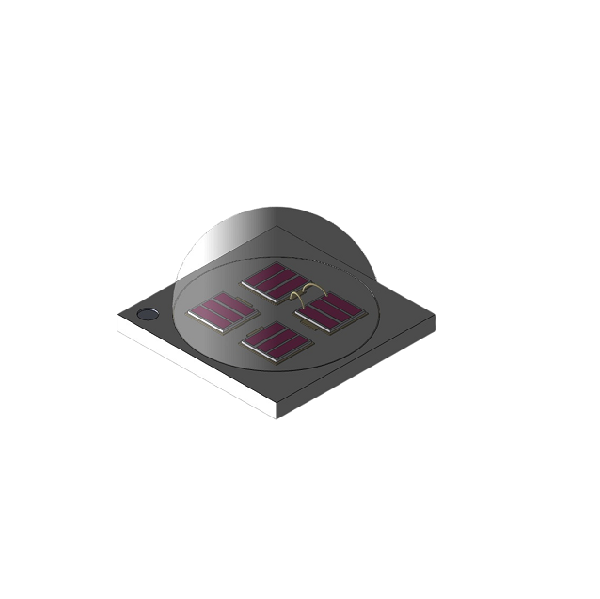
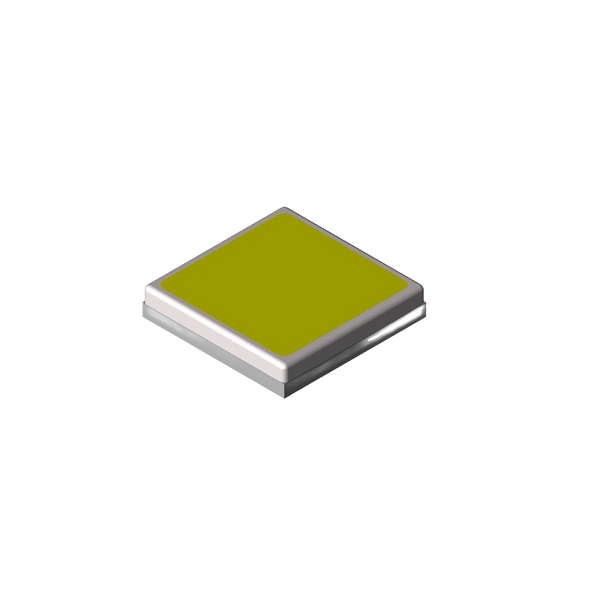

Deep ultraviolet (DUV) LEDs have emerged as a revolutionary technology in the field of lighting and optoelectronics. These LEDs emit light in the deep ultraviolet region of the electromagnetic spectrum, which is between 200 and 280 nanometers. This unique property makes them highly sought after for various applications, including sterilization, water purification, and advanced manufacturing processes. In this article, we will delve into the world of DUV LEDs, exploring their working principles, applications, and the challenges faced by the industry.
Introduction to Deep Ultraviolet (DUV) LEDs
Deep ultraviolet LEDs are solid-state devices that emit light at wavelengths shorter than those of visible light. Unlike traditional UV LEDs, which operate in the UV-A and UV-B regions, DUV LEDs emit light in the more intense and harmful DUV region. The primary advantage of DUV LEDs is their ability to produce high-intensity light at a specific wavelength, making them ideal for applications that require precise control over the wavelength of the emitted light.
Working Principles of DUV LEDs
The working principle of DUV LEDs is based on the quantum well structure. Quantum wells are thin layers of semiconductor material sandwiched between two wider semiconductor layers. When an electric current is applied to the DUV LED, electrons and holes are injected into the quantum well. As these electrons and holes recombine, they release energy in the form of photons. The energy released determines the wavelength of the emitted light, and in the case of DUV LEDs, it corresponds to the deep ultraviolet region.
The key to achieving high-intensity DUV light is the use of high-quality semiconductor materials and optimized quantum well structures. Gallium nitride (GaN) is one of the most commonly used materials for DUV LEDs due to its wide bandgap and excellent optical properties. Other materials, such as aluminum nitride (AlN) and zinc selenide (ZnSe), are also being explored for their potential in DUV LED technology.
Applications of Deep Ultraviolet (DUV) LEDs
The unique properties of DUV LEDs make them suitable for a wide range of applications. Some of the most prominent applications include:
1. Sterilization: DUV LEDs are highly effective in sterilizing surfaces and air by destroying the DNA and RNA of microorganisms. This makes them ideal for use in medical devices, water purification systems, and food processing facilities.
2. Water Purification: DUV LEDs can be used to purify water by breaking down harmful contaminants, such as bacteria, viruses, and organic matter. This technology is gaining popularity in the water treatment industry due to its efficiency and cost-effectiveness.
3. Advanced Manufacturing: DUV LEDs are used in various manufacturing processes, such as photolithography, to create high-resolution patterns on semiconductor wafers. Their ability to emit light at a specific wavelength allows for precise control over the manufacturing process, resulting in improved product quality.
4. Environmental Monitoring: DUV LEDs can be used to detect and monitor pollutants in the environment, such as ozone and nitrogen dioxide. This technology is crucial for ensuring air quality and protecting public health.
Challenges and Future Prospects
Despite the numerous advantages of DUV LEDs, the industry faces several challenges. One of the primary challenges is the high cost of manufacturing DUV LEDs. The development of high-quality semiconductor materials and optimized quantum well structures requires significant investment in research and development.
Another challenge is the limited lifetime of DUV LEDs. The degradation of the semiconductor material over time can lead to a decrease in the intensity and stability of the emitted light. Researchers are actively working on improving the stability and longevity of DUV LEDs to make them more reliable for long-term applications.
Looking ahead, the future of DUV LED technology is promising. As research and development continue to advance, we can expect to see improvements in the efficiency, cost, and lifetime of DUV LEDs. This will open up new applications and expand the market for these innovative devices.
In conclusion, deep ultraviolet LEDs are a cutting-edge technology with immense potential in various industries. Their ability to emit high-intensity light at specific wavelengths makes them ideal for applications such as sterilization, water purification, and advanced manufacturing. As the industry overcomes the challenges it faces, we can anticipate a bright future for DUV LEDs, with new applications and advancements that will continue to shape the world around us.
 English
 Afrikaans
 Albanian
 Amharic
 Arabic
 Armenian
 Azerbaijani
 Basque
 Belarusian
 Bengali
 Bosnian
 Bulgarian
 Catalan
 Cebuano
 Chichewa
 Corsican
 Croatian
 Czech
Czech Danish
 Dutch
Dutch Esperanto
 Estonian
 Filipino
 Finnish
 French
 Frisian
 Galician
 Georgian
 German
 Greek
Greek Gujarati
 Haitian Creole
 Hausa
Hausa Hawaiian
 Hebrew
 Hindi
Hindi Hmong
Hmong Hungarian
 Icelandic
 Igbo
Igbo Indonesian
 Irish
Irish Italian
 Japanese
 Javanese
 Kannada
 Kazakh
 Khmer
Khmer Korean
 Kurdish (Kurmanji)
 Kyrgyz
 Lao
Lao Latin
Latin Latvian
 Lithuanian
 Luxembourgish
 Macedonian
 Malagasy
 Malay
Malay Malayalam
 Maltese
 Maori
Maori Marathi
 Mongolian
 Myanmar (Burmese)
 Nepali
 Norwegian
 Pashto
 Persian
 Polish
 Portuguese
 Punjabi
 Romanian
 Russian
 Samoan
 Scottish Gaelic
 Serbian
 Sesotho
 Shona
Shona Sindhi
 Sinhala
 Slovak
 Slovenian
 Somali
 Spanish
 Sudanese
 Swahili
 Swedish
 Tajik
Tajik Tamil
Tamil Telugu
 Thai
Thai Turkish
 Ukrainian
 Urdu
Urdu Uzbek
Uzbek Vietnamese
 Welsh
Welsh Xhosa
Xhosa Yiddish
 Yoruba
 Zulu
Zulu
Explore More from Queendom Lamp
Stay updated with the latest LED technology, lighting solutions, and industry insights.
Request a Quote About Queendom