








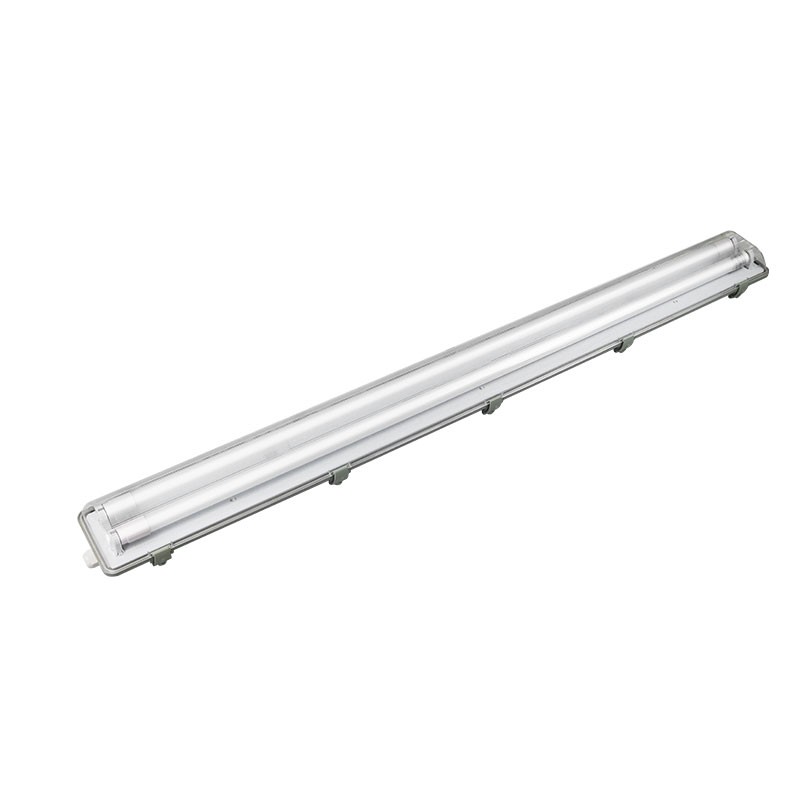
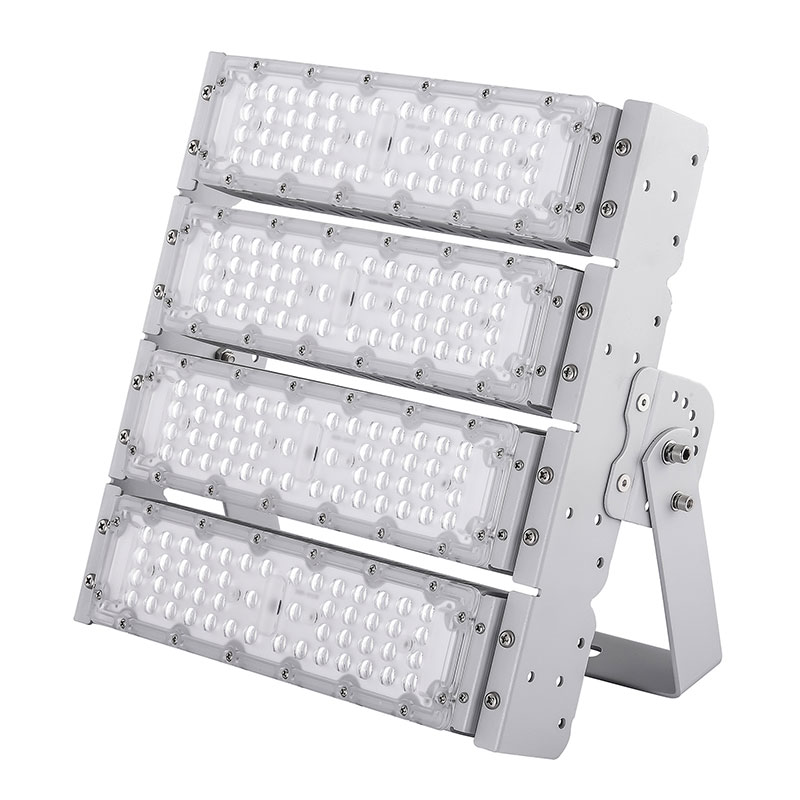


Tunnel light, a term that evokes images of long, dark tunnels illuminated by bright beams, plays a crucial role in modern infrastructure and safety. These specialized lighting systems are designed to provide optimal visibility for drivers and pedestrians in tunnels, ensuring safe passage even in low-light conditions. This article delves into the world of tunnel light, exploring its history, technology, applications, and future trends.
History of Tunnel Lighting
The concept of tunnel lighting dates back to the early 19th century when tunnels were first constructed. Initially, these tunnels were illuminated by candles, oil lamps, or gas lamps, which posed significant safety risks due to potential fires and explosions. As technology advanced, electric lighting systems were introduced, which offered a safer and more efficient alternative.
In the 20th century, with the rise of the automobile and the need for longer and more complex tunnels, the design and functionality of tunnel lighting systems became more sophisticated. The development of new lighting technologies, such as high-intensity discharge (HID) lamps and light-emitting diodes (LEDs), further enhanced the safety and efficiency of tunnel lighting.
Technology Behind Tunnel Lighting
Tunnel lighting systems are designed to provide uniform and efficient illumination, minimizing glare and shadows. The technology behind these systems includes several key components:
- Light Sources: LEDs and HID lamps are the most commonly used light sources in tunnel lighting. LEDs are known for their energy efficiency, long lifespan, and ability to produce a high-quality light. HID lamps, such as metal halide and high-pressure sodium lamps, offer a bright and intense light output.
- Light Distribution: The design of the lighting fixtures and the placement of the light sources are crucial for achieving uniform illumination. Reflectors, diffusers, and prisms are used to direct the light effectively and minimize glare.
- Control Systems: Modern tunnel lighting systems often include control systems that adjust the intensity and distribution of light based on traffic flow, time of day, and environmental conditions.
- Emergency Lighting: In the event of a power outage or emergency, tunnel lighting systems are equipped with emergency lighting to ensure continued visibility and safety.
Applications of Tunnel Lighting
Tunnel lighting is essential in a variety of applications, including:
- Highway Tunnels: These are the most common application of tunnel lighting, providing visibility for drivers and reducing the risk of accidents.
- Subway Stations: Subways often have long tunnels that require effective lighting to ensure the safety of passengers.
- Underground Parking Garages: Proper lighting is crucial in underground parking facilities to prevent accidents and provide a safe environment for drivers and pedestrians.
- Utility Tunnels: Tunnels used for utilities, such as water, gas, and telecommunications, require lighting for maintenance and safety purposes.
Regulations and Standards
The design and installation of tunnel lighting systems are subject to various regulations and standards to ensure safety and compliance with industry best practices. These regulations cover aspects such as light intensity, color temperature, emergency lighting, and control systems. Organizations like the International Tunneling Association (ITA) and the International Commission on Illumination (CIE) provide guidelines and standards for tunnel lighting design.
Future Trends in Tunnel Lighting
The future of tunnel lighting is poised to be shaped by several emerging technologies and trends:
- Smart Lighting: Integration of sensors and smart control systems will enable lighting systems to adapt to changing conditions in real-time, optimizing energy consumption and safety.
- Advanced Materials: The development of new materials for lighting fixtures and reflectors will improve durability and efficiency.
- Artificial Intelligence (AI): AI-driven systems will enhance the performance of tunnel lighting by predicting and responding to traffic patterns and environmental changes.
- Renewable Energy: The integration of renewable energy sources, such as solar and wind power, will reduce the carbon footprint of tunnel lighting systems.
In conclusion, tunnel lighting is a critical component of modern infrastructure, ensuring safety and efficiency in underground environments. As technology continues to advance, the future of tunnel lighting will bring even greater improvements in safety, sustainability, and energy efficiency.
 English
 Afrikaans
 Albanian
 Amharic
 Arabic
 Armenian
 Azerbaijani
 Basque
 Belarusian
 Bengali
 Bosnian
 Bulgarian
 Catalan
 Cebuano
 Chichewa
 Corsican
 Croatian
 Czech
Czech Danish
 Dutch
Dutch Esperanto
 Estonian
 Filipino
 Finnish
 French
 Frisian
 Galician
 Georgian
 German
 Greek
Greek Gujarati
 Haitian Creole
 Hausa
Hausa Hawaiian
 Hebrew
 Hindi
Hindi Hmong
Hmong Hungarian
 Icelandic
 Igbo
Igbo Indonesian
 Irish
Irish Italian
 Japanese
 Javanese
 Kannada
 Kazakh
 Khmer
Khmer Korean
 Kurdish (Kurmanji)
 Kyrgyz
 Lao
Lao Latin
Latin Latvian
 Lithuanian
 Luxembourgish
 Macedonian
 Malagasy
 Malay
Malay Malayalam
 Maltese
 Maori
Maori Marathi
 Mongolian
 Myanmar (Burmese)
 Nepali
 Norwegian
 Pashto
 Persian
 Polish
 Portuguese
 Punjabi
 Romanian
 Russian
 Samoan
 Scottish Gaelic
 Serbian
 Sesotho
 Shona
Shona Sindhi
 Sinhala
 Slovak
 Slovenian
 Somali
 Spanish
 Sudanese
 Swahili
 Swedish
 Tajik
Tajik Tamil
Tamil Telugu
 Thai
Thai Turkish
 Ukrainian
 Urdu
Urdu Uzbek
Uzbek Vietnamese
 Welsh
Welsh Xhosa
Xhosa Yiddish
 Yoruba
 Zulu
Zulu
Explore More from Queendom Lamp
Stay updated with the latest LED technology, lighting solutions, and industry insights.
Request a Quote About Queendom