






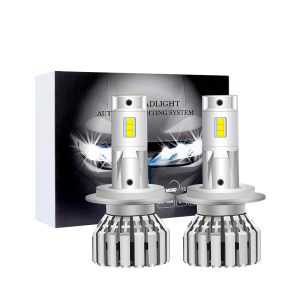

Introduction to SMD LED Factory
The Rise of SMD LED Factories
The era of traditional lighting has given way to the modern age of solid-state lighting, and at the heart of this transformation lies the SMD LED factory. SMD, or Surface Mount Device, LED factories have become pivotal in the global lighting industry, producing high-quality light-emitting diodes that are efficient, durable, and versatile. This article delves into the world of SMD LED factories, exploring their significance, operations, and the impact they have on the lighting landscape.
What is an SMD LED Factory?
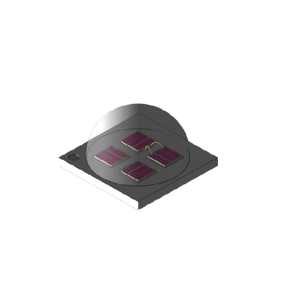
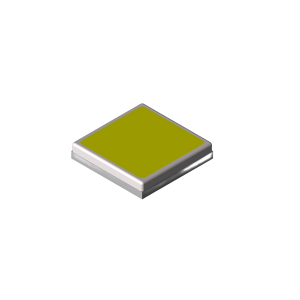
An SMD LED factory is a specialized manufacturing facility dedicated to the production of Surface Mount Light Emitting Diodes. These factories are equipped with state-of-the-art technology and skilled labor to ensure the production of high-performance LEDs. The process involves several steps, including wafer fabrication, chip packaging, and module assembly, which are meticulously carried out to achieve the desired quality and efficiency.
Key Components of an SMD LED Factory
The core of an SMD LED factory consists of several key components that are essential for the production process:
1. Wafer Fabrication: This is the initial stage where the LED chips are created. The factory uses advanced photolithography techniques to deposit layers of semiconductor materials onto a silicon wafer.
2. Chip Packaging: After the wafer is processed, individual LED chips are separated and packaged. This involves encapsulating the chips in a protective material, such as epoxy or polyimide, to enhance their durability and light output.
3. Testing: Quality control is a crucial aspect of SMD LED production. Factories employ rigorous testing procedures to ensure that each LED meets the required specifications in terms of brightness, color, and efficiency.
4. Module Assembly: The final step involves assembling the individual LEDs into modules or arrays, which are then ready for installation in various lighting applications.
Operations in an SMD LED Factory
The operations in an SMD LED factory are highly streamlined and efficient. Here is an overview of the typical process:
1. Material Procurement: The factory sources high-quality raw materials, such as gallium nitride (GaN) or silicon carbide (SiC), which are essential for LED production.
2. Wafer Fabrication: The raw materials are processed to create silicon wafers, which are then diced into individual LED chips.
3. Chip Packaging: The LED chips are packaged with a lead frame or die attach process, followed by encapsulation and wire bonding.
4. Testing: Each LED is tested for performance and quality before it is deemed fit for use.
5. Module Assembly: The tested LEDs are assembled into modules, which are then tested again to ensure they meet the required standards.
6. Quality Assurance: The final products are inspected to ensure they meet all quality and safety standards before being packaged and shipped.
Technological Advancements in SMD LED Factories
SMD LED factories have witnessed significant technological advancements over the years. Some of the key developments include:
1. Improved Efficiency: Innovations in materials and design have led to higher efficiency in SMD LEDs, making them more energy-efficient than traditional lighting sources.
2. Better Heat Management: Advanced thermal management techniques have been introduced to dissipate heat effectively, ensuring the longevity of the LEDs.
3. Color Consistency: The development of better phosphors and encapsulation materials has improved the color consistency of SMD LEDs, providing a more uniform and pleasant lighting experience.
4. Miniaturization: SMD LED technology has become increasingly miniaturized, allowing for the integration of lighting into smaller devices and spaces.
The Impact of SMD LED Factories on the Lighting Industry
The rise of SMD LED factories has had a profound impact on the lighting industry:
1. Energy Efficiency: SMD LEDs consume significantly less energy than traditional bulbs, contributing to reduced electricity bills and lower greenhouse gas emissions.
2. Cost Reduction: As the technology has matured, the cost of SMD LEDs has decreased, making them more accessible to consumers and businesses.
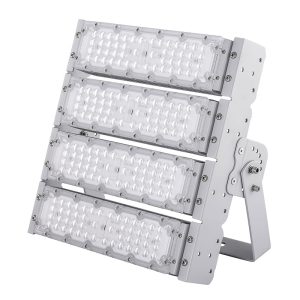
3. Design Flexibility: The versatility of SMD LEDs has allowed for the creation of innovative lighting solutions, including smart lighting systems that can be controlled remotely.
4. Environmental Benefits: SMD LEDs have a longer lifespan than traditional bulbs, reducing the need for frequent replacements and minimizing electronic waste.
Conclusion
SMD LED factories have revolutionized the lighting industry by producing efficient, durable, and versatile lighting solutions. With continuous technological advancements, these factories are poised to shape the future of lighting, offering solutions that are not only environmentally friendly but also economically viable. As the world moves towards sustainable and smart lighting solutions, the role of SMD LED factories will only become more significant, ensuring that the journey towards a brighter and more sustainable future is illuminated by innovation.
 English
 Afrikaans
 Albanian
 Amharic
 Arabic
 Armenian
 Azerbaijani
 Basque
 Belarusian
 Bengali
 Bosnian
 Bulgarian
 Catalan
 Cebuano
 Chichewa
 Corsican
 Croatian
 Czech
Czech Danish
 Dutch
Dutch Esperanto
 Estonian
 Filipino
 Finnish
 French
 Frisian
 Galician
 Georgian
 German
 Greek
Greek Gujarati
 Haitian Creole
 Hausa
Hausa Hawaiian
 Hebrew
 Hindi
Hindi Hmong
Hmong Hungarian
 Icelandic
 Igbo
Igbo Indonesian
 Irish
Irish Italian
 Japanese
 Javanese
 Kannada
 Kazakh
 Khmer
Khmer Korean
 Kurdish (Kurmanji)
 Kyrgyz
 Lao
Lao Latin
Latin Latvian
 Lithuanian
 Luxembourgish
 Macedonian
 Malagasy
 Malay
Malay Malayalam
 Maltese
 Maori
Maori Marathi
 Mongolian
 Myanmar (Burmese)
 Nepali
 Norwegian
 Pashto
 Persian
 Polish
 Portuguese
 Punjabi
 Romanian
 Russian
 Samoan
 Scottish Gaelic
 Serbian
 Sesotho
 Shona
Shona Sindhi
 Sinhala
 Slovak
 Slovenian
 Somali
 Spanish
 Sudanese
 Swahili
 Swedish
 Tajik
Tajik Tamil
Tamil Telugu
 Thai
Thai Turkish
 Ukrainian
 Urdu
Urdu Uzbek
Uzbek Vietnamese
 Welsh
Welsh Xhosa
Xhosa Yiddish
 Yoruba
 Zulu
Zulu
Explore More from Queendom Lamp
Stay updated with the latest LED technology, lighting solutions, and industry insights.
Request a Quote About Queendom