

When it comes to the aesthetics and functionality of a space, ceiling and lighting play a pivotal role. The ceiling, often overlooked, serves as the backdrop for the room, while lighting sets the mood and enhances the ambiance. This article delves into the industry of ceiling and lighting, exploring the latest trends, technologies, and the impact they have on both residential and commercial settings.
Introduction to Ceiling and Lighting Industry
The ceiling and lighting industry encompasses a wide range of products and services that cater to the needs of both homeowners and businesses. From simple ceiling tiles to sophisticated lighting fixtures, this sector is constantly evolving to meet the demands of modern design and technology.
Historically, ceilings were primarily functional, serving to cover the rafters and provide a smooth, flat surface. However, with the advent of modern architecture and interior design, ceilings have become a canvas for creativity, offering endless possibilities for customization and personalization.
Types of Ceilings
There are several types of ceilings commonly used in both residential and commercial settings:
–
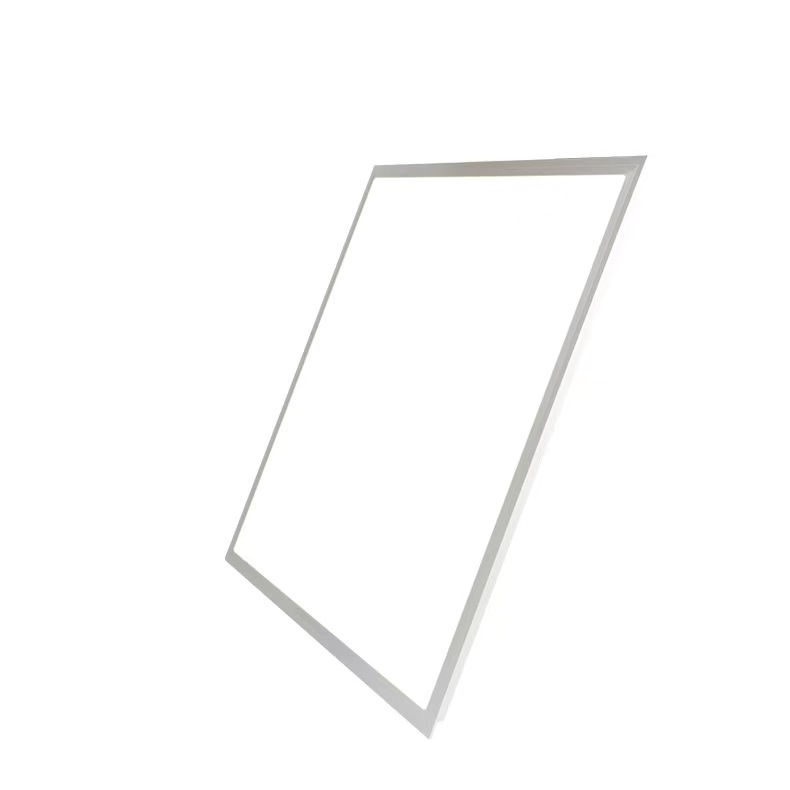
Drop Ceilings: Also known as suspended ceilings, these are installed above the main ceiling to hide pipes, wires, and other mechanical elements. They are popular for their aesthetic appeal and ease of maintenance.
–
Flat Ceilings: These ceilings are flush with the walls, providing a clean and modern look. They are often used in contemporary homes and offices.
–
Recessed Ceilings: Recessed lighting fixtures are mounted into the ceiling, creating a sleek and unobtrusive appearance. This type of ceiling is ideal for spaces where a minimalist design is preferred.
–
Textured Ceilings: These ceilings have a patterned or textured surface, which can add depth and interest to a room. They are often used in traditional or rustic-style interiors.
Lighting Fixtures and Technologies
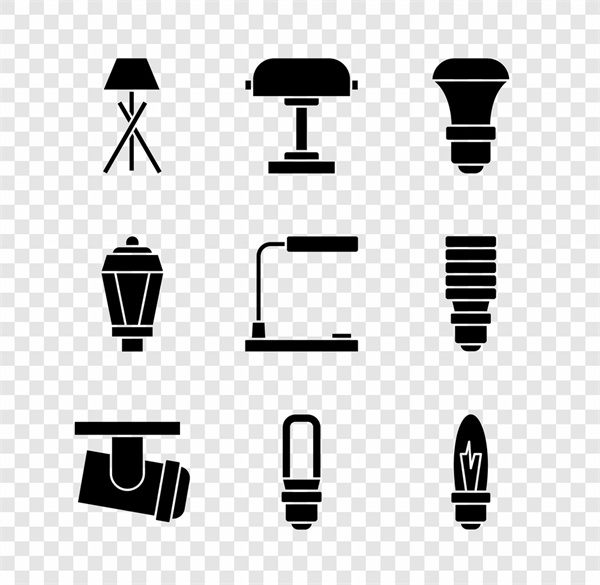
Lighting fixtures are the centerpiece of any ceiling design. The right lighting can transform a space, setting the tone for the room and enhancing its functionality. Here are some popular lighting fixtures and technologies:
–
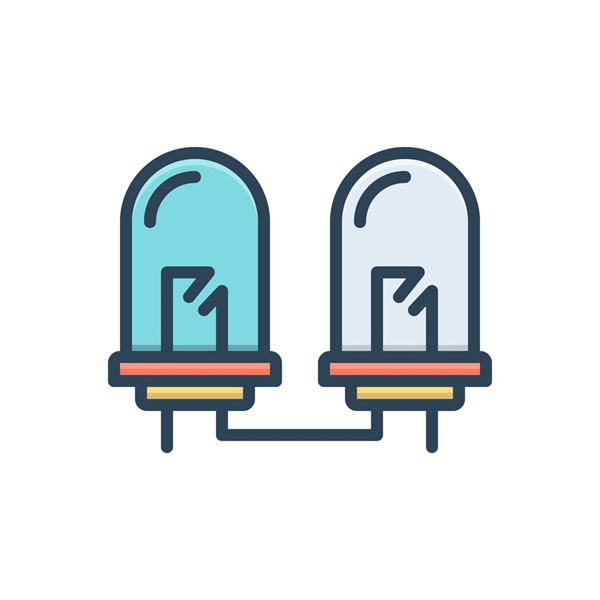
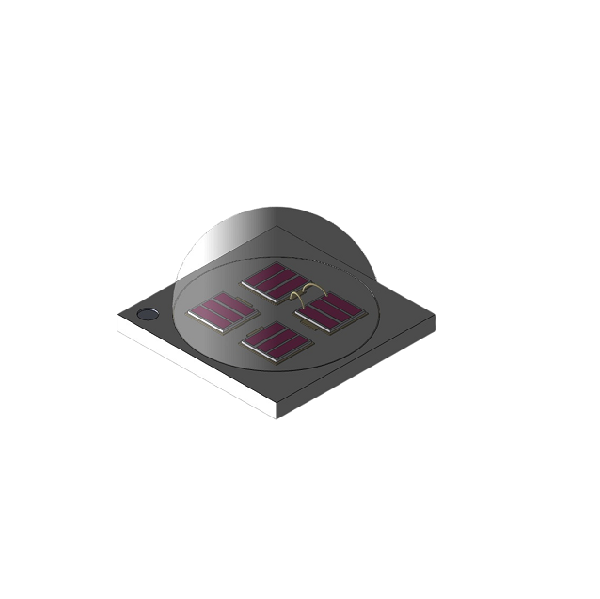
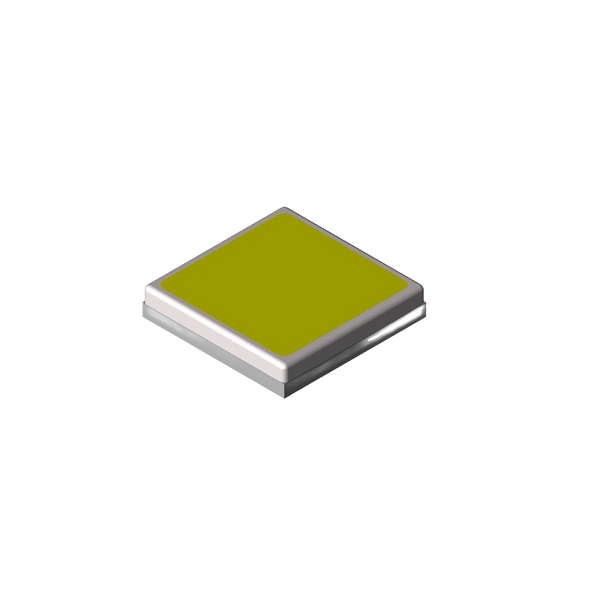
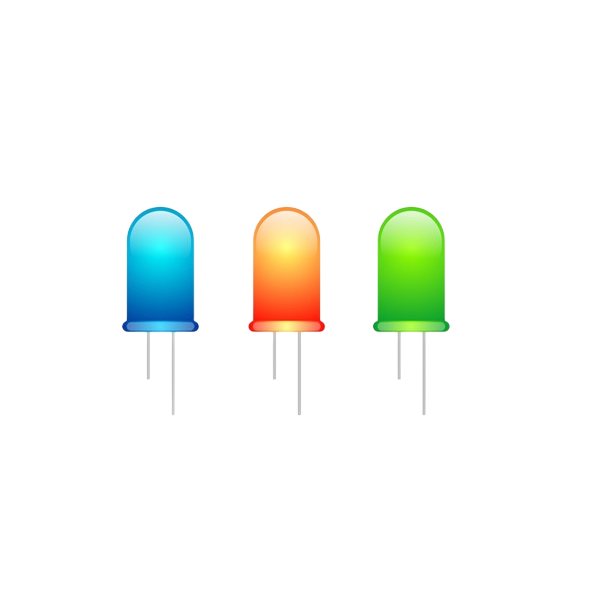
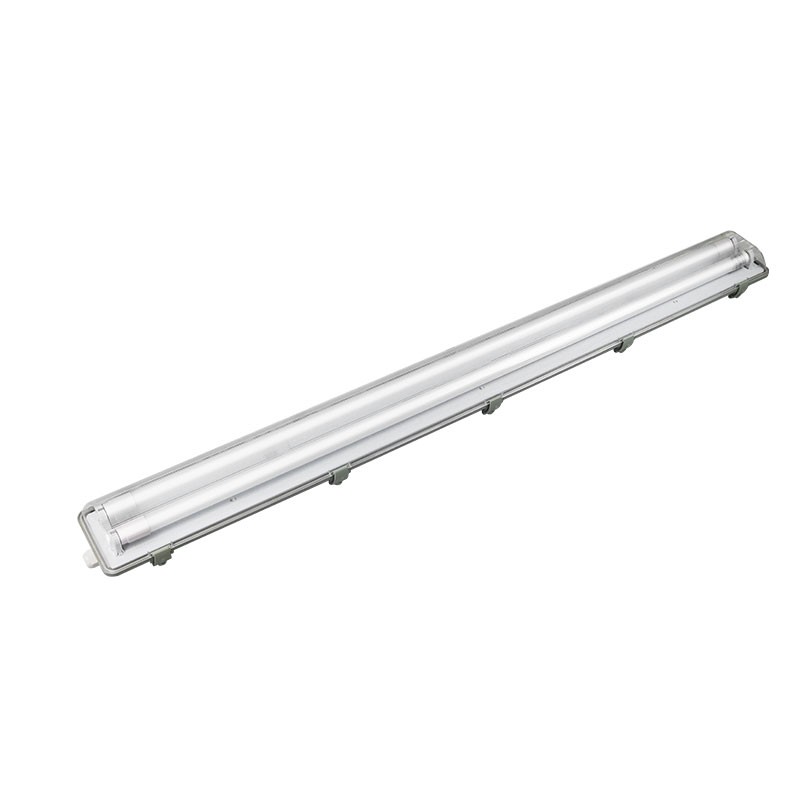
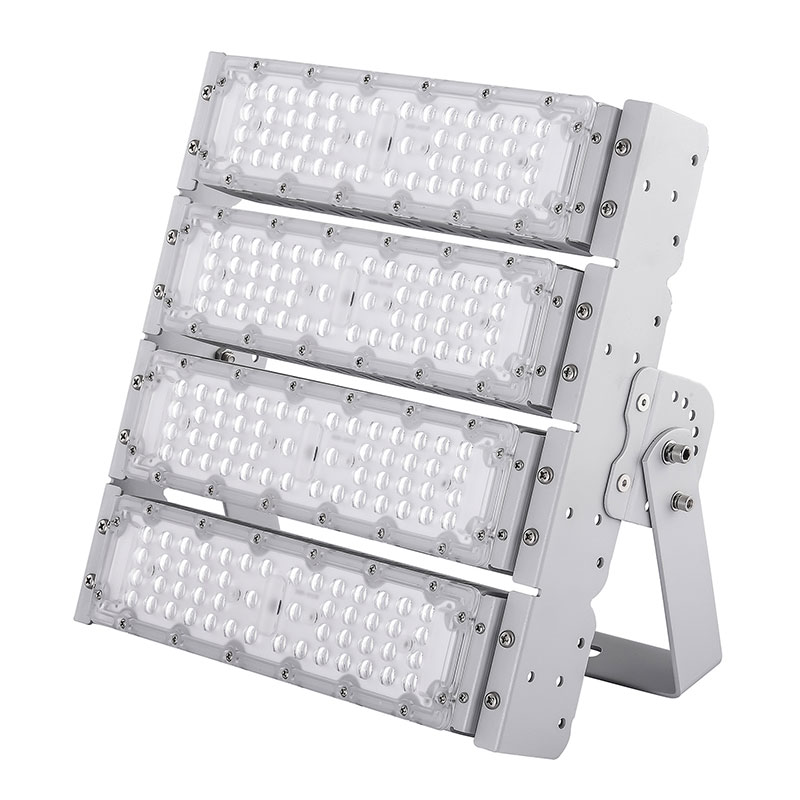
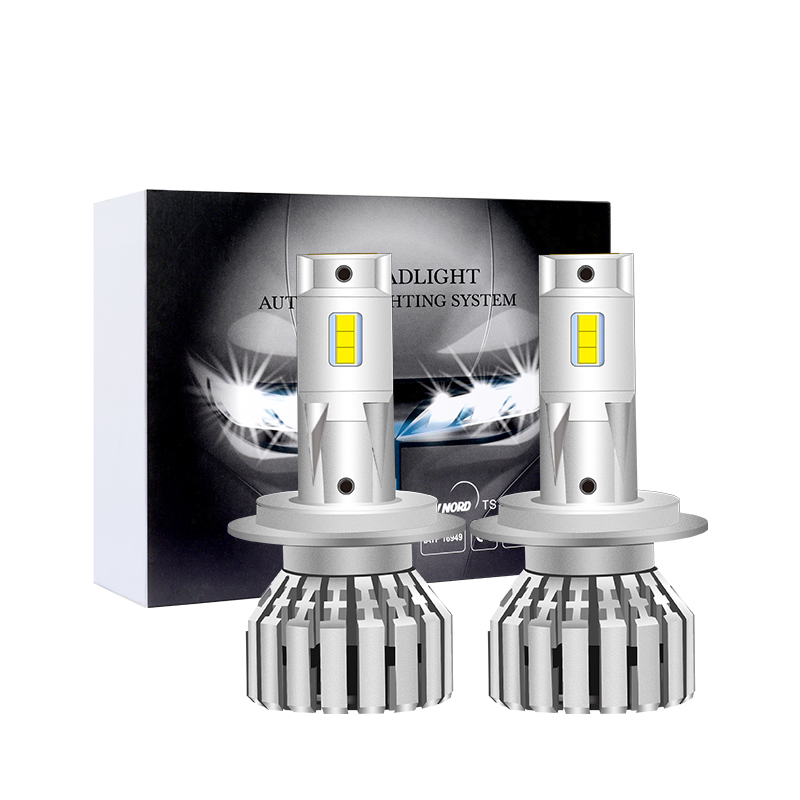
LED Lighting: LED (Light Emitting Diode) technology has revolutionized the lighting industry. LEDs are energy-efficient, durable, and come in a wide range of colors and intensities. They are now the preferred choice for both residential and commercial applications.
–
Smart Lighting: Smart lighting systems allow users to control their lights remotely via smartphones or voice assistants. These systems offer convenience, energy savings, and the ability to adjust the lighting to suit different activities and moods.
–
Chandeliers: Chandeliers are a classic lighting fixture that adds elegance and grandeur to a room. They come in various styles, from ornate crystal designs to sleek, modern metal frames.
–
Track Lighting: Track lighting systems provide flexibility and versatility, allowing multiple lights to be mounted on a single track. This type of lighting is ideal for highlighting artwork, shelves, or specific areas of a room.
Design and Aesthetics
The design and aesthetics of ceiling and lighting solutions are crucial in creating a cohesive and visually appealing space. Here are some key considerations:
–
Color and Texture: The color and texture of the ceiling can significantly impact the room’s ambiance. Lighter colors can make a space feel larger and brighter, while darker colors can add depth and drama.
–
Material: The choice of material for the ceiling can influence the room’s overall look and feel. Materials like wood, metal, and glass offer unique textures and finishes that can complement various design styles.
–
Lighting Patterns: The arrangement and intensity of lighting fixtures can create different moods and focal points. Strategic lighting design can highlight architectural features, artwork, or specific areas of interest.
Health and Safety
In addition to aesthetics and functionality, health and safety are paramount in the ceiling and lighting industry. Here are some key considerations:
–
Fire Safety: Ceilings must be fire-resistant to prevent the spread of flames in the event of a fire. Materials like mineral wool and fire-rated plasterboard are commonly used for this purpose.
–
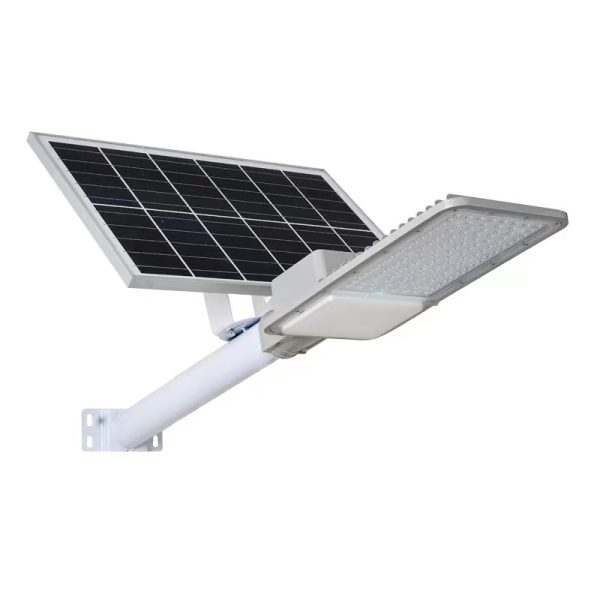
Energy Efficiency: Energy-efficient lighting solutions not only reduce utility bills but also contribute to a greener environment. LED lighting is a prime example of an energy-efficient option.
–
Accessibility: Lighting fixtures and controls should be easily accessible for maintenance and repair. This is particularly important in commercial settings where safety is a top priority.
Conclusion
The ceiling and lighting industry is a dynamic and ever-evolving sector that continues to push the boundaries of design and technology. By combining aesthetics, functionality, and health and safety considerations, ceiling and lighting solutions can transform any space into a haven of comfort and style. As the industry continues to innovate, homeowners and businesses alike can look forward to even more exciting and sustainable options in the future.
 English
 Afrikaans
 Albanian
 Amharic
 Arabic
 Armenian
 Azerbaijani
 Basque
 Belarusian
 Bengali
 Bosnian
 Bulgarian
 Catalan
 Cebuano
 Chichewa
 Corsican
 Croatian
 Czech
Czech Danish
 Dutch
Dutch Esperanto
 Estonian
 Filipino
 Finnish
 French
 Frisian
 Galician
 Georgian
 German
 Greek
Greek Gujarati
 Haitian Creole
 Hausa
Hausa Hawaiian
 Hebrew
 Hindi
Hindi Hmong
Hmong Hungarian
 Icelandic
 Igbo
Igbo Indonesian
 Irish
Irish Italian
 Japanese
 Javanese
 Kannada
 Kazakh
 Khmer
Khmer Korean
 Kurdish (Kurmanji)
 Kyrgyz
 Lao
Lao Latin
Latin Latvian
 Lithuanian
 Luxembourgish
 Macedonian
 Malagasy
 Malay
Malay Malayalam
 Maltese
 Maori
Maori Marathi
 Mongolian
 Myanmar (Burmese)
 Nepali
 Norwegian
 Pashto
 Persian
 Polish
 Portuguese
 Punjabi
 Romanian
 Russian
 Samoan
 Scottish Gaelic
 Serbian
 Sesotho
 Shona
Shona Sindhi
 Sinhala
 Slovak
 Slovenian
 Somali
 Spanish
 Sudanese
 Swahili
 Swedish
 Tajik
Tajik Tamil
Tamil Telugu
 Thai
Thai Turkish
 Ukrainian
 Urdu
Urdu Uzbek
Uzbek Vietnamese
 Welsh
Welsh Xhosa
Xhosa Yiddish
 Yoruba
 Zulu
Zulu
Explore More from Queendom Lamp
Stay updated with the latest LED technology, lighting solutions, and industry insights.
Request a Quote About Queendom