




Introduction to Solar Tracker Light Sensor
What is a Solar Tracker Light Sensor?
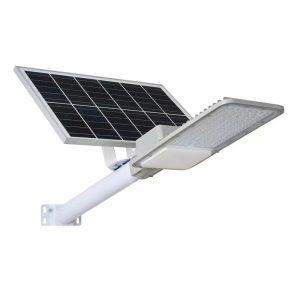
A solar tracker light sensor is a crucial component in the field of renewable energy, particularly in the design and operation of solar trackers. Solar trackers are devices that adjust the position of solar panels to maximize the amount of sunlight they receive throughout the day. The light sensor plays a pivotal role in this process by detecting the intensity and direction of sunlight, allowing the tracker to align the panels optimally. This article delves into the world of solar tracker light sensors, exploring their importance, types, and applications.
Importance of Solar Tracker Light Sensor
The primary purpose of a solar tracker light sensor is to enhance the efficiency of solar panels by ensuring they are always facing the sun. This is especially important in areas with varying sunlight conditions, as the sensor can adjust the panel’s position accordingly. By maximizing the sunlight exposure, the solar tracker light sensor helps to increase the overall energy output of the solar system. The following are some key reasons why solar tracker light sensors are essential:
1. Improved Energy Output: Solar panels produce more electricity when they are exposed to direct sunlight. The light sensor ensures that the panels are always facing the sun, thereby maximizing their energy output.
2. Increased Efficiency: By continuously adjusting the panel’s position, the light sensor helps to minimize shading and other factors that can reduce the efficiency of solar panels.
3. Reduced Maintenance Costs: Since the solar tracker light sensor optimizes the panel’s position, it reduces the need for manual adjustments, thereby lowering maintenance costs.
4. Longer Lifespan: By ensuring that the solar panels are always facing the sun, the light sensor helps to extend the lifespan of the panels, as they are less likely to be damaged by harsh weather conditions.
Types of Solar Tracker Light Sensors
There are several types of solar tracker light sensors available in the market, each with its unique features and applications. The following are some of the most common types:
1. Photovoltaic (PV) Sensors: These sensors use photovoltaic cells to detect the intensity of sunlight. When sunlight hits the cells, they generate an electrical current that is used to determine the optimal position of the solar panels.
2. Photodiode Sensors: Photodiode sensors are similar to PV sensors but are more sensitive to light changes. They are often used in low-light conditions and can detect even minor changes in sunlight intensity.
3. Phototransistor Sensors: Phototransistor sensors are designed to detect the direction of sunlight. They use a semiconductor material that changes its resistance based on the intensity and direction of light.
4. Magnetic Sensors: Magnetic sensors use a magnetic field to detect the position of the solar panels. They are often used in combination with other types of sensors to provide a more accurate tracking system.
Applications of Solar Tracker Light Sensors
Solar tracker light sensors are used in various applications, including:
1. Residential Solar Systems: Homeowners can install solar tracker light sensors to maximize the energy output of their solar panels, thereby reducing their electricity bills.
2. Commercial Solar Systems: Businesses can benefit from the increased energy output provided by solar tracker light sensors, which can lead to significant cost savings and a reduced carbon footprint.
3. Utility-Scale Solar Farms: Large-scale solar farms can use solar tracker light sensors to maximize the energy output of their solar panels, making them more efficient and cost-effective.
4. Remote Power Generation: In remote areas where access to traditional power sources is limited, solar tracker light sensors can provide a reliable and sustainable energy solution.
Challenges and Future Developments
While solar tracker light sensors have proven to be a valuable component in the renewable energy sector, there are still challenges that need to be addressed. Some of these challenges include:
1. Cost: The cost of solar tracker light sensors can be a barrier for some consumers and businesses, particularly in developing countries.
2. Weather Conditions: Solar tracker light sensors may not perform optimally in areas with frequent cloudy weather or intense sunlight, as they rely on accurate sunlight detection.
3. Durability: The durability of solar tracker light sensors is a concern, as they are exposed to harsh weather conditions and may require frequent maintenance.
In the future, advancements in technology are expected to address these challenges. Some potential developments include:
1. Cost Reduction: Innovations in manufacturing and materials could lead to a reduction in the cost of solar tracker light sensors, making them more accessible to a wider audience.
2. Improved Performance: New sensor technologies could improve the accuracy and reliability of solar tracker light sensors, even in challenging weather conditions.
3. Integration with Smart Grids: Solar tracker light sensors could be integrated with smart grids to optimize energy distribution and storage, further enhancing the efficiency of solar systems.
In conclusion, solar tracker light sensors are a vital component in the renewable energy sector, providing significant benefits to homeowners, businesses, and utility-scale solar farms. As technology continues to advance, these sensors are expected to become even more efficient, cost-effective, and reliable, contributing to the global transition towards sustainable energy sources.
 English
 Afrikaans
 Albanian
 Amharic
 Arabic
 Armenian
 Azerbaijani
 Basque
 Belarusian
 Bengali
 Bosnian
 Bulgarian
 Catalan
 Cebuano
 Chichewa
 Corsican
 Croatian
 Czech
Czech Danish
 Dutch
Dutch Esperanto
 Estonian
 Filipino
 Finnish
 French
 Frisian
 Galician
 Georgian
 German
 Greek
Greek Gujarati
 Haitian Creole
 Hausa
Hausa Hawaiian
 Hebrew
 Hindi
Hindi Hmong
Hmong Hungarian
 Icelandic
 Igbo
Igbo Indonesian
 Irish
Irish Italian
 Japanese
 Javanese
 Kannada
 Kazakh
 Khmer
Khmer Korean
 Kurdish (Kurmanji)
 Kyrgyz
 Lao
Lao Latin
Latin Latvian
 Lithuanian
 Luxembourgish
 Macedonian
 Malagasy
 Malay
Malay Malayalam
 Maltese
 Maori
Maori Marathi
 Mongolian
 Myanmar (Burmese)
 Nepali
 Norwegian
 Pashto
 Persian
 Polish
 Portuguese
 Punjabi
 Romanian
 Russian
 Samoan
 Scottish Gaelic
 Serbian
 Sesotho
 Shona
Shona Sindhi
 Sinhala
 Slovak
 Slovenian
 Somali
 Spanish
 Sudanese
 Swahili
 Swedish
 Tajik
Tajik Tamil
Tamil Telugu
 Thai
Thai Turkish
 Ukrainian
 Urdu
Urdu Uzbek
Uzbek Vietnamese
 Welsh
Welsh Xhosa
Xhosa Yiddish
 Yoruba
 Zulu
Zulu
Explore More from Queendom Lamp
Stay updated with the latest LED technology, lighting solutions, and industry insights.
Request a Quote About Queendom