

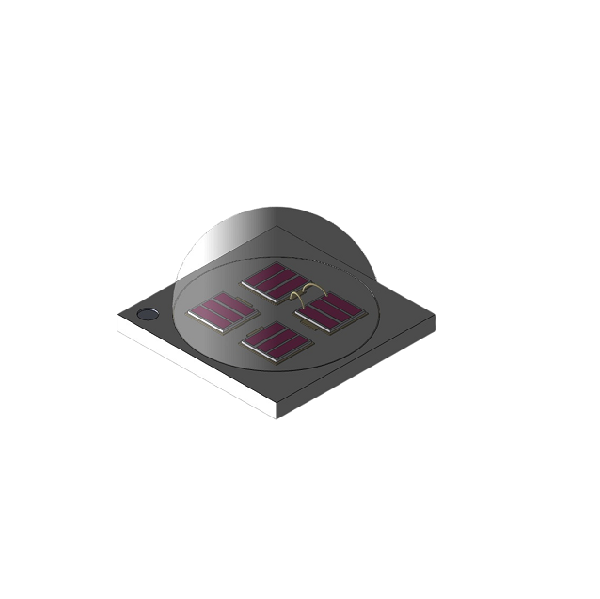
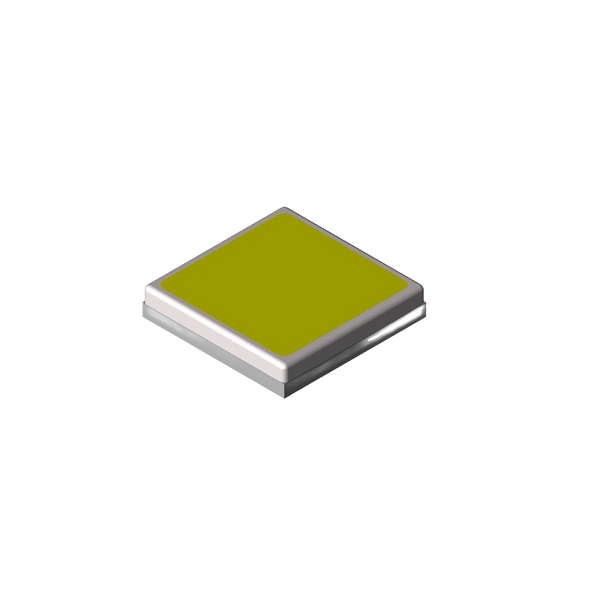

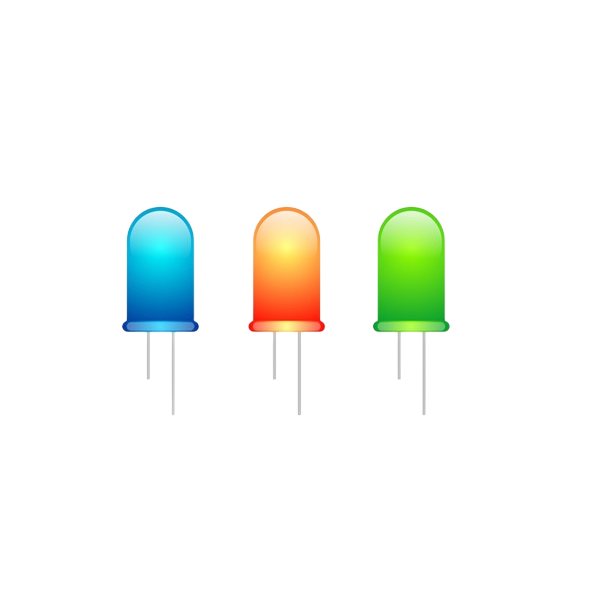
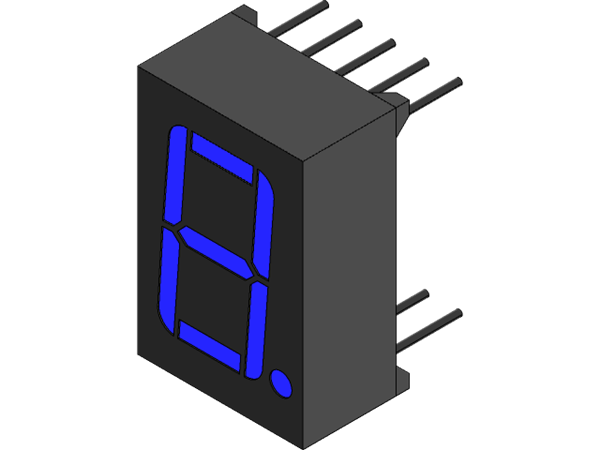
LED motion sensor chips have become an integral part of modern smart home and industrial automation systems. These tiny electronic devices detect motion and trigger various actions, from turning on lights to initiating security alerts. In this comprehensive guide, we will delve into the world of LED motion sensor chips, exploring their functionality, applications, and the latest advancements in this technology.
Understanding LED Motion Sensor Chips
LED motion sensor chips are specialized electronic components designed to detect motion in their vicinity. They work by emitting light and then measuring the reflection of that light off nearby objects. When the light reflects back to the sensor, it detects changes in the pattern, indicating the presence of motion. This technology is based on the principle of photoelectric effect, where the movement of electrons in a semiconductor material is influenced by light.
How LED Motion Sensor Chips Work
The operation of LED motion sensor chips involves several key components:
1. LED Emitter: The sensor emits light, typically in the infrared (IR) spectrum, which is invisible to the human eye.
2. Photoelectric Sensor: This component detects the reflected light from objects in the sensor’s field of view.
3. Signal Processor: The processor analyzes the signal from the photoelectric sensor to determine if motion has been detected.
4. Output Driver: When motion is detected, the output driver sends a signal to the connected device, such as a light or an alarm system.
The sensor can be adjusted to detect motion in a specific direction or over a certain distance, making it versatile for various applications.
Applications of LED Motion Sensor Chips
LED motion sensor chips find applications in a wide range of industries and everyday scenarios:
1. Smart Homes: Motion sensors are commonly used in smart homes to automate lighting, heating, and cooling systems based on occupancy.
2. Security Systems: Motion sensors can trigger alarms or alert security personnel when movement is detected in unauthorized areas.
3. Industrial Automation: In manufacturing and industrial settings, motion sensors are used for inventory tracking, quality control, and process automation.
4. Automotive Industry: Motion sensors are employed in modern vehicles for adaptive lighting, parking assistance, and driver monitoring systems.
5. Healthcare: Motion sensors can be used in medical devices to monitor patient movement and provide feedback or alerts.
Types of LED Motion Sensor Chips
There are several types of LED motion sensor chips available, each with its unique features and applications:
1. Passive Infrared (PIR) Sensors: These sensors detect changes in infrared radiation, making them ideal for detecting motion without the need for line-of-sight.
2. Ultrasonic Sensors: Using sound waves, these sensors can detect motion at greater distances and are less susceptible to interference from ambient light.
3. Vibration Sensors: These sensors detect motion through vibrations and are often used in seismic monitoring or industrial machinery monitoring.
4. Dual Technology Sensors: Combining two or more detection methods, these sensors offer enhanced accuracy and reliability.
Advancements in LED Motion Sensor Technology
The field of LED motion sensor technology is continually evolving, with several recent advancements:
1. Energy Efficiency: Newer sensors are designed to be more energy-efficient, consuming less power and extending battery life in portable devices.
2. Miniaturization: Advances in semiconductor technology have led to the development of smaller, more compact motion sensor chips, suitable for integration into even the smallest devices.
3. Enhanced Sensitivity: Improved sensor design and materials have resulted in sensors that are more sensitive to motion, with better detection accuracy and lower false positives.
4. Smart Integration: Motion sensors are increasingly being integrated with other smart technologies, such as Wi-Fi or Bluetooth, to enable remote monitoring and control.
Choosing the Right LED Motion Sensor Chip
When selecting an LED motion sensor chip for a specific application, several factors should be considered:
1. Detection Range: The sensor’s ability to detect motion over a certain distance is crucial, especially in large areas or for outdoor use.
2. Field of View: The angle at which the sensor detects motion is important for ensuring comprehensive coverage.
3. Response Time: The time it takes for the sensor to detect motion and trigger an action should be minimal to prevent delays.
4. Environmental Conditions: The sensor should be suitable for the intended environment, with considerations for temperature, humidity, and exposure to sunlight or other forms of radiation.
Conclusion
LED motion sensor chips have revolutionized the way we interact with our surroundings, offering convenience, efficiency, and enhanced security. As technology continues to advance, we can expect even more sophisticated and innovative applications of these versatile sensors. Whether in smart homes, industrial settings, or automotive applications, LED motion sensor chips are poised to play a pivotal role in shaping the future of smart systems.
 English
 Afrikaans
 Albanian
 Amharic
 Arabic
 Armenian
 Azerbaijani
 Basque
 Belarusian
 Bengali
 Bosnian
 Bulgarian
 Catalan
 Cebuano
 Chichewa
 Corsican
 Croatian
 Czech
Czech Danish
 Dutch
Dutch Esperanto
 Estonian
 Filipino
 Finnish
 French
 Frisian
 Galician
 Georgian
 German
 Greek
Greek Gujarati
 Haitian Creole
 Hausa
Hausa Hawaiian
 Hebrew
 Hindi
Hindi Hmong
Hmong Hungarian
 Icelandic
 Igbo
Igbo Indonesian
 Irish
Irish Italian
 Japanese
 Javanese
 Kannada
 Kazakh
 Khmer
Khmer Korean
 Kurdish (Kurmanji)
 Kyrgyz
 Lao
Lao Latin
Latin Latvian
 Lithuanian
 Luxembourgish
 Macedonian
 Malagasy
 Malay
Malay Malayalam
 Maltese
 Maori
Maori Marathi
 Mongolian
 Myanmar (Burmese)
 Nepali
 Norwegian
 Pashto
 Persian
 Polish
 Portuguese
 Punjabi
 Romanian
 Russian
 Samoan
 Scottish Gaelic
 Serbian
 Sesotho
 Shona
Shona Sindhi
 Sinhala
 Slovak
 Slovenian
 Somali
 Spanish
 Sudanese
 Swahili
 Swedish
 Tajik
Tajik Tamil
Tamil Telugu
 Thai
Thai Turkish
 Ukrainian
 Urdu
Urdu Uzbek
Uzbek Vietnamese
 Welsh
Welsh Xhosa
Xhosa Yiddish
 Yoruba
 Zulu
Zulu
Explore More from Queendom Lamp
Stay updated with the latest LED technology, lighting solutions, and industry insights.
Request a Quote About Queendom