








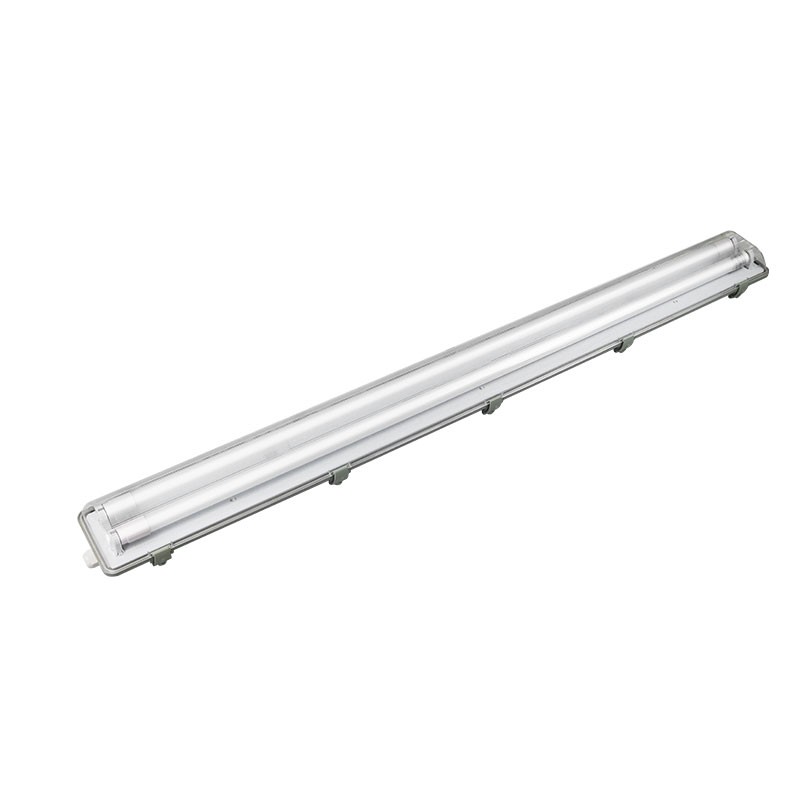
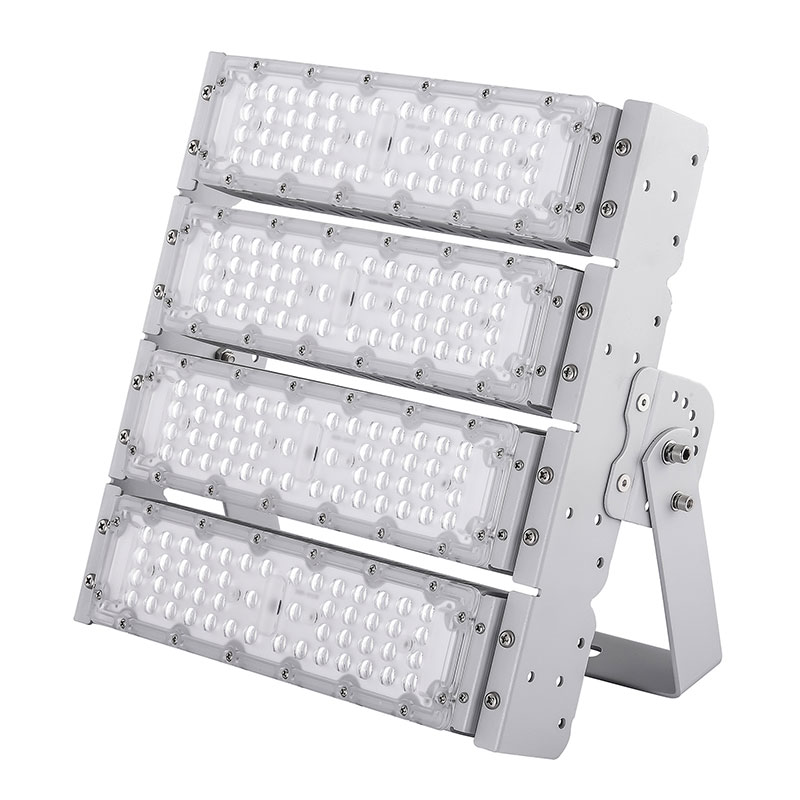


Introduction to Purple Excitation Lamp
What is a Purple Excitation Lamp?
The purple excitation lamp, also known as a purple light lamp or a UV excitation lamp, is a specialized light source that emits light predominantly in the purple or ultraviolet (UV) region of the electromagnetic spectrum. These lamps are widely used in various scientific and industrial applications due to their unique properties and capabilities. Unlike traditional white light sources, purple excitation lamps provide a concentrated beam of light that is rich in UV radiation, which is essential for certain chemical, biological, and optical processes.
Applications of Purple Excitation Lamps
The applications of purple excitation lamps span across multiple industries, including scientific research, material analysis, medical diagnostics, and environmental monitoring. Here are some of the key areas where these lamps are utilized:
1. Scientific Research: In the field of scientific research, purple excitation lamps are crucial for fluorescence microscopy, where they enable the visualization of specific molecules and cellular structures that emit light when excited by UV radiation. This technique is widely used in biology, chemistry, and material science to study the structure and function of various compounds and materials.
2. Material Analysis: Purple excitation lamps are employed in material analysis for identifying and characterizing substances. The unique properties of UV light allow for the detection of certain chemical compounds that may not be visible under white light. This is particularly useful in quality control, forensics, and environmental testing.
3. Medical Diagnostics: In the medical field, purple excitation lamps are used in dermatology for diagnosing skin conditions. The lamps help in identifying skin abnormalities that may not be visible under normal lighting conditions, aiding in early detection and treatment of diseases like melanoma.
4. Environmental Monitoring: Purple excitation lamps are also used in environmental monitoring to detect pollutants and contaminants in water, air, and soil. The UV radiation can break down certain molecules, making them more visible or measurable, thus providing valuable data for environmental health assessments.
Working Principle of Purple Excitation Lamps
Purple excitation lamps operate on the principle of emitting light at specific wavelengths within the UV range. The lamps are typically designed to produce a narrow band of light, which is ideal for excitation purposes. Here’s a brief overview of how these lamps work:
1. Lamp Design: Purple excitation lamps are designed to produce light by passing an electric current through a gas mixture, which includes mercury vapor. When the current is applied, the gas atoms become excited and emit UV radiation.
2. Filtering: To achieve the desired purple or UV light output, the lamp is equipped with a filter that selectively transmits light in the purple or UV range. This filtering process ensures that the lamp emits light that is rich in the required wavelength range for specific applications.
3. Optimization: The lamp’s design is optimized to maximize the intensity and purity of the UV light output. This involves using high-quality materials and advanced manufacturing techniques to ensure the lamp’s performance meets the stringent requirements of its applications.
Types of Purple Excitation Lamps
There are several types of purple excitation lamps available, each with its own set of characteristics and applications. Some of the most common types include:
1. Mercury Vapor Lamps: These lamps are the most widely used and are known for their high UV output and long lifespan. They are suitable for a wide range of applications, including fluorescence microscopy and material analysis.
2. Deuterium Arc Lamps: Deuterium lamps are preferred for their broad-spectrum UV output, which is particularly useful for applications requiring a wide range of UV wavelengths, such as solar simulation.
3. LED-based Lamps: With advancements in LED technology, LED-based purple excitation lamps have become increasingly popular. These lamps offer a compact, energy-efficient alternative to traditional mercury vapor lamps, with a longer lifespan and lower operating costs.
Challenges and Considerations
While purple excitation lamps offer numerous benefits, there are also challenges and considerations associated with their use:
1. Safety: UV radiation can be harmful to the eyes and skin, so proper safety measures must be in place when using purple excitation lamps. This includes the use of protective eyewear and skin coverage, as well as ensuring that the lamps are used in a well-ventilated area.
2. Calibration: To ensure accurate and reliable results, purple excitation lamps must be regularly calibrated. This involves verifying the lamp’s output and adjusting it as necessary to maintain optimal performance.
3. Environmental Impact: The disposal of purple excitation lamps can be environmentally challenging, as they contain mercury and other hazardous materials. Proper recycling and disposal procedures are essential to minimize environmental impact.
Conclusion
Purple excitation lamps play a vital role in a wide range of scientific and industrial applications. Their ability to emit light in the UV range makes them indispensable for fluorescence microscopy, material analysis, medical diagnostics, and environmental monitoring. As technology continues to advance, the development of more efficient and safer purple excitation lamps will likely lead to even greater adoption of these versatile light sources in various fields.
 English
 Afrikaans
 Albanian
 Amharic
 Arabic
 Armenian
 Azerbaijani
 Basque
 Belarusian
 Bengali
 Bosnian
 Bulgarian
 Catalan
 Cebuano
 Chichewa
 Corsican
 Croatian
 Czech
Czech Danish
 Dutch
Dutch Esperanto
 Estonian
 Filipino
 Finnish
 French
 Frisian
 Galician
 Georgian
 German
 Greek
Greek Gujarati
 Haitian Creole
 Hausa
Hausa Hawaiian
 Hebrew
 Hindi
Hindi Hmong
Hmong Hungarian
 Icelandic
 Igbo
Igbo Indonesian
 Irish
Irish Italian
 Japanese
 Javanese
 Kannada
 Kazakh
 Khmer
Khmer Korean
 Kurdish (Kurmanji)
 Kyrgyz
 Lao
Lao Latin
Latin Latvian
 Lithuanian
 Luxembourgish
 Macedonian
 Malagasy
 Malay
Malay Malayalam
 Maltese
 Maori
Maori Marathi
 Mongolian
 Myanmar (Burmese)
 Nepali
 Norwegian
 Pashto
 Persian
 Polish
 Portuguese
 Punjabi
 Romanian
 Russian
 Samoan
 Scottish Gaelic
 Serbian
 Sesotho
 Shona
Shona Sindhi
 Sinhala
 Slovak
 Slovenian
 Somali
 Spanish
 Sudanese
 Swahili
 Swedish
 Tajik
Tajik Tamil
Tamil Telugu
 Thai
Thai Turkish
 Ukrainian
 Urdu
Urdu Uzbek
Uzbek Vietnamese
 Welsh
Welsh Xhosa
Xhosa Yiddish
 Yoruba
 Zulu
Zulu
Explore More from Queendom Lamp
Stay updated with the latest LED technology, lighting solutions, and industry insights.
Request a Quote About Queendom