

UVC LED lamps have become increasingly popular in recent years due to their numerous applications and benefits. These lamps emit ultraviolet-C (UVC) light, which has been proven to be effective in sterilization, disinfection, and air purification. This article aims to provide an in-depth introduction to the UVC LED lamp industry, covering its history, technology, applications, and future prospects.
History of UVC LED Lamps
The concept of using ultraviolet light for sterilization dates back to the early 20th century. However, it was not until the late 1990s that UVC LED technology began to emerge. The development of UVC LED lamps was primarily driven by the need for a more energy-efficient and cost-effective alternative to traditional mercury lamps. In the early 2000s, UVC LED lamps started to gain attention in the medical, water purification, and air purification industries.
Technology of UVC LED Lamps
UVC LED lamps are based on the principle of emitting UVC light through semiconductor materials. The most commonly used semiconductor materials for UVC LED lamps are gallium nitride (GaN), silicon carbide (SiC), and zinc selenide (ZnSe). These materials have high UVC emission efficiency and can produce a narrow bandwidth of UVC light, which is more effective in sterilization and disinfection.
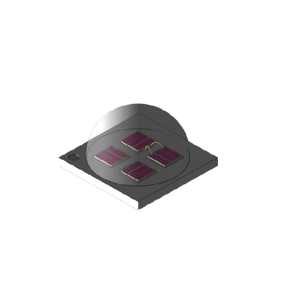
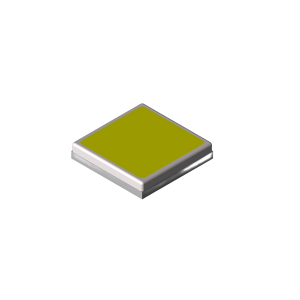
The UVC LED lamp structure typically consists of a semiconductor chip, a lens, and a heat sink. The semiconductor chip emits UVC light, which is then focused by the lens to create a concentrated beam. The heat sink dissipates the heat generated by the LED chip, ensuring the lamp’s long-term stability and reliability.
Applications of UVC LED Lamps
UVC LED lamps have a wide range of applications, including:
1. Medical Equipment Sterilization: UVC LED lamps are used to sterilize medical equipment, such as surgical instruments, endoscopes, and ventilators. This helps to reduce the risk of hospital-acquired infections and improve patient safety.
2. Water Purification: UVC LED lamps can be used to disinfect water in residential, commercial, and industrial settings. They are effective in eliminating pathogens, such as bacteria, viruses, and protozoa, from water sources.
3. Air Purification: UVC LED lamps can be integrated into air purifiers to sterilize the air in indoor environments. This is particularly beneficial in hospitals, schools, and offices, where maintaining a clean and healthy indoor air quality is crucial.
4. Surface Disinfection: UVC LED lamps can be used to disinfect surfaces in various settings, such as healthcare facilities, food processing plants, and laboratories. They are effective in eliminating pathogens on surfaces, reducing the risk of cross-contamination.
5. Agriculture: UVC LED lamps can be used to control pests and diseases in agricultural settings. They are effective in sterilizing seeds, fruits, and vegetables, ensuring a healthier and safer food supply.
Market and Industry Analysis
The UVC LED lamp market has been growing rapidly in recent years, driven by the increasing awareness of the importance of sterilization and disinfection. According to a report by MarketsandMarkets, the UVC LED lamp market is expected to reach USD 5.3 billion by 2025, with a CAGR of 21.5% from 2020 to 2025.
The market is segmented by application, end-user, and region. The medical equipment sterilization segment is expected to be the largest market, followed by water purification and air purification. In terms of end-users, healthcare facilities, residential, and commercial applications are the major segments.
Asia Pacific is expected to be the fastest-growing region in the UVC LED lamp market, driven by the increasing demand for sterilization and disinfection solutions in countries like China, India, and Japan.
Challenges and Opportunities
Despite the rapid growth of the UVC LED lamp industry, there are several challenges that need to be addressed:
1. Cost: UVC LED lamps are still relatively expensive compared to traditional mercury lamps. Reducing the cost of UVC LED lamps is crucial for wider adoption in various applications.
2. Durability: The long-term stability and durability of UVC LED lamps are essential for ensuring their effectiveness in sterilization and disinfection. Improving the lifespan of UVC LED lamps is a key area of research and development.
3. Regulatory Standards: Establishing global regulatory standards for UVC LED lamps is important for ensuring their safety and efficacy in various applications.
However, there are also numerous opportunities in the UVC LED lamp industry:
1. Innovation: Continuous innovation in UVC LED lamp technology, such as the development of new materials and structures, can lead to more efficient and cost-effective lamps.
2. Expansion into New Markets: The UVC LED lamp industry has the potential to expand into new markets, such as consumer electronics and transportation, where sterilization and disinfection solutions are increasingly important.
3. Partnerships and Collaborations: Forming partnerships and collaborations with other industries, such as healthcare, water purification, and air purification, can help to accelerate the adoption of UVC LED lamps.
Conclusion
UVC LED lamps have emerged as a powerful tool for sterilization, disinfection, and air purification. With their numerous applications and benefits, the UVC LED lamp industry is expected to continue growing at a rapid pace. By addressing the challenges and capitalizing on the opportunities, the UVC LED lamp industry can play a crucial role in improving public health and safety worldwide.
 English
 Afrikaans
 Albanian
 Amharic
 Arabic
 Armenian
 Azerbaijani
 Basque
 Belarusian
 Bengali
 Bosnian
 Bulgarian
 Catalan
 Cebuano
 Chichewa
 Corsican
 Croatian
 Czech
Czech Danish
 Dutch
Dutch Esperanto
 Estonian
 Filipino
 Finnish
 French
 Frisian
 Galician
 Georgian
 German
 Greek
Greek Gujarati
 Haitian Creole
 Hausa
Hausa Hawaiian
 Hebrew
 Hindi
Hindi Hmong
Hmong Hungarian
 Icelandic
 Igbo
Igbo Indonesian
 Irish
Irish Italian
 Japanese
 Javanese
 Kannada
 Kazakh
 Khmer
Khmer Korean
 Kurdish (Kurmanji)
 Kyrgyz
 Lao
Lao Latin
Latin Latvian
 Lithuanian
 Luxembourgish
 Macedonian
 Malagasy
 Malay
Malay Malayalam
 Maltese
 Maori
Maori Marathi
 Mongolian
 Myanmar (Burmese)
 Nepali
 Norwegian
 Pashto
 Persian
 Polish
 Portuguese
 Punjabi
 Romanian
 Russian
 Samoan
 Scottish Gaelic
 Serbian
 Sesotho
 Shona
Shona Sindhi
 Sinhala
 Slovak
 Slovenian
 Somali
 Spanish
 Sudanese
 Swahili
 Swedish
 Tajik
Tajik Tamil
Tamil Telugu
 Thai
Thai Turkish
 Ukrainian
 Urdu
Urdu Uzbek
Uzbek Vietnamese
 Welsh
Welsh Xhosa
Xhosa Yiddish
 Yoruba
 Zulu
Zulu
Explore More from Queendom Lamp
Stay updated with the latest LED technology, lighting solutions, and industry insights.
Request a Quote About Queendom