

UV LED sterilization lamp bead, a cutting-edge technology in the field of sterilization, has gained significant attention in recent years due to its high efficiency, low energy consumption, and environmental friendliness. This article aims to provide a comprehensive introduction to the UV LED sterilization lamp bead industry, covering its history, technology, applications, market trends, and future prospects.
History and Development of UV LED Sterilization Lamp Bead
The concept of UV sterilization has been around for over a century, with early applications including water purification and medical equipment sterilization. However, traditional UV lamps, which used mercury vapor, had several drawbacks, such as high energy consumption, high mercury content, and limited lifespan. The advent of UV LED technology revolutionized the industry, offering a more efficient and eco-friendly alternative.
The first UV LED sterilization lamp bead was developed in the late 1990s, and since then, the technology has seen rapid advancements. Today, UV LED sterilization lamp beads are widely used in various industries, including healthcare, food and beverage, water treatment, and air purification.
Technology of UV LED Sterilization Lamp Bead
UV LED sterilization lamp beads operate on the principle of emitting UV-C light, which has a wavelength between 200 and 280 nanometers. This specific wavelength is highly effective in destroying the DNA and RNA of microorganisms, rendering them unable to reproduce and causing them to die.
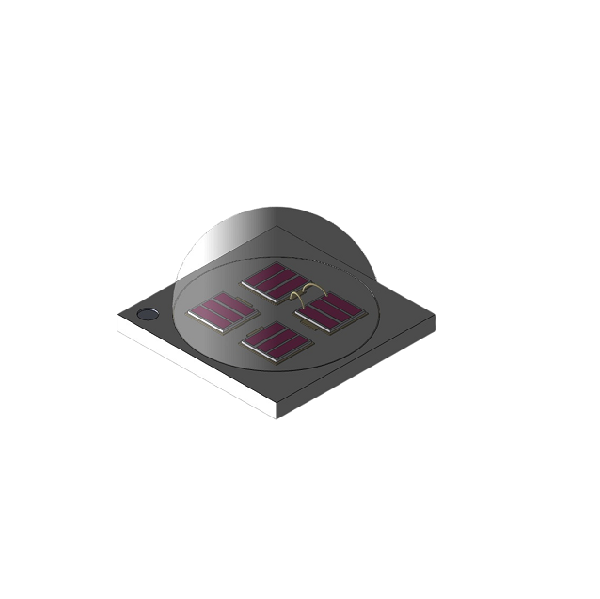
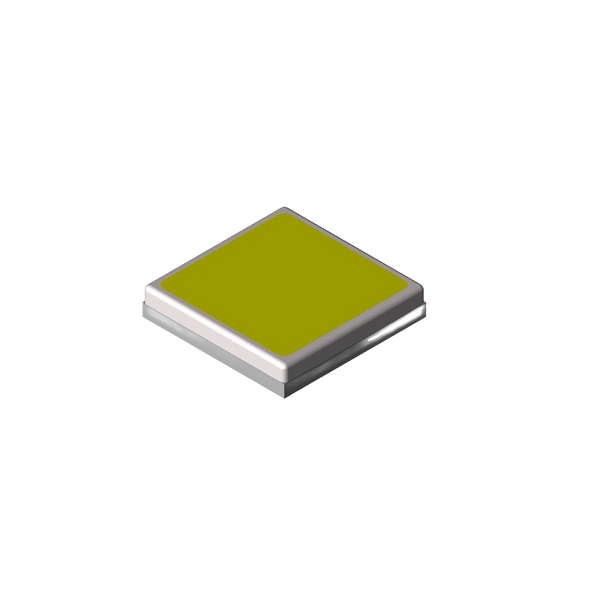
The technology involves the use of a semiconductor material, typically gallium nitride (GaN), which emits UV-C light when an electric current is applied. The lamp bead is typically encapsulated in a clear, UV-transparent material to ensure maximum light output and efficiency.
Applications of UV LED Sterilization Lamp Bead
UV LED sterilization lamp beads find applications in a wide range of industries:
1. Healthcare: In hospitals and clinics, UV LED sterilization is used to disinfect medical equipment, surgical instruments, and patient rooms, reducing the risk of hospital-acquired infections.
2. Food and Beverage: UV LED sterilization is employed in food processing facilities to sanitize packaging materials, equipment, and water sources, ensuring food safety and extending shelf life.
3. Water Treatment: UV LED technology is used in water purification systems to eliminate pathogens, such as bacteria and viruses, from drinking water supplies.
4. Air Purification: UV LED sterilization is integrated into air purifiers to eliminate airborne contaminants, improving indoor air quality.
5. Industrial Applications: UV LED sterilization is used in the pharmaceutical, cosmetic, and biotechnology industries to sanitize equipment and products.
Market Trends
The UV LED sterilization lamp bead market has been experiencing steady growth, driven by increasing awareness of the importance of hygiene and the need for efficient and sustainable sterilization solutions. Some key market trends include:
1. Demand for Energy-Efficient Solutions: As energy costs continue to rise, there is a growing demand for energy-efficient sterilization technologies like UV LED.
2. Rising Health Concerns: The increasing incidence of infectious diseases and the rise of antibiotic-resistant bacteria have led to a heightened focus on effective sterilization methods.
3. Government Regulations: Many countries are implementing stricter regulations regarding food safety and water quality, which is driving the adoption of UV LED sterilization technologies.
4. Technological Advancements: Continuous improvements in UV LED technology, such as higher light output and longer lifespan, are making the technology more attractive to consumers and businesses.
Future Prospects
The future of the UV LED sterilization lamp bead industry looks promising, with several potential developments on the horizon:
1. Miniaturization: Advances in LED technology may lead to the development of even smaller and more efficient UV LED sterilization lamp beads, expanding their applications.
2. Customization: The ability to tailor UV LED sterilization solutions to specific applications may open up new markets and opportunities.
3. Integration: UV LED sterilization may be integrated into a wider range of products and systems, further enhancing its utility.
4. Research and Development: Ongoing research into new materials and designs could lead to even more efficient and cost-effective UV LED sterilization solutions.
In conclusion, the UV LED sterilization lamp bead industry is poised for continued growth, driven by its efficiency, environmental benefits, and expanding applications. As the world becomes increasingly aware of the importance of sterilization, UV LED technology is likely to play a crucial role in shaping the future of hygiene and public health.
 English
 Afrikaans
 Albanian
 Amharic
 Arabic
 Armenian
 Azerbaijani
 Basque
 Belarusian
 Bengali
 Bosnian
 Bulgarian
 Catalan
 Cebuano
 Chichewa
 Corsican
 Croatian
 Czech
Czech Danish
 Dutch
Dutch Esperanto
 Estonian
 Filipino
 Finnish
 French
 Frisian
 Galician
 Georgian
 German
 Greek
Greek Gujarati
 Haitian Creole
 Hausa
Hausa Hawaiian
 Hebrew
 Hindi
Hindi Hmong
Hmong Hungarian
 Icelandic
 Igbo
Igbo Indonesian
 Irish
Irish Italian
 Japanese
 Javanese
 Kannada
 Kazakh
 Khmer
Khmer Korean
 Kurdish (Kurmanji)
 Kyrgyz
 Lao
Lao Latin
Latin Latvian
 Lithuanian
 Luxembourgish
 Macedonian
 Malagasy
 Malay
Malay Malayalam
 Maltese
 Maori
Maori Marathi
 Mongolian
 Myanmar (Burmese)
 Nepali
 Norwegian
 Pashto
 Persian
 Polish
 Portuguese
 Punjabi
 Romanian
 Russian
 Samoan
 Scottish Gaelic
 Serbian
 Sesotho
 Shona
Shona Sindhi
 Sinhala
 Slovak
 Slovenian
 Somali
 Spanish
 Sudanese
 Swahili
 Swedish
 Tajik
Tajik Tamil
Tamil Telugu
 Thai
Thai Turkish
 Ukrainian
 Urdu
Urdu Uzbek
Uzbek Vietnamese
 Welsh
Welsh Xhosa
Xhosa Yiddish
 Yoruba
 Zulu
Zulu
Explore More from Queendom Lamp
Stay updated with the latest LED technology, lighting solutions, and industry insights.
Request a Quote About Queendom