



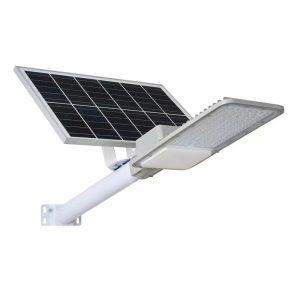
Emergency ceiling lamps are an essential component of any disaster preparedness plan, providing immediate illumination during power outages or emergency situations. These lamps are designed to be mounted on ceilings and offer a reliable source of light when traditional electrical systems fail. This article delves into the world of emergency ceiling lamps, exploring their types, features, benefits, and the industries that rely on them.
Introduction to Emergency Ceiling Lamps
Emergency ceiling lamps are specialized lighting fixtures that are designed to be used during times of crisis. They are typically equipped with long-lasting batteries or alternative power sources, such as solar panels or generators, to ensure that they can operate without the need for a continuous electrical supply. These lamps are commonly found in homes, offices, schools, hospitals, and other public buildings, where they serve as a critical safety feature.
Types of Emergency Ceiling Lamps
There are several types of emergency ceiling lamps available, each with its own set of features and benefits. Here are some of the most common types:
1. Battery-Powered Emergency Ceiling Lamps: These lamps are powered by rechargeable batteries and can provide light for several hours or even days, depending on the battery capacity and the lamp’s energy efficiency.
2. Solar-Powered Emergency Ceiling Lamps: Solar-powered lamps use solar panels to charge their internal batteries during the day, making them an environmentally friendly and sustainable option. They can operate for extended periods without the need for additional power sources.
3. Hybrid Emergency Ceiling Lamps: Hybrid lamps combine the benefits of both battery and solar power, allowing them to operate using either source. This dual-energy approach ensures that the lamps remain operational even when the sun is not shining or when the battery charge is low.
4. Generator-Powered Emergency Ceiling Lamps: In some cases, emergency ceiling lamps can be connected to generators for continuous power supply, making them ideal for long-term power outages or during natural disasters.
Features of Emergency Ceiling Lamps
Emergency ceiling lamps come with a variety of features that enhance their functionality and usability. Some of the key features include:
– Long Battery Life: Many emergency ceiling lamps are designed to provide light for at least 24 hours on a single charge, with some models offering up to 72 hours or more.
– Multiple Light Settings: Lamps often have adjustable brightness settings, allowing users to choose between a bright floodlight or a softer, more ambient glow.
– Motion Sensors: Some models are equipped with motion sensors that automatically turn on the lamp when movement is detected, saving energy and providing immediate illumination.
– Durability: Emergency ceiling lamps are typically built to withstand harsh conditions, including impact, moisture, and extreme temperatures.
– Ease of Installation: Most emergency ceiling lamps are designed for easy installation, often requiring only a simple mounting bracket.
Benefits of Using Emergency Ceiling Lamps
The use of emergency ceiling lamps offers several significant benefits:
– Safety: In the event of a power outage, emergency ceiling lamps provide a safe and reliable source of light, reducing the risk of accidents and injuries.
– Security: Adequate lighting can deter intruders and help maintain a sense of security during emergencies.
– Convenience: With their long battery life and multiple light settings, emergency ceiling lamps offer convenience and flexibility in various situations.
– Sustainability: Solar-powered and hybrid emergency ceiling lamps contribute to environmental sustainability by reducing reliance on traditional energy sources.
Industries That Rely on Emergency Ceiling Lamps
Emergency ceiling lamps are essential in a wide range of industries, including:
– Healthcare: Hospitals and clinics rely on emergency ceiling lamps to ensure patient safety and staff visibility during power outages.
– Education: Schools and universities use these lamps to maintain a safe learning environment during emergencies.
– Commercial Buildings: Offices, retail stores, and other commercial spaces use emergency ceiling lamps to comply with safety regulations and ensure business continuity.
– Residential Properties: Homeowners install emergency ceiling lamps to protect their families and property during power outages.
– Public Infrastructure: Emergency ceiling lamps are often installed in public buildings, transportation hubs, and outdoor areas to provide illumination during emergencies.
Conclusion
Emergency ceiling lamps play a crucial role in ensuring safety and preparedness during power outages and emergency situations. With their various types, features, and benefits, these lamps are an indispensable part of modern disaster response and preparedness strategies. As technology continues to advance, we can expect to see even more innovative and efficient emergency lighting solutions in the future.
 English
 Afrikaans
 Albanian
 Amharic
 Arabic
 Armenian
 Azerbaijani
 Basque
 Belarusian
 Bengali
 Bosnian
 Bulgarian
 Catalan
 Cebuano
 Chichewa
 Corsican
 Croatian
 Czech
Czech Danish
 Dutch
Dutch Esperanto
 Estonian
 Filipino
 Finnish
 French
 Frisian
 Galician
 Georgian
 German
 Greek
Greek Gujarati
 Haitian Creole
 Hausa
Hausa Hawaiian
 Hebrew
 Hindi
Hindi Hmong
Hmong Hungarian
 Icelandic
 Igbo
Igbo Indonesian
 Irish
Irish Italian
 Japanese
 Javanese
 Kannada
 Kazakh
 Khmer
Khmer Korean
 Kurdish (Kurmanji)
 Kyrgyz
 Lao
Lao Latin
Latin Latvian
 Lithuanian
 Luxembourgish
 Macedonian
 Malagasy
 Malay
Malay Malayalam
 Maltese
 Maori
Maori Marathi
 Mongolian
 Myanmar (Burmese)
 Nepali
 Norwegian
 Pashto
 Persian
 Polish
 Portuguese
 Punjabi
 Romanian
 Russian
 Samoan
 Scottish Gaelic
 Serbian
 Sesotho
 Shona
Shona Sindhi
 Sinhala
 Slovak
 Slovenian
 Somali
 Spanish
 Sudanese
 Swahili
 Swedish
 Tajik
Tajik Tamil
Tamil Telugu
 Thai
Thai Turkish
 Ukrainian
 Urdu
Urdu Uzbek
Uzbek Vietnamese
 Welsh
Welsh Xhosa
Xhosa Yiddish
 Yoruba
 Zulu
Zulu
Explore More from Queendom Lamp
Stay updated with the latest LED technology, lighting solutions, and industry insights.
Request a Quote About Queendom