

Introduction to SMD 1W
What is SMD 1W?
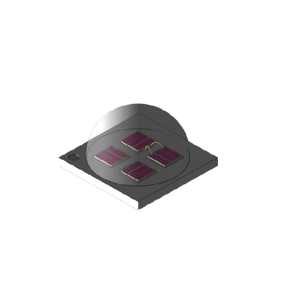
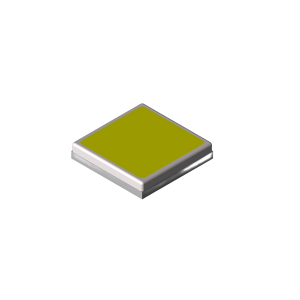
SMD 1W, which stands for Surface Mount Device 1W, refers to a type of electronic component designed for surface mounting technology (SMT). These components are commonly used in the manufacturing of printed circuit boards (PCBs) due to their compact size, ease of assembly, and cost-effectiveness. The “1W” in SMD 1W denotes the power rating of the component, indicating its ability to handle a certain amount of power without overheating.
Types of SMD 1W Components
SMD 1W components encompass a wide range of electronic devices, including resistors, capacitors, inductors, diodes, transistors, and more. Each type of component serves a specific purpose in electronic circuits, and their SMD 1W rating ensures that they can operate within their designed parameters without causing damage to the circuit or the component itself.
Advantages of SMD 1W Components
The use of SMD 1W components offers several advantages over through-hole components:
1. Size: SMD components are significantly smaller than through-hole components, allowing for higher component density on PCBs. This is particularly beneficial in compact electronic devices where space is limited.
2. Ease of Assembly: SMD components can be easily mounted onto PCBs using automated assembly machines, which increases production efficiency and reduces labor costs.
3. Cost-Effectiveness: The smaller size and higher assembly efficiency of SMD components contribute to lower production costs.
4. Reliability: SMD components are less prone to mechanical stress and vibration, which can lead to failures in through-hole components.
5. Heat Dissipation: The smaller footprint of SMD components allows for better heat dissipation, which is crucial in high-power applications.
Applications of SMD 1W Components
SMD 1W components are widely used in various industries and applications, including:
1. Consumer Electronics: Smartphones, tablets, digital cameras, and other portable devices often use SMD 1W components for their compact size and high performance.
2. Automotive Industry: Cars and trucks utilize SMD components in their electronic control units (ECUs), sensors, and other systems for their reliability and efficiency.
3. Industrial Equipment: Manufacturing and industrial equipment often employ SMD components for their robustness and ability to withstand harsh environments.
4. Medical Devices: SMD components are used in medical devices for their precision and reliability, ensuring accurate measurements and safe operation.
5. Telecommunications: Telecommunication equipment, such as routers and switches, rely on SMD components for their high-speed data processing capabilities.
Manufacturing Process of SMD 1W Components
The manufacturing process of SMD 1W components involves several steps:
1. Design: The first step is the design of the component, which includes determining its specifications, such as power rating, resistance, capacitance, and so on.
2. Material Selection: The appropriate materials are selected based on the component’s specifications and the desired performance.
3. Fabrication: The components are fabricated using various techniques, such as chemical etching, laser cutting, and stamping.
4. Coating: The components are coated with a protective layer to enhance their durability and resistance to environmental factors.
5. Testing: Each component is tested to ensure it meets the required specifications and performance standards.
6. Packaging: The components are packaged in a way that protects them during transportation and storage.
Challenges and Future Trends
Despite the numerous advantages of SMD 1W components, there are challenges associated with their manufacturing and use:
1. Quality Control: Ensuring the quality of SMD components can be challenging due to their small size and intricate manufacturing process.
2. Environmental Impact: The production of SMD components involves the use of chemicals and materials that can be harmful to the environment.
3. Cost: While SMD components are generally cost-effective, the initial investment in the manufacturing process can be high.
Looking ahead, future trends in the SMD 1W component industry include:
1. Miniaturization: There is a continuous trend towards producing even smaller SMD components to accommodate the increasing demand for compact electronic devices.
2. Advanced Materials: The development of new materials with improved properties is expected to enhance the performance and reliability of SMD components.
3. Automation: Automation in the manufacturing process will further increase efficiency and reduce costs.
4. Sustainability: Efforts to reduce the environmental impact of SMD component production are likely to increase, driven by regulatory requirements and consumer awareness.
In conclusion, SMD 1W components play a crucial role in the electronics industry, offering numerous benefits over traditional through-hole components. As technology continues to advance, the demand for SMD 1W components is expected to grow, and the industry will need to address challenges and embrace new trends to meet the evolving needs of the market.
 English
 Afrikaans
 Albanian
 Amharic
 Arabic
 Armenian
 Azerbaijani
 Basque
 Belarusian
 Bengali
 Bosnian
 Bulgarian
 Catalan
 Cebuano
 Chichewa
 Corsican
 Croatian
 Czech
Czech Danish
 Dutch
Dutch Esperanto
 Estonian
 Filipino
 Finnish
 French
 Frisian
 Galician
 Georgian
 German
 Greek
Greek Gujarati
 Haitian Creole
 Hausa
Hausa Hawaiian
 Hebrew
 Hindi
Hindi Hmong
Hmong Hungarian
 Icelandic
 Igbo
Igbo Indonesian
 Irish
Irish Italian
 Japanese
 Javanese
 Kannada
 Kazakh
 Khmer
Khmer Korean
 Kurdish (Kurmanji)
 Kyrgyz
 Lao
Lao Latin
Latin Latvian
 Lithuanian
 Luxembourgish
 Macedonian
 Malagasy
 Malay
Malay Malayalam
 Maltese
 Maori
Maori Marathi
 Mongolian
 Myanmar (Burmese)
 Nepali
 Norwegian
 Pashto
 Persian
 Polish
 Portuguese
 Punjabi
 Romanian
 Russian
 Samoan
 Scottish Gaelic
 Serbian
 Sesotho
 Shona
Shona Sindhi
 Sinhala
 Slovak
 Slovenian
 Somali
 Spanish
 Sudanese
 Swahili
 Swedish
 Tajik
Tajik Tamil
Tamil Telugu
 Thai
Thai Turkish
 Ukrainian
 Urdu
Urdu Uzbek
Uzbek Vietnamese
 Welsh
Welsh Xhosa
Xhosa Yiddish
 Yoruba
 Zulu
Zulu
Explore More from Queendom Lamp
Stay updated with the latest LED technology, lighting solutions, and industry insights.
Request a Quote About Queendom