



Fluorescent tube grow lights have become an essential component in the modern horticulture industry, providing a reliable and efficient source of light for plant growth. These specialized lighting systems are designed to mimic the natural sunlight, ensuring optimal conditions for photosynthesis and plant development. This article delves into the world of fluorescent tube grow lights, exploring their history, technology, applications, and the benefits they offer to both hobbyists and commercial growers alike.
Introduction to Fluorescent Tube Grow Lights
Fluorescent tube grow lights are compact, energy-efficient lighting fixtures that emit a broad spectrum of light, which is ideal for plant growth. Unlike traditional incandescent bulbs, which produce a lot of heat and very little light, fluorescent tubes convert a higher percentage of electrical energy into light, making them more suitable for indoor gardening and hydroponic systems.
History of Fluorescent Tube Grow Lights
The concept of using light to promote plant growth dates back to the early 20th century. However, it was not until the 1930s that the first commercial fluorescent grow lights were developed. These early lights were based on the principles of photosynthesis and were designed to provide a full spectrum of light to promote healthy plant growth. Over the years, advancements in technology have led to the development of various types of fluorescent tube grow lights, each with its unique features and benefits.
Types of Fluorescent Tube Grow Lights
There are several types of fluorescent tube grow lights available in the market, each designed to cater to different plant needs and growth stages. The most common types include:
– Compact Fluorescent Lights (CFLs): These are small, energy-efficient bulbs that are often used in small grow tents and grow boxes. They are available in various spectrums, such as cool white, warm white, and full-spectrum.
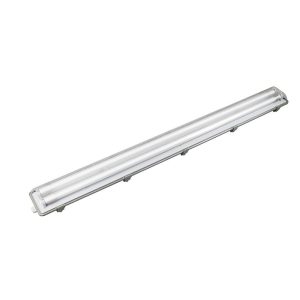
– Tube Fluorescent Lights: These are the traditional fluorescent tubes that are commonly used in grow rooms and greenhouses. They come in different lengths and spectrums, including cool white, warm white, and various growth-specific spectrums like blue, red, and full-spectrum.
– High-Intensity Discharge (HID) Lights: While not strictly fluorescent, HID lights are often used in conjunction with fluorescent tubes to provide additional light during the flowering stage. Examples include metal halide and high-pressure sodium lamps.
How Fluorescent Tube Grow Lights Work
Fluorescent tube grow lights work by passing an electric current through a gas-filled tube. This excites the gas, causing it to emit ultraviolet (UV) light, which then excites a phosphor coating on the inside of the tube. The phosphor coating emits visible light, which is then directed towards the plants.
The key to the effectiveness of fluorescent tube grow lights lies in their ability to emit a full spectrum of light, which includes the blue, red, and green wavelengths that are most beneficial for plant growth. This full spectrum ensures that plants receive the necessary light for photosynthesis and overall health.
Benefits of Fluorescent Tube Grow Lights
There are several advantages to using fluorescent tube grow lights for plant cultivation:
– Energy Efficiency: Fluorescent tubes are highly energy-efficient, converting a higher percentage of electrical energy into light compared to incandescent bulbs.
– Longevity: Fluorescent tubes have a longer lifespan than incandescent bulbs, which means less frequent replacements and lower maintenance costs.
– Heat Output: Fluorescent tubes produce very little heat, which is beneficial for plants as excessive heat can damage them and lead to heat stress.
– Flexibility: Fluorescent tube grow lights are available in various sizes and spectrums, making them suitable for a wide range of plants and growth stages.
Applications of Fluorescent Tube Grow Lights
Fluorescent tube grow lights are used in a variety of applications, including:
– Indoor Gardening: They are ideal for small-scale indoor gardening, such as growing herbs, vegetables, and flowers in grow tents, grow boxes, and indoor gardens.
– Hydroponic Systems: Fluorescent tubes are commonly used in hydroponic systems to provide the necessary light for plant growth without the need for soil.
– Greenhouses: They can be used in greenhouses to supplement natural sunlight, ensuring that plants receive the necessary light throughout the year.
– Professional Grow Operations: Fluorescent tube grow lights are also used in commercial grow operations, where they provide a cost-effective and efficient lighting solution.
Conclusion
Fluorescent tube grow lights have revolutionized the way plants are grown indoors, providing a reliable and efficient source of light for optimal plant growth. With their energy efficiency, longevity, and flexibility, these lighting systems continue to be a popular choice among hobbyists and commercial growers alike. As technology advances, we can expect to see further improvements in the performance and efficiency of fluorescent tube grow lights, making them an even more valuable tool in the horticulture industry.
 English
 Afrikaans
 Albanian
 Amharic
 Arabic
 Armenian
 Azerbaijani
 Basque
 Belarusian
 Bengali
 Bosnian
 Bulgarian
 Catalan
 Cebuano
 Chichewa
 Corsican
 Croatian
 Czech
Czech Danish
 Dutch
Dutch Esperanto
 Estonian
 Filipino
 Finnish
 French
 Frisian
 Galician
 Georgian
 German
 Greek
Greek Gujarati
 Haitian Creole
 Hausa
Hausa Hawaiian
 Hebrew
 Hindi
Hindi Hmong
Hmong Hungarian
 Icelandic
 Igbo
Igbo Indonesian
 Irish
Irish Italian
 Japanese
 Javanese
 Kannada
 Kazakh
 Khmer
Khmer Korean
 Kurdish (Kurmanji)
 Kyrgyz
 Lao
Lao Latin
Latin Latvian
 Lithuanian
 Luxembourgish
 Macedonian
 Malagasy
 Malay
Malay Malayalam
 Maltese
 Maori
Maori Marathi
 Mongolian
 Myanmar (Burmese)
 Nepali
 Norwegian
 Pashto
 Persian
 Polish
 Portuguese
 Punjabi
 Romanian
 Russian
 Samoan
 Scottish Gaelic
 Serbian
 Sesotho
 Shona
Shona Sindhi
 Sinhala
 Slovak
 Slovenian
 Somali
 Spanish
 Sudanese
 Swahili
 Swedish
 Tajik
Tajik Tamil
Tamil Telugu
 Thai
Thai Turkish
 Ukrainian
 Urdu
Urdu Uzbek
Uzbek Vietnamese
 Welsh
Welsh Xhosa
Xhosa Yiddish
 Yoruba
 Zulu
Zulu
Explore More from Queendom Lamp
Stay updated with the latest LED technology, lighting solutions, and industry insights.
Request a Quote About Queendom