



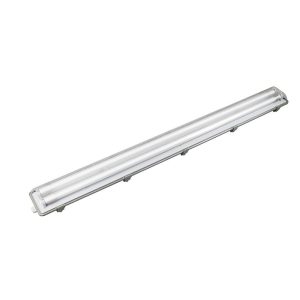
Fluorescent grow bulbs have become an essential component in the horticultural industry, providing a reliable and efficient source of light for plant growth. These bulbs are designed to mimic the natural sunlight, ensuring optimal conditions for photosynthesis and promoting healthy plant development. In this article, we will delve into the world of fluorescent grow bulbs, exploring their history, technology, applications, and the benefits they offer to both hobbyists and commercial growers.
History of Fluorescent Grow Bulbs
Fluorescent grow bulbs have a rich history that dates back to the early 20th century. The concept of using fluorescent light for plant growth was first introduced by Dr. William Castleman in the 1930s. Castleman, a horticulturist and plant physiologist, conducted extensive research on the effects of different light sources on plant growth. His work led to the development of the first fluorescent grow bulbs, which were initially used in greenhouses and nurseries.
The early fluorescent grow bulbs were less efficient and produced less light than they do today. However, they were a significant improvement over traditional incandescent bulbs, which were not suitable for plant growth due to their high heat output and inefficient light spectrum. Over the years, advancements in technology have led to the creation of more efficient and specialized fluorescent grow bulbs that cater to the specific needs of different plants.
Technology Behind Fluorescent Grow Bulbs
Fluorescent grow bulbs operate on a different principle than incandescent bulbs. Instead of heating a filament to produce light, fluorescent bulbs use a gas-filled tube that emits light when an electric current passes through it. This process is known as fluorescence.
The gas inside the tube is typically a mixture of mercury vapor and inert gases such as argon or krypton. When the electric current is applied, the mercury vapor emits ultraviolet (UV) light, which then excites the phosphor coating on the inside of the tube. The phosphor coating converts the UV light into visible light, which is then emitted as white or colored light, depending on the type of phosphor used.
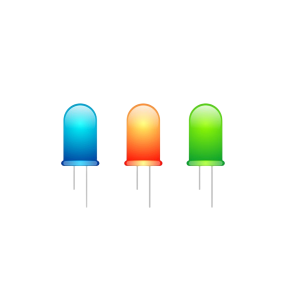
Fluorescent grow bulbs come in various colors, each designed to provide the optimal light spectrum for different stages of plant growth. For example, blue and white bulbs are often used during the vegetative stage, while red and orange bulbs are preferred during the flowering stage.
Applications of Fluorescent Grow Bulbs
Fluorescent grow bulbs are widely used in various applications, including:
1. Greenhouses and Nurseries: These facilities rely on fluorescent grow bulbs to provide consistent and controlled light conditions for plant propagation and growth.
2. Indoor Gardening: Hobbyists and home gardeners use fluorescent grow bulbs to extend the growing season and cultivate plants that require specific light conditions.
3. Hydroponics: In hydroponic systems, fluorescent grow bulbs are used to provide the necessary light for plant photosynthesis, especially in enclosed environments where natural sunlight is limited.
4. Medical Marijuana Cultivation: The controlled environment provided by fluorescent grow bulbs is ideal for cultivating medical marijuana, ensuring high-quality and potent plants.
Benefits of Fluorescent Grow Bulbs
Fluorescent grow bulbs offer several benefits over other lighting options:
1. Energy Efficiency: Fluorescent bulbs are more energy-efficient than incandescent bulbs, consuming less electricity and reducing energy costs.
2. Longevity: Fluorescent bulbs have a longer lifespan than incandescent bulbs, lasting up to 10 times longer, which reduces maintenance and replacement costs.
3. Heat Output: Fluorescent bulbs produce very little heat, making them safer to use in enclosed spaces and reducing the risk of overheating plants.
4. Customizable Light Spectrum: The availability of different color bulbs allows growers to tailor the light spectrum to the specific needs of their plants, optimizing growth and yield.
Challenges and Future Developments
Despite their many benefits, fluorescent grow bulbs face some challenges, including:
1. Light Output: While advancements have been made, fluorescent bulbs still produce less light than other lighting technologies, such as LED grow lights.
2. Color Rendering: Some fluorescent bulbs may not provide the best color rendering, which can affect the appearance of plants and the quality of produce.
3. Cost: Although energy-efficient, fluorescent bulbs can be more expensive than traditional lighting options, particularly when considering the initial investment.
Looking to the future, researchers and manufacturers are continuously working on improving fluorescent grow bulbs. Some of the potential developments include:
1. Increased Light Output: Ongoing research aims to enhance the light output of fluorescent bulbs, making them more competitive with other lighting technologies.
2. Improved Color Rendering: Advances in phosphor technology are expected to improve the color rendering of fluorescent bulbs, providing better growth conditions for plants.
3. Integration with Smart Systems: The integration of fluorescent grow bulbs with smart gardening systems could offer precise control over light intensity, duration, and spectrum, further optimizing plant growth.
In conclusion, fluorescent grow bulbs have revolutionized the horticultural industry by providing an efficient and reliable source of light for plant growth. As technology continues to advance, these bulbs will undoubtedly play a crucial role in shaping the future of indoor gardening and commercial cultivation.
 English
 Afrikaans
 Albanian
 Amharic
 Arabic
 Armenian
 Azerbaijani
 Basque
 Belarusian
 Bengali
 Bosnian
 Bulgarian
 Catalan
 Cebuano
 Chichewa
 Corsican
 Croatian
 Czech
Czech Danish
 Dutch
Dutch Esperanto
 Estonian
 Filipino
 Finnish
 French
 Frisian
 Galician
 Georgian
 German
 Greek
Greek Gujarati
 Haitian Creole
 Hausa
Hausa Hawaiian
 Hebrew
 Hindi
Hindi Hmong
Hmong Hungarian
 Icelandic
 Igbo
Igbo Indonesian
 Irish
Irish Italian
 Japanese
 Javanese
 Kannada
 Kazakh
 Khmer
Khmer Korean
 Kurdish (Kurmanji)
 Kyrgyz
 Lao
Lao Latin
Latin Latvian
 Lithuanian
 Luxembourgish
 Macedonian
 Malagasy
 Malay
Malay Malayalam
 Maltese
 Maori
Maori Marathi
 Mongolian
 Myanmar (Burmese)
 Nepali
 Norwegian
 Pashto
 Persian
 Polish
 Portuguese
 Punjabi
 Romanian
 Russian
 Samoan
 Scottish Gaelic
 Serbian
 Sesotho
 Shona
Shona Sindhi
 Sinhala
 Slovak
 Slovenian
 Somali
 Spanish
 Sudanese
 Swahili
 Swedish
 Tajik
Tajik Tamil
Tamil Telugu
 Thai
Thai Turkish
 Ukrainian
 Urdu
Urdu Uzbek
Uzbek Vietnamese
 Welsh
Welsh Xhosa
Xhosa Yiddish
 Yoruba
 Zulu
Zulu
Explore More from Queendom Lamp
Stay updated with the latest LED technology, lighting solutions, and industry insights.
Request a Quote About Queendom