

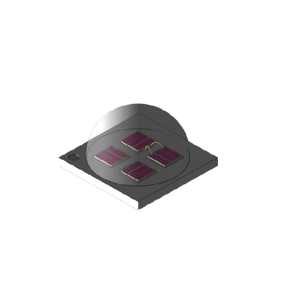
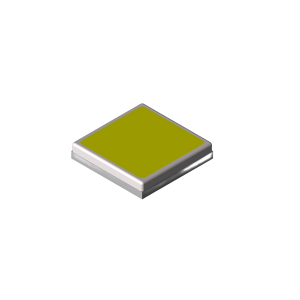
Plant UV lights have emerged as a revolutionary technology in the field of horticulture, offering a new dimension to the way plants are grown and nurtured. These specialized lights emit ultraviolet (UV) radiation, which is known to have various beneficial effects on plant growth, health, and yield. This article delves into the world of Plant UV lights, exploring their types, applications, benefits, and the future of this innovative technology.
Introduction to Plant UV Lights
Plant UV lights are designed to mimic the natural UV radiation that plants receive from the sun. While the sun emits a broad spectrum of light, including UV radiation, modern horticultural practices often use UV lights to supplement the natural light or to provide a controlled environment for plant growth. These lights come in different wavelengths, each with specific applications and benefits.
Types of Plant UV Lights
There are primarily two types of UV lights used in horticulture: UVA and UVB.
–
UVA Lights
UVA lights emit light in the range of 320-400 nanometers. They are similar to the UV radiation plants receive from the sun and are known to stimulate plant growth. UVA lights are used to enhance photosynthesis, improve plant vigor, and increase the production of secondary metabolites such as terpenoids and flavonoids.
–
UVB Lights
UVB lights emit light in the range of 280-320 nanometers. They are less intense than UVA lights and are believed to play a role in the plant’s immune system, helping them to resist diseases and pests. UVB lights are also thought to influence the plant’s flowering process and the development of chlorophyll.
Applications of Plant UV Lights
Plant UV lights find applications in various areas of horticulture, including:
–
Greenhouses and Indoor Gardening
In controlled environments like greenhouses and indoor gardens, UV lights can be used to simulate natural sunlight and enhance plant growth. They are particularly beneficial for extending the growing season and improving the quality of the produce.
–
Hydroponics
Hydroponic systems often rely on artificial lighting to provide the necessary light for plant growth. UV lights can be integrated into these systems to optimize plant health and yield.
–
Seedling and Cutting Propagation
UV lights are used to accelerate the germination process and improve the growth rate of seedlings and cuttings. They can also help in the production of disease-free plants.
–
Research and Development
Plant UV lights are crucial in research and development, where they are used to study the effects of UV radiation on plant biology and to develop new varieties of plants.
Benefits of Plant UV Lights
The use of Plant UV lights offers several benefits, including:
–
Enhanced Photosynthesis
UV radiation can stimulate the production of chlorophyll, which is essential for photosynthesis. This leads to healthier plants and increased yields.
–
Improved Plant Vigor
UV lights can boost the overall vigor of plants, making them more resistant to diseases and pests.
–
Increased Secondary Metabolites
UV radiation can enhance the production of secondary metabolites, which have various health benefits and can be used in pharmaceuticals and food production.
–
Improved Flowering and Fruit Development
UVB lights can influence the flowering process and the development of fruits, leading to better quality produce.
Challenges and Considerations
While Plant UV lights offer numerous benefits, there are also challenges and considerations to keep in mind:
–
Exposure Levels
It is crucial to monitor and control the exposure levels of UV radiation to prevent damage to plants. Overexposure can lead to sunburn and other forms of stress.
–
Cost and Energy Efficiency
The initial cost of installing UV lighting systems can be high, and the energy required to operate these systems can be significant. Therefore, it is important to consider the long-term cost-effectiveness.
–
Regulatory Compliance
There may be regulations regarding the use of UV lights in certain areas, particularly in relation to the safety of workers and the potential impact on the environment.
The Future of Plant UV Lights
The future of Plant UV lights looks promising, with ongoing research and development aimed at improving the technology. Some of the key areas of focus include:
–
Optimized Light Spectra
Further research is being conducted to develop UV lights with optimized light spectra that provide the best balance of benefits for different plant species.
–
Energy-Efficient Designs
Efforts are being made to create more energy-efficient UV lighting systems that reduce operational costs.
–
Customizable Solutions
The development of customizable UV lighting solutions that can be tailored to the specific needs of different plants and growing environments is also a priority.
In conclusion, Plant UV lights have become an integral part of modern horticulture, offering innovative solutions for plant growth and health. As the technology continues to evolve, it is expected to play an even more significant role in the future of agriculture and food production.
 English
 Afrikaans
 Albanian
 Amharic
 Arabic
 Armenian
 Azerbaijani
 Basque
 Belarusian
 Bengali
 Bosnian
 Bulgarian
 Catalan
 Cebuano
 Chichewa
 Corsican
 Croatian
 Czech
Czech Danish
 Dutch
Dutch Esperanto
 Estonian
 Filipino
 Finnish
 French
 Frisian
 Galician
 Georgian
 German
 Greek
Greek Gujarati
 Haitian Creole
 Hausa
Hausa Hawaiian
 Hebrew
 Hindi
Hindi Hmong
Hmong Hungarian
 Icelandic
 Igbo
Igbo Indonesian
 Irish
Irish Italian
 Japanese
 Javanese
 Kannada
 Kazakh
 Khmer
Khmer Korean
 Kurdish (Kurmanji)
 Kyrgyz
 Lao
Lao Latin
Latin Latvian
 Lithuanian
 Luxembourgish
 Macedonian
 Malagasy
 Malay
Malay Malayalam
 Maltese
 Maori
Maori Marathi
 Mongolian
 Myanmar (Burmese)
 Nepali
 Norwegian
 Pashto
 Persian
 Polish
 Portuguese
 Punjabi
 Romanian
 Russian
 Samoan
 Scottish Gaelic
 Serbian
 Sesotho
 Shona
Shona Sindhi
 Sinhala
 Slovak
 Slovenian
 Somali
 Spanish
 Sudanese
 Swahili
 Swedish
 Tajik
Tajik Tamil
Tamil Telugu
 Thai
Thai Turkish
 Ukrainian
 Urdu
Urdu Uzbek
Uzbek Vietnamese
 Welsh
Welsh Xhosa
Xhosa Yiddish
 Yoruba
 Zulu
Zulu
Explore More from Queendom Lamp
Stay updated with the latest LED technology, lighting solutions, and industry insights.
Request a Quote About Queendom