





Plant growth fill light has become an essential component in modern horticulture and agriculture. As the demand for sustainable and efficient farming practices increases, the use of fill light technology has gained significant attention. This article aims to provide an in-depth introduction to the industry of plant growth fill light, covering its definition, benefits, applications, and future trends.
Definition of Plant Growth Fill Light
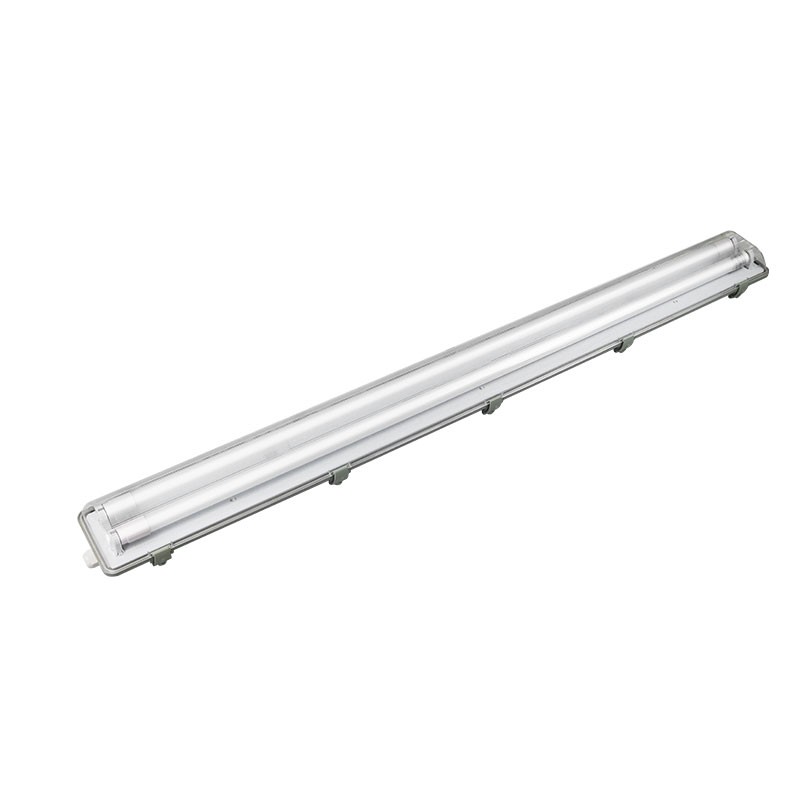
Plant growth fill light refers to a type of lighting system designed to provide additional light to plants, especially during the day when natural sunlight is insufficient. This technology is particularly beneficial for indoor farming, greenhouses, and vertical farming systems, where natural light is limited or unavailable.
Benefits of Plant Growth Fill Light
The use of plant growth fill light offers several advantages, including:
1. Enhanced Growth Rate: Fill light can significantly increase the growth rate of plants by providing the necessary light energy for photosynthesis. This allows farmers to produce more crops in a shorter period of time.
2. Improved Quality of Produce: Fill light can lead to better quality of produce, as it promotes healthier and more vibrant plants. This is particularly important for ornamental plants and high-value crops.
3. Energy Efficiency: Modern fill light systems are designed to be energy-efficient, reducing the overall energy consumption compared to traditional lighting methods.
4. Reduced Environmental Impact: By utilizing fill light, farmers can reduce their reliance on natural sunlight, which in turn reduces the need for land and water resources.
5. Flexibility: Fill light systems can be easily adjusted to meet the specific needs of different plants and growing conditions.
Applications of Plant Growth Fill Light
Plant growth fill light technology is widely used in various applications, including:
1. Indoor Farming: Fill light is an essential component in indoor farming systems, where natural sunlight is often unavailable. This technology allows farmers to grow a wide range of crops, including vegetables, fruits, and herbs, year-round.
2. Greenhouses: Fill light can be used to supplement natural sunlight in greenhouses, ensuring optimal growth conditions for plants throughout the year.
3. Vertical Farming: Vertical farming systems, which involve growing plants in stacked layers, require fill light to provide adequate light to all plants in the system.
4. Agricultural Research: Fill light is used in agricultural research to study the effects of different light conditions on plant growth and development.
5. Ornamental Plants: Fill light is often used to promote the growth and flowering of ornamental plants, such as flowers, shrubs, and trees.
Technological Advancements in Plant Growth Fill Light
The plant growth fill light industry has seen significant technological advancements in recent years. Some of the key developments include:
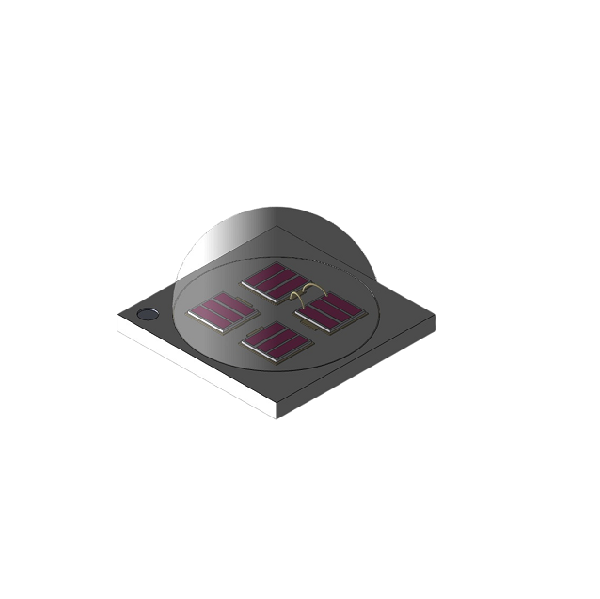
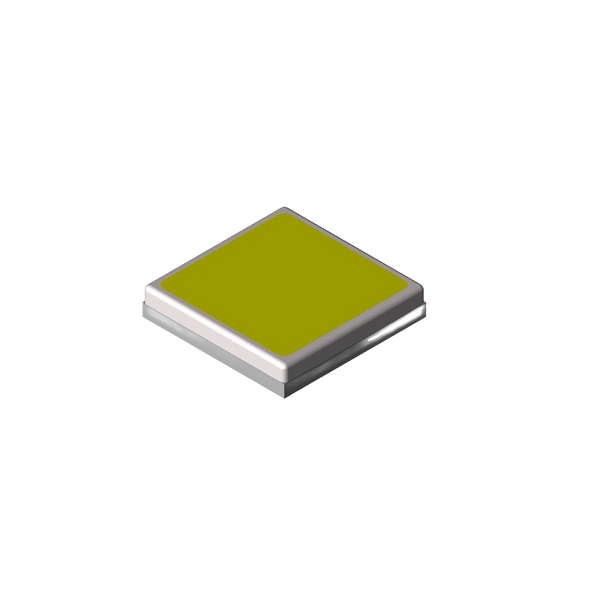
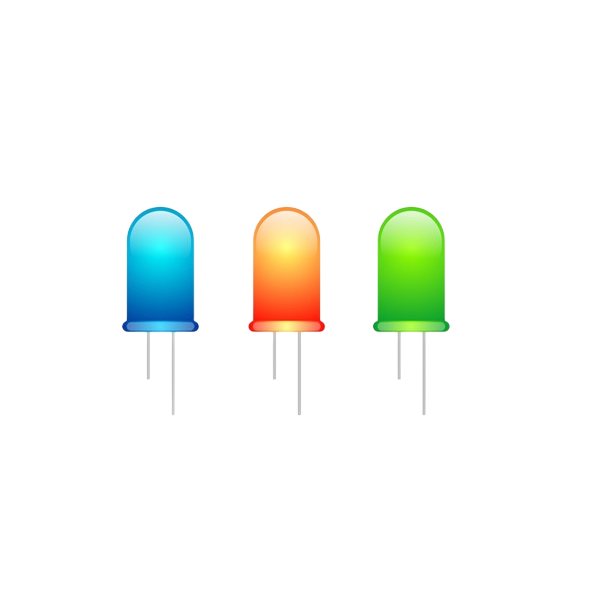
1. LED Lighting: Light Emitting Diode (LED) technology has revolutionized the plant growth fill light industry. LEDs are energy-efficient, have a long lifespan, and can be customized to emit specific wavelengths of light that are most beneficial for plant growth.
2. Intelligent Control Systems: Advanced control systems can adjust the intensity, color, and duration of fill light to optimize plant growth conditions. These systems can also be integrated with other agricultural technologies, such as climate control and irrigation, to create a fully automated growing environment.
3. Customizable Lighting Solutions: Fill light systems can now be tailored to meet the specific needs of different plants and growing conditions, thanks to advancements in lighting technology and horticultural research.
Future Trends in Plant Growth Fill Light
The future of plant growth fill light looks promising, with several trends emerging in the industry:
1. Increased Energy Efficiency: As technology continues to advance, we can expect even more energy-efficient fill light systems to be developed, further reducing the environmental impact of indoor farming.
2. Integration with IoT: The Internet of Things (IoT) will play a significant role in the future of plant growth fill light. By integrating fill light systems with IoT devices, farmers can monitor and control their lighting systems remotely, ensuring optimal plant growth conditions.
3. Personalized Lighting Solutions: As the industry becomes more advanced, we can expect to see personalized lighting solutions that cater to the specific needs of individual plants and growing environments.
4. Increased Adoption in Developing Countries: As the cost of fill light technology continues to decrease, we can expect to see a greater adoption of this technology in developing countries, where it can help improve food security and reduce poverty.
In conclusion, plant growth fill light technology has become an indispensable tool in modern horticulture and agriculture. With its numerous benefits and applications, this technology is poised to play a crucial role in shaping the future of food production and sustainability.
 English
 Afrikaans
 Albanian
 Amharic
 Arabic
 Armenian
 Azerbaijani
 Basque
 Belarusian
 Bengali
 Bosnian
 Bulgarian
 Catalan
 Cebuano
 Chichewa
 Corsican
 Croatian
 Czech
Czech Danish
 Dutch
Dutch Esperanto
 Estonian
 Filipino
 Finnish
 French
 Frisian
 Galician
 Georgian
 German
 Greek
Greek Gujarati
 Haitian Creole
 Hausa
Hausa Hawaiian
 Hebrew
 Hindi
Hindi Hmong
Hmong Hungarian
 Icelandic
 Igbo
Igbo Indonesian
 Irish
Irish Italian
 Japanese
 Javanese
 Kannada
 Kazakh
 Khmer
Khmer Korean
 Kurdish (Kurmanji)
 Kyrgyz
 Lao
Lao Latin
Latin Latvian
 Lithuanian
 Luxembourgish
 Macedonian
 Malagasy
 Malay
Malay Malayalam
 Maltese
 Maori
Maori Marathi
 Mongolian
 Myanmar (Burmese)
 Nepali
 Norwegian
 Pashto
 Persian
 Polish
 Portuguese
 Punjabi
 Romanian
 Russian
 Samoan
 Scottish Gaelic
 Serbian
 Sesotho
 Shona
Shona Sindhi
 Sinhala
 Slovak
 Slovenian
 Somali
 Spanish
 Sudanese
 Swahili
 Swedish
 Tajik
Tajik Tamil
Tamil Telugu
 Thai
Thai Turkish
 Ukrainian
 Urdu
Urdu Uzbek
Uzbek Vietnamese
 Welsh
Welsh Xhosa
Xhosa Yiddish
 Yoruba
 Zulu
Zulu
Explore More from Queendom Lamp
Stay updated with the latest LED technology, lighting solutions, and industry insights.
Request a Quote About Queendom