








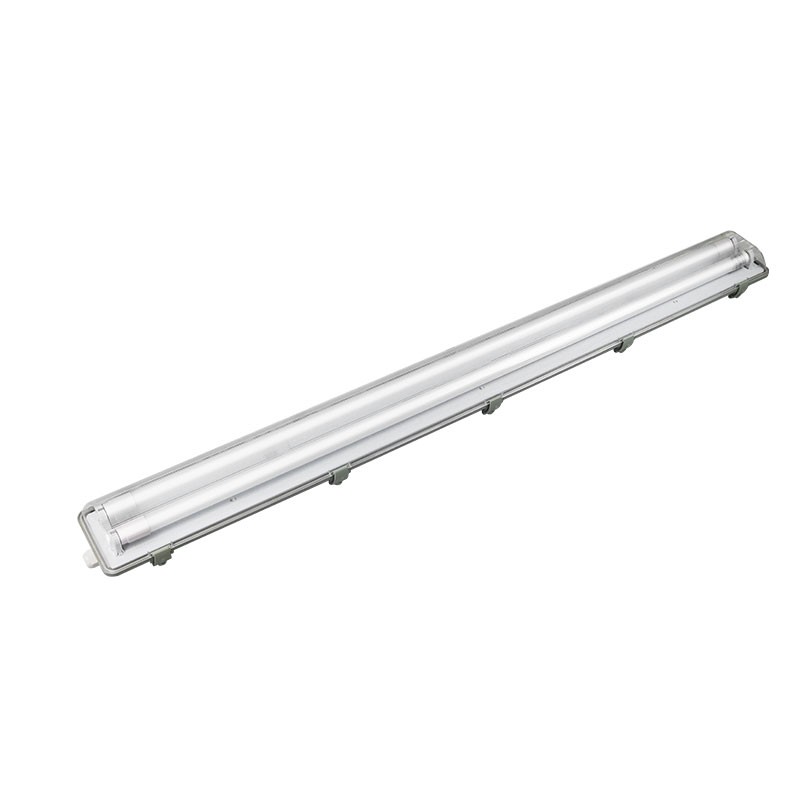
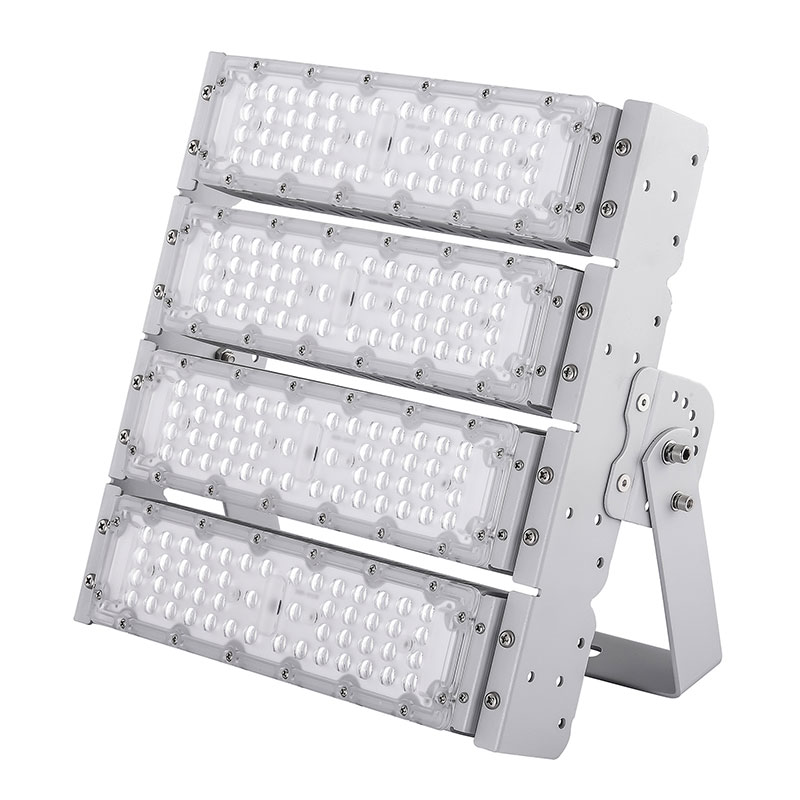


Fluorescent plant bulbs have become an integral part of modern horticulture and indoor gardening. These bulbs are designed to provide artificial light that mimics natural sunlight, enabling plants to grow and thrive in environments where natural light is limited. In this article, we will explore the history, types, benefits, and applications of fluorescent plant bulbs, highlighting their significance in the industry.
History of Fluorescent Plant Bulbs
The concept of using artificial light for plant growth dates back to the early 20th century. However, it was not until the development of fluorescent lighting in the 1930s that the idea of using these bulbs for plant cultivation gained traction. Initially, fluorescent bulbs were used in greenhouses and nurseries to extend the growing season and promote plant growth. Over the years, advancements in technology have led to the development of various types of fluorescent bulbs, each with its unique characteristics and applications.
Types of Fluorescent Plant Bulbs
There are several types of fluorescent plant bulbs available in the market, each designed to cater to specific plant needs. The most common types include:
1. T5 Fluorescent Bulbs: These bulbs are known for their high efficiency and excellent color spectrum. They are widely used in grow tents, hydroponic systems, and indoor gardens.
2. T8 Fluorescent Bulbs: T8 bulbs are a popular choice for general plant growth and are often used in propagation and seedling stages.
3. T12 Fluorescent Bulbs: These bulbs are older and less efficient than T5 and T8 bulbs. They are still used in some applications but are gradually being phased out.
4. Compact Fluorescent Lights (CFLs): CFLs are a more energy-efficient alternative to traditional fluorescent bulbs and are suitable for small indoor gardens and propagation.
5. LED Grow Lights: While not strictly fluorescent, LED grow lights have gained popularity due to their energy efficiency and ability to provide a full spectrum of light.
Benefits of Fluorescent Plant Bulbs
Fluorescent plant bulbs offer several advantages over other lighting options, making them a preferred choice for many gardeners and horticulturists:
1. Energy Efficiency: Fluorescent bulbs consume less energy compared to incandescent bulbs, making them a more cost-effective option for long-term use.
2. Longevity: Fluorescent bulbs have a longer lifespan than incandescent bulbs, reducing the frequency of replacements and maintenance costs.
3. Color Spectrum: Fluorescent bulbs provide a full spectrum of light, promoting healthy plant growth and development.
4. Safety: Fluorescent bulbs generate less heat than other lighting options, reducing the risk of plant overheating and damage.
5. Versatility: Fluorescent bulbs come in various sizes and shapes, making them suitable for a wide range of applications, from small indoor gardens to large greenhouses.
Applications of Fluorescent Plant Bulbs
Fluorescent plant bulbs are used in various applications across the horticulture industry:
1. Greenhouses and Nurseries: These facilities rely on fluorescent bulbs to provide consistent light for plants throughout the year, regardless of weather conditions.
2. Indoor Gardening: Fluorescent bulbs are a popular choice for indoor gardeners who want to grow plants in limited space or during the winter months.
3. Hydroponic Systems: Fluorescent bulbs are used in hydroponic systems to provide the necessary light for plant growth and development.
4. Seedling and Propagation: Fluorescent bulbs are ideal for seedling and propagation stages, as they provide the optimal light spectrum for plant growth.
5. Agricultural Research: Researchers use fluorescent bulbs to study plant growth and development under controlled lighting conditions.
Conclusion
Fluorescent plant bulbs have revolutionized the horticulture industry by providing a reliable and efficient source of artificial light for plant growth. With their energy efficiency, longevity, and versatility, these bulbs have become an indispensable tool for gardeners, horticulturists, and researchers alike. As technology continues to advance, we can expect to see further innovations in fluorescent plant bulbs, making them an even more valuable resource for the industry.
 English
 Afrikaans
 Albanian
 Amharic
 Arabic
 Armenian
 Azerbaijani
 Basque
 Belarusian
 Bengali
 Bosnian
 Bulgarian
 Catalan
 Cebuano
 Chichewa
 Corsican
 Croatian
 Czech
Czech Danish
 Dutch
Dutch Esperanto
 Estonian
 Filipino
 Finnish
 French
 Frisian
 Galician
 Georgian
 German
 Greek
Greek Gujarati
 Haitian Creole
 Hausa
Hausa Hawaiian
 Hebrew
 Hindi
Hindi Hmong
Hmong Hungarian
 Icelandic
 Igbo
Igbo Indonesian
 Irish
Irish Italian
 Japanese
 Javanese
 Kannada
 Kazakh
 Khmer
Khmer Korean
 Kurdish (Kurmanji)
 Kyrgyz
 Lao
Lao Latin
Latin Latvian
 Lithuanian
 Luxembourgish
 Macedonian
 Malagasy
 Malay
Malay Malayalam
 Maltese
 Maori
Maori Marathi
 Mongolian
 Myanmar (Burmese)
 Nepali
 Norwegian
 Pashto
 Persian
 Polish
 Portuguese
 Punjabi
 Romanian
 Russian
 Samoan
 Scottish Gaelic
 Serbian
 Sesotho
 Shona
Shona Sindhi
 Sinhala
 Slovak
 Slovenian
 Somali
 Spanish
 Sudanese
 Swahili
 Swedish
 Tajik
Tajik Tamil
Tamil Telugu
 Thai
Thai Turkish
 Ukrainian
 Urdu
Urdu Uzbek
Uzbek Vietnamese
 Welsh
Welsh Xhosa
Xhosa Yiddish
 Yoruba
 Zulu
Zulu
Explore More from Queendom Lamp
Stay updated with the latest LED technology, lighting solutions, and industry insights.
Request a Quote About Queendom