







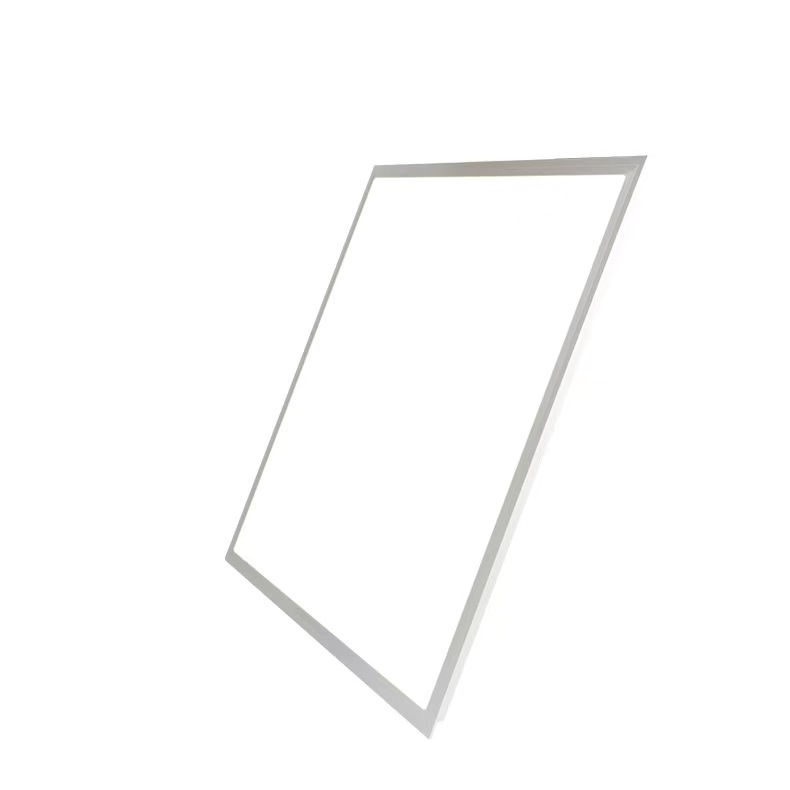
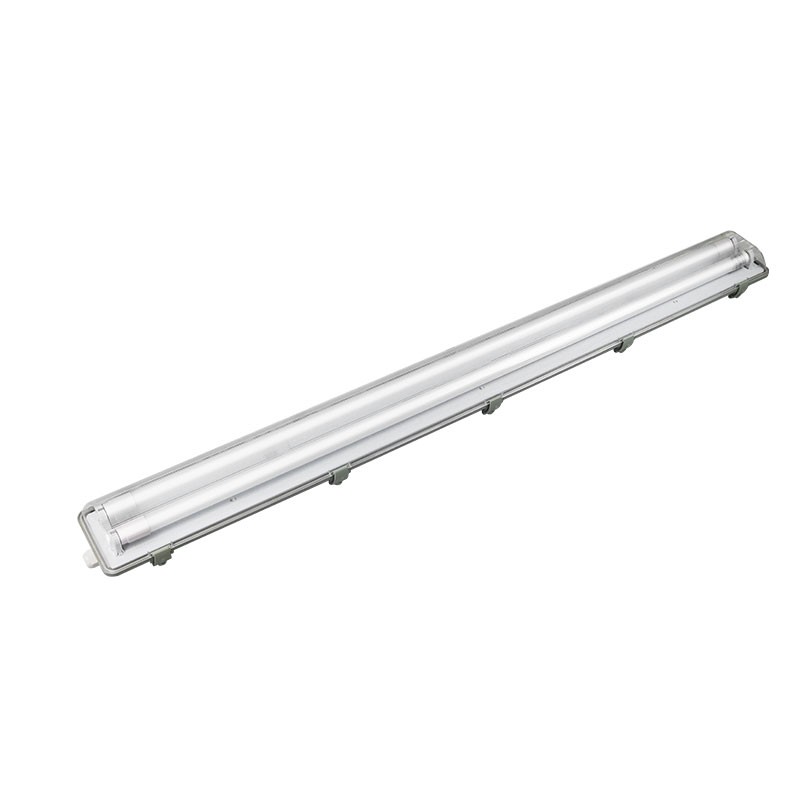
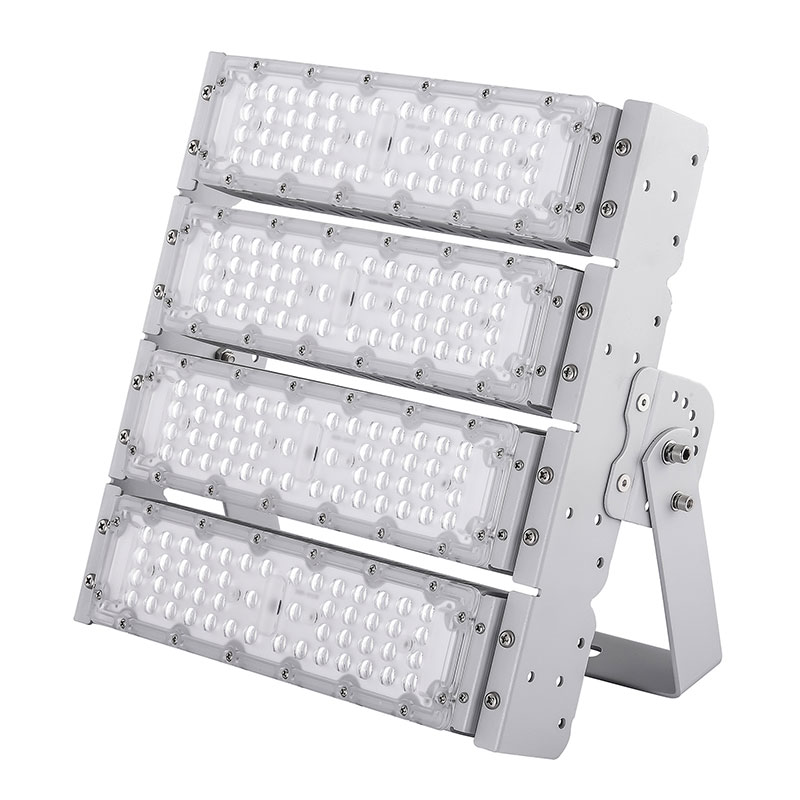


High power flood lights have become an integral part of modern outdoor lighting solutions, offering a powerful and versatile way to illuminate large areas. These lights are designed to provide intense illumination over vast distances, making them ideal for stadiums, parking lots, industrial facilities, and other outdoor spaces that require extensive coverage. In this article, we will delve into the world of high power flood lights, exploring their history, technology, applications, and the impact they have on various industries.
History of High Power Flood Lights
The concept of flood lighting dates back to the early 20th century when it was first used to illuminate sports fields. The first high power flood lights were developed in the 1930s, and they quickly gained popularity due to their ability to provide bright and even lighting over large areas. Over the years, advancements in technology have led to the development of more efficient and durable flood lights, making them a staple in outdoor lighting.
Technology Behind High Power Flood Lights
High power flood lights operate on the principle of directing light over a wide angle, ensuring that the entire area is illuminated evenly. The technology behind these lights involves several key components:
- Lamps: High power flood lights typically use high-intensity discharge (HID) lamps, such as metal halide, high-pressure sodium, or mercury vapor lamps. These lamps produce a bright, white light that is ideal for outdoor applications.
- Reflector: The reflector is designed to concentrate the light emitted by the lamp into a specific pattern, which can be adjusted to suit the application’s needs.
- Optics: The optics of a flood light are responsible for controlling the distribution of light. They can be designed to provide a wide or narrow beam angle, depending on the requirements of the application.
- Mounting: High power flood lights are mounted on poles or structures to ensure they are positioned correctly for optimal coverage.
Advancements in lamp technology have led to increased efficiency and longer lifespans, making high power flood lights a cost-effective solution for outdoor lighting.
Applications of High Power Flood Lights
High power flood lights are used in a wide range of applications, including:
- Sports Facilities: These lights are essential for illuminating sports fields, tracks, and courts, allowing for night games and practice sessions.
- Security Lighting: Flood lights are often used for security purposes, deterring crime and providing clear visibility in parking lots, garages, and other outdoor areas.
- Industrial Lighting: Industrial facilities require high-intensity lighting to ensure safety and productivity. High power flood lights are ideal for illuminating large warehouses, factories, and outdoor workspaces.
- Transportation Infrastructure: These lights are used to illuminate roads, bridges, and tunnels, improving safety and visibility for drivers and pedestrians.
- Public Spaces: Parks, plazas, and other public spaces can be enhanced with flood lights, creating a welcoming and well-lit environment for visitors.
With the increasing demand for energy-efficient lighting solutions, many high power flood lights now come with features like dimming capabilities and motion sensors, further enhancing their utility and reducing energy consumption.
Environmental Impact and Energy Efficiency
The environmental impact of high power flood lights has been a concern for many years. Traditional HID lamps consume a significant amount of energy and have a shorter lifespan, leading to higher maintenance costs and more frequent replacements. However, advancements in technology have led to the development of energy-efficient flood lights that consume less energy and last longer.
- LED Flood Lights: Light Emitting Diode (LED) flood lights have become increasingly popular due to their high efficiency and long lifespan. They consume up to 80% less energy than traditional HID lamps and can last up to 50,000 hours.
- Smart Lighting: Smart lighting systems can be integrated with high power flood lights to optimize energy usage. These systems can adjust the intensity of the lights based on the time of day, weather conditions, and occupancy, further reducing energy consumption.
As awareness of environmental issues grows, the industry is continuously working on developing more sustainable lighting solutions that minimize the ecological footprint of high power flood lights.
Future Trends in High Power Flood Lights
The future of high power flood lights is likely to be shaped by several key trends:
- Integration with IoT: The Internet of Things (IoT) is expected to play a significant role in the future of flood lighting. Smart lighting systems can be integrated with IoT devices to provide real-time monitoring, control, and energy management.
- Customization: As the demand for tailored lighting solutions increases, manufacturers are likely to offer a wider range of options, including different beam angles, color temperatures, and energy-saving features.
- Innovation in Materials: New materials and coatings are being developed to enhance the performance and lifespan of flood lights, making them more durable and resistant to environmental factors.
With these advancements, high power flood lights are expected to become even more efficient, sustainable, and adaptable to the diverse needs of various industries.
Conclusion
High power flood lights have come a long way since their inception, evolving into a crucial component of modern outdoor lighting solutions. Their ability to provide intense, even illumination over large areas has made them indispensable in sports, security, industry, and public spaces. As technology continues to advance, high power flood lights are poised to become even more efficient, sustainable, and adaptable, shaping the future of outdoor lighting for years to come.
 English
 Afrikaans
 Albanian
 Amharic
 Arabic
 Armenian
 Azerbaijani
 Basque
 Belarusian
 Bengali
 Bosnian
 Bulgarian
 Catalan
 Cebuano
 Chichewa
 Corsican
 Croatian
 Czech
Czech Danish
 Dutch
Dutch Esperanto
 Estonian
 Filipino
 Finnish
 French
 Frisian
 Galician
 Georgian
 German
 Greek
Greek Gujarati
 Haitian Creole
 Hausa
Hausa Hawaiian
 Hebrew
 Hindi
Hindi Hmong
Hmong Hungarian
 Icelandic
 Igbo
Igbo Indonesian
 Irish
Irish Italian
 Japanese
 Javanese
 Kannada
 Kazakh
 Khmer
Khmer Korean
 Kurdish (Kurmanji)
 Kyrgyz
 Lao
Lao Latin
Latin Latvian
 Lithuanian
 Luxembourgish
 Macedonian
 Malagasy
 Malay
Malay Malayalam
 Maltese
 Maori
Maori Marathi
 Mongolian
 Myanmar (Burmese)
 Nepali
 Norwegian
 Pashto
 Persian
 Polish
 Portuguese
 Punjabi
 Romanian
 Russian
 Samoan
 Scottish Gaelic
 Serbian
 Sesotho
 Shona
Shona Sindhi
 Sinhala
 Slovak
 Slovenian
 Somali
 Spanish
 Sudanese
 Swahili
 Swedish
 Tajik
Tajik Tamil
Tamil Telugu
 Thai
Thai Turkish
 Ukrainian
 Urdu
Urdu Uzbek
Uzbek Vietnamese
 Welsh
Welsh Xhosa
Xhosa Yiddish
 Yoruba
 Zulu
Zulu
Explore More from Queendom Lamp
Stay updated with the latest LED technology, lighting solutions, and industry insights.
Request a Quote About Queendom