

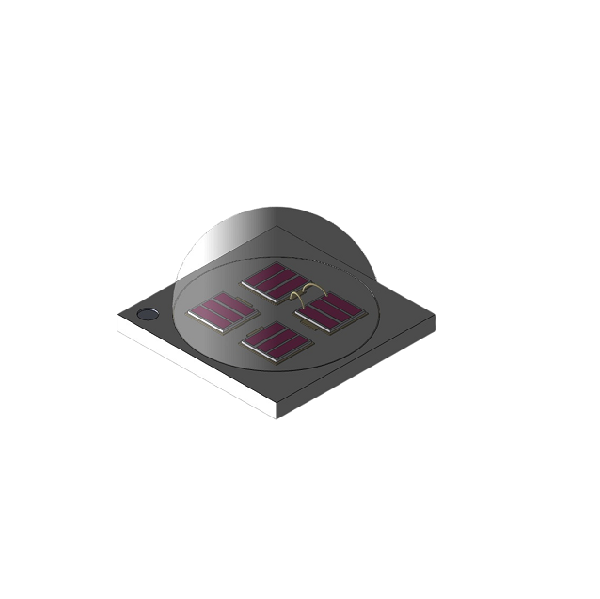


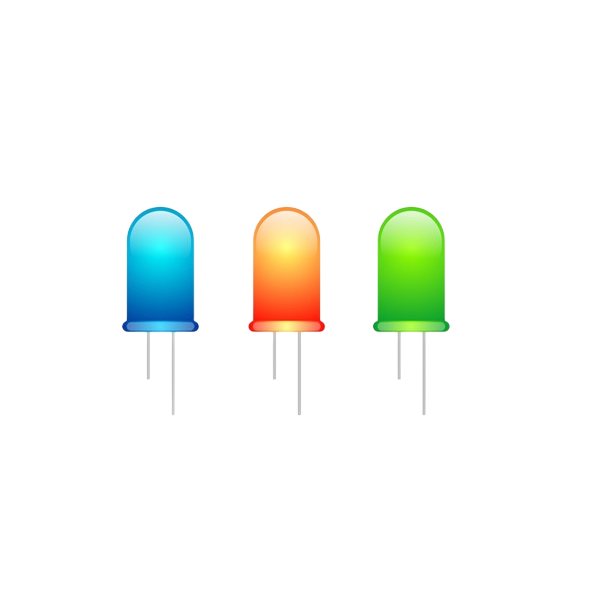




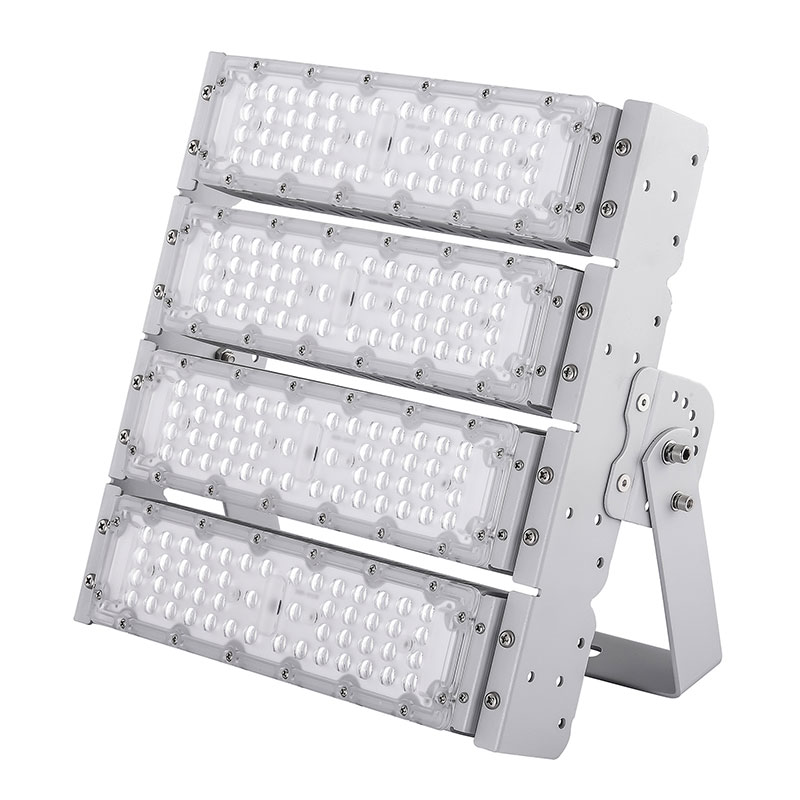
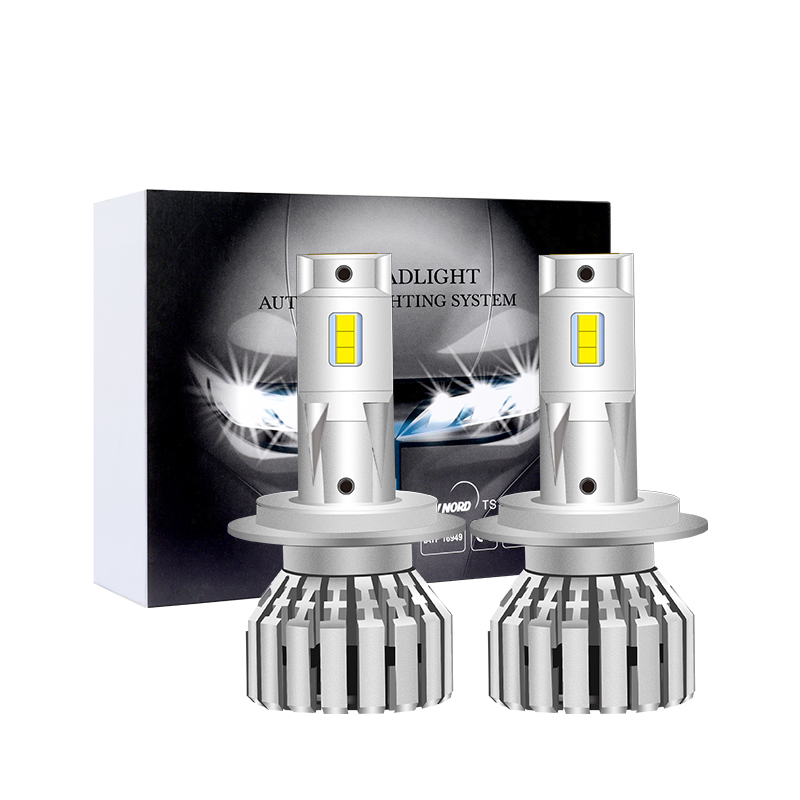

Full spectrum tube light bulbs have emerged as a revolutionary lighting solution in the modern era, offering a wide range of benefits that go beyond mere illumination. These bulbs mimic the natural light spectrum, providing a more balanced and healthier lighting experience. In this article, we will delve into the world of full spectrum tube light bulbs, exploring their features, advantages, and applications in various industries.
Introduction to Full Spectrum Tube Light Bulbs
Full spectrum tube light bulbs are designed to emit light that closely resembles the natural light spectrum found outdoors. Unlike traditional incandescent or fluorescent bulbs, which emit light in a narrow band of the spectrum, full spectrum bulbs emit a broad spectrum of light, including ultraviolet (UV) and infrared (IR) wavelengths. This mimics the light from the sun, which is essential for maintaining human health and well-being.
How Full Spectrum Tube Light Bulbs Work
The working principle of full spectrum tube light bulbs is based on the use of phosphors, which are substances that emit light when exposed to ultraviolet light. These bulbs contain a mixture of phosphors that emit light across the entire visible spectrum, along with UV and IR wavelengths. The combination of these wavelengths creates a light that is similar to natural sunlight.
Benefits of Full Spectrum Tube Light Bulbs
1. Health Benefits: Full spectrum light bulbs can help regulate the body’s circadian rhythms, which are responsible for sleep-wake cycles. Exposure to natural light during the day and darkness at night is crucial for maintaining these rhythms. Full spectrum bulbs can simulate this natural light exposure, leading to better sleep quality and overall health.
2. Energy Efficiency: Despite their ability to mimic natural light, full spectrum tube light bulbs are highly energy-efficient. They consume less electricity than traditional bulbs, resulting in lower energy bills and reduced carbon emissions.
3. Enhanced Productivity: Studies have shown that full spectrum light can improve mood, cognitive function, and productivity. The balanced light spectrum provided by these bulbs can help reduce eye strain and fatigue, making them ideal for office environments and educational settings.
4. Environmental Benefits: Full spectrum bulbs are environmentally friendly due to their energy-efficient design and longer lifespan compared to traditional bulbs. They are also free from harmful substances like mercury, making them safer for the environment.
Applications of Full Spectrum Tube Light Bulbs
1. Healthcare: Full spectrum bulbs are widely used in healthcare settings, including hospitals and clinics. They can help patients with seasonal affective disorder (SAD) by providing light therapy, which can alleviate symptoms of depression and improve mood.
2. Agriculture: In the agricultural industry, full spectrum tube light bulbs are used to grow plants indoors. The balanced light spectrum promotes healthy plant growth and can lead to higher crop yields.
3. Office and Educational Settings: Full spectrum bulbs are increasingly being used in offices and schools to create a more productive and comfortable environment. They can help reduce eye strain and improve overall well-being among employees and students.
4. Horticulture: Gardeners and hobbyists use full spectrum tube light bulbs to grow plants indoors throughout the year. These bulbs provide the necessary light spectrum for photosynthesis, allowing plants to thrive even in low-light conditions.
Challenges and Future Developments
While full spectrum tube light bulbs offer numerous benefits, there are some challenges that need to be addressed. The cost of these bulbs can be higher than traditional lighting options, and the initial investment may be a barrier for some consumers and businesses. Additionally, the quality and consistency of the light spectrum emitted by these bulbs can vary between manufacturers.
Looking to the future, ongoing research and development in the field of full spectrum lighting are expected to address these challenges. Innovations such as improved phosphor formulations and more energy-efficient lighting technologies are likely to make full spectrum tube light bulbs more accessible and affordable.
Conclusion
Full spectrum tube light bulbs represent a significant advancement in the lighting industry, offering a healthier, more energy-efficient, and productive lighting solution. As awareness of their benefits grows, their applications are likely to expand across various sectors. By mimicking the natural light spectrum, full spectrum tube light bulbs are poised to become a staple in modern lighting solutions, contributing to a brighter and healthier future.
 English
 Afrikaans
 Albanian
 Amharic
 Arabic
 Armenian
 Azerbaijani
 Basque
 Belarusian
 Bengali
 Bosnian
 Bulgarian
 Catalan
 Cebuano
 Chichewa
 Corsican
 Croatian
 Czech
Czech Danish
 Dutch
Dutch Esperanto
 Estonian
 Filipino
 Finnish
 French
 Frisian
 Galician
 Georgian
 German
 Greek
Greek Gujarati
 Haitian Creole
 Hausa
Hausa Hawaiian
 Hebrew
 Hindi
Hindi Hmong
Hmong Hungarian
 Icelandic
 Igbo
Igbo Indonesian
 Irish
Irish Italian
 Japanese
 Javanese
 Kannada
 Kazakh
 Khmer
Khmer Korean
 Kurdish (Kurmanji)
 Kyrgyz
 Lao
Lao Latin
Latin Latvian
 Lithuanian
 Luxembourgish
 Macedonian
 Malagasy
 Malay
Malay Malayalam
 Maltese
 Maori
Maori Marathi
 Mongolian
 Myanmar (Burmese)
 Nepali
 Norwegian
 Pashto
 Persian
 Polish
 Portuguese
 Punjabi
 Romanian
 Russian
 Samoan
 Scottish Gaelic
 Serbian
 Sesotho
 Shona
Shona Sindhi
 Sinhala
 Slovak
 Slovenian
 Somali
 Spanish
 Sudanese
 Swahili
 Swedish
 Tajik
Tajik Tamil
Tamil Telugu
 Thai
Thai Turkish
 Ukrainian
 Urdu
Urdu Uzbek
Uzbek Vietnamese
 Welsh
Welsh Xhosa
Xhosa Yiddish
 Yoruba
 Zulu
Zulu
Explore More from Queendom Lamp
Stay updated with the latest LED technology, lighting solutions, and industry insights.
Request a Quote About Queendom