







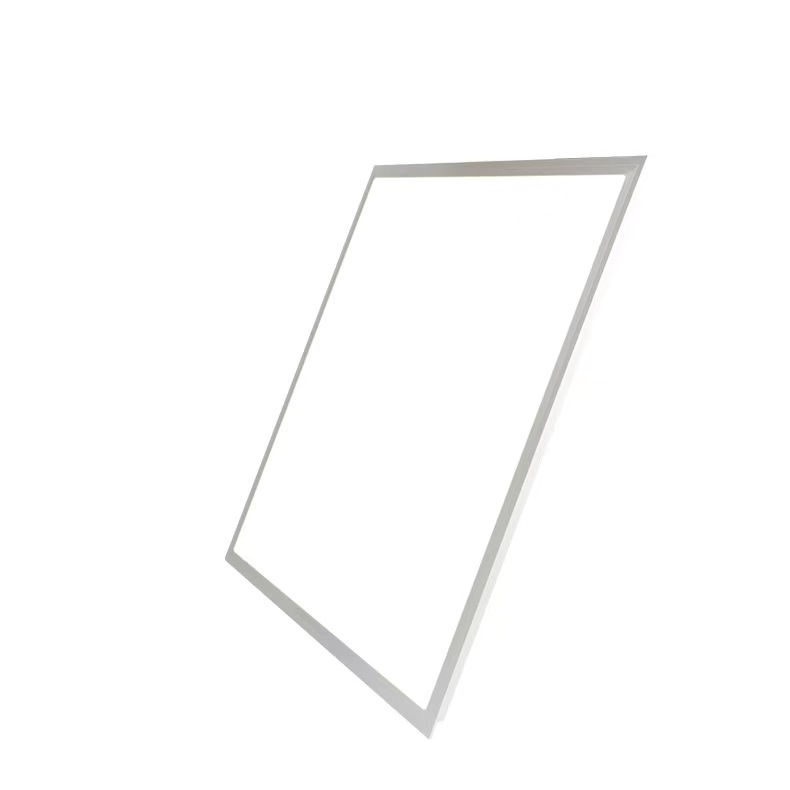
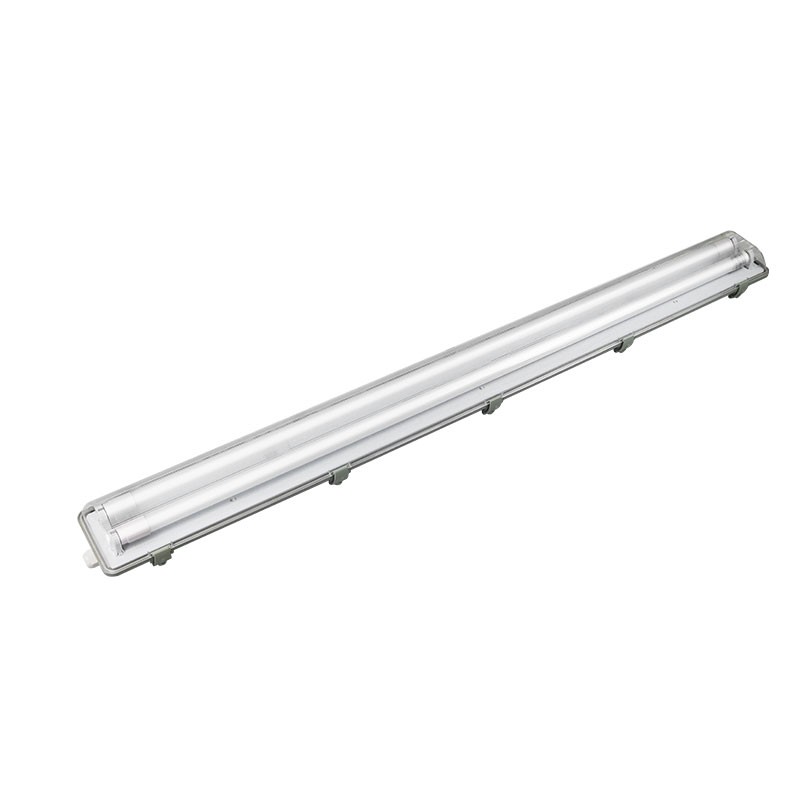
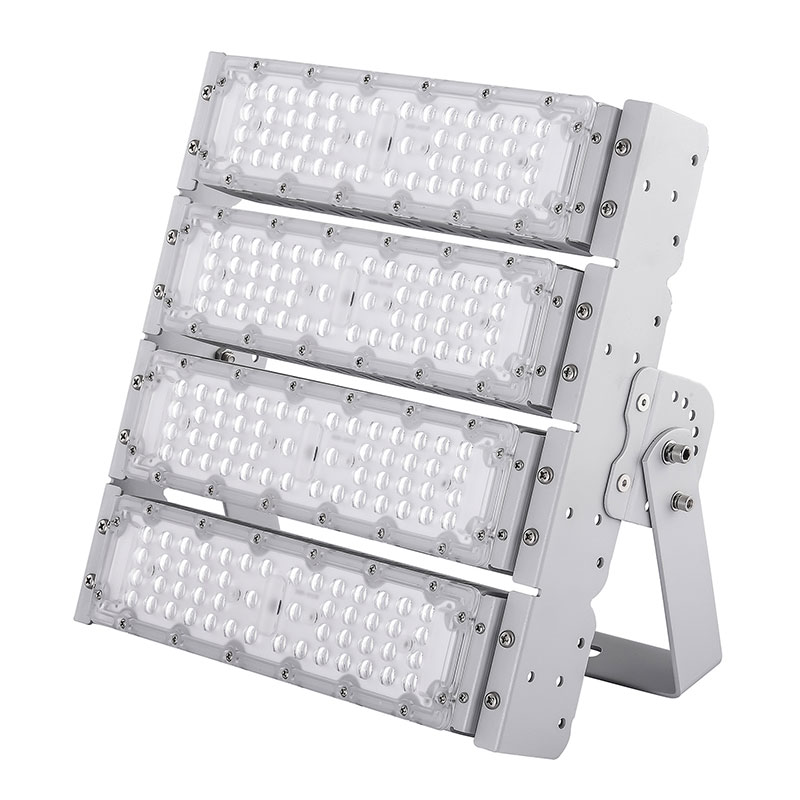


LED mining lamp factory is a specialized manufacturing facility that produces lighting solutions designed for use in mining environments. These factories are crucial in the mining industry as they supply the necessary illumination for underground operations, ensuring safety and productivity. In this article, we will delve into the world of LED mining lamp factories, exploring their significance, production processes, and the latest technological advancements in this niche market.
Significance of LED Mining Lamp Factories
LED mining lamp factories play a pivotal role in the mining industry. Traditional lighting solutions, such as incandescent or halogen lamps, have been used for years, but they come with several drawbacks. LED mining lamps, on the other hand, offer numerous advantages that make them the preferred choice for many mining operations.
Firstly, LED lamps are highly energy-efficient, consuming significantly less power than their traditional counterparts. This not only reduces operational costs but also minimizes the environmental impact. Secondly, LED lamps have a longer lifespan, which means less frequent replacements and lower maintenance costs. Lastly, LED technology provides a brighter and more focused light, enhancing visibility and safety in the challenging conditions of a mine.
Production Processes in LED Mining Lamp Factories
The production of LED mining lamps involves several key steps, each requiring precision and attention to detail. Here is an overview of the typical production process:
1. Design and Engineering: The first step is to design the lamp’s structure and components, ensuring it meets the specific requirements of mining environments. This includes considerations for durability, heat dissipation, and electrical performance.
2. Component Sourcing: High-quality components are essential for the reliability and longevity of LED mining lamps. Factories source components such as LED chips, heat sinks, lenses, and wiring from reputable suppliers.
3. Assembly: The components are assembled in a clean and controlled environment to prevent contamination. The assembly process involves soldering the LED chips to the circuit board, attaching the heat sink, and securing the lens.
4. Quality Control: Each lamp undergoes rigorous testing to ensure it meets the required safety standards and performance specifications. This includes testing for electrical safety, heat dissipation, and light output.
5. Packaging and Distribution: Once the lamps pass quality control, they are packaged in protective materials and distributed to customers around the world.
Technological Advancements in LED Mining Lamp Factories
The LED mining lamp industry has seen significant technological advancements in recent years. Here are some of the key innovations:
1. Smart Lighting: Modern LED mining lamps often come equipped with smart features, such as remote monitoring and control. This allows miners to adjust the lighting levels and direction as needed, improving safety and efficiency.
2. Customization: LED mining lamp factories can now offer customized solutions to meet the unique needs of different mining operations. This includes varying the lamp’s size, shape, and light output to suit specific applications.
3. Energy Harvesting: Some LED mining lamps are designed to harness energy from renewable sources, such as solar power. This reduces the need for traditional power sources and further minimizes the environmental impact.
4. Enhanced Safety Features: Newer models of LED mining lamps incorporate advanced safety features, such as shockproof and explosion-proof designs, to protect miners in hazardous environments.
Market Trends and Future Outlook
The LED mining lamp market is expected to grow significantly in the coming years, driven by the increasing demand for energy-efficient and safe lighting solutions in the mining industry. Here are some market trends and future outlooks:
1. Global Expansion: As mining operations expand globally, the demand for LED mining lamps is expected to rise in various regions, including Asia, Africa, and South America.
2. Regulatory Compliance: Governments and regulatory bodies are increasingly focusing on safety standards in the mining industry, which will likely drive the adoption of high-quality LED mining lamps.
3. Technological Integration: The integration of advanced technologies, such as artificial intelligence and the Internet of Things (IoT), is expected to further enhance the performance and efficiency of LED mining lamps.
4. Sustainable Practices: As the world becomes more environmentally conscious, mining companies are likely to invest in sustainable lighting solutions, such as LED mining lamps, to reduce their carbon footprint.
In conclusion, LED mining lamp factories are at the forefront of innovation in the mining industry, providing essential lighting solutions that enhance safety, efficiency, and sustainability. With ongoing technological advancements and growing market demand, the future of LED mining lamp factories looks promising, as they continue to shape the landscape of mining operations worldwide.
 English
 Afrikaans
 Albanian
 Amharic
 Arabic
 Armenian
 Azerbaijani
 Basque
 Belarusian
 Bengali
 Bosnian
 Bulgarian
 Catalan
 Cebuano
 Chichewa
 Corsican
 Croatian
 Czech
Czech Danish
 Dutch
Dutch Esperanto
 Estonian
 Filipino
 Finnish
 French
 Frisian
 Galician
 Georgian
 German
 Greek
Greek Gujarati
 Haitian Creole
 Hausa
Hausa Hawaiian
 Hebrew
 Hindi
Hindi Hmong
Hmong Hungarian
 Icelandic
 Igbo
Igbo Indonesian
 Irish
Irish Italian
 Japanese
 Javanese
 Kannada
 Kazakh
 Khmer
Khmer Korean
 Kurdish (Kurmanji)
 Kyrgyz
 Lao
Lao Latin
Latin Latvian
 Lithuanian
 Luxembourgish
 Macedonian
 Malagasy
 Malay
Malay Malayalam
 Maltese
 Maori
Maori Marathi
 Mongolian
 Myanmar (Burmese)
 Nepali
 Norwegian
 Pashto
 Persian
 Polish
 Portuguese
 Punjabi
 Romanian
 Russian
 Samoan
 Scottish Gaelic
 Serbian
 Sesotho
 Shona
Shona Sindhi
 Sinhala
 Slovak
 Slovenian
 Somali
 Spanish
 Sudanese
 Swahili
 Swedish
 Tajik
Tajik Tamil
Tamil Telugu
 Thai
Thai Turkish
 Ukrainian
 Urdu
Urdu Uzbek
Uzbek Vietnamese
 Welsh
Welsh Xhosa
Xhosa Yiddish
 Yoruba
 Zulu
Zulu
Explore More from Queendom Lamp
Stay updated with the latest LED technology, lighting solutions, and industry insights.
Request a Quote About Queendom