

3528 LEDs, also known as 3528 surface mount LEDs, have become increasingly popular in the lighting industry due to their compact size, high brightness, and energy efficiency. This article aims to provide a comprehensive introduction to the 3528 LED market, covering its history, applications, technology, and future trends.
History of 3528 LEDs
The 3528 LED was first developed in the late 1990s by Taiwanese manufacturer Epistar. It was designed to be a smaller, more energy-efficient alternative to traditional incandescent bulbs. Since then, the 3528 LED has gained widespread adoption in various applications, thanks to its compact size and high brightness.
Applications of 3528 LEDs
3528 LEDs are used in a wide range of applications, including:
– Indoor lighting: 3528 LEDs are commonly used in indoor lighting fixtures, such as ceiling lights, wall washers, and track lighting. Their compact size and high brightness make them ideal for creating a warm, inviting atmosphere in residential and commercial spaces.
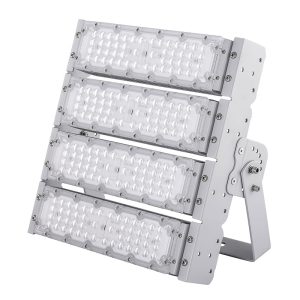
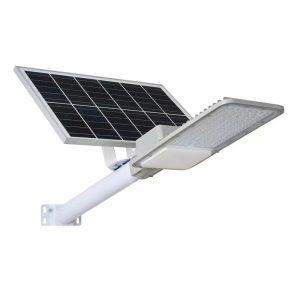
– Outdoor lighting: 3528 LEDs are also used in outdoor lighting applications, such as street lights, garden lights, and architectural lighting. Their durability and energy efficiency make them a popular choice for outdoor lighting projects.
– Display screens: 3528 LEDs are used in display screens, such as digital billboards, scoreboards, and LED TVs. Their high brightness and ability to be tightly packed together make them ideal for creating vivid, eye-catching images.
– Consumer electronics: 3528 LEDs are used in various consumer electronics devices, such as smartphones, tablets, and laptops. They provide a bright, clear display while consuming less power than traditional LEDs.
Technology of 3528 LEDs
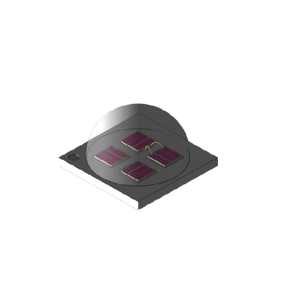
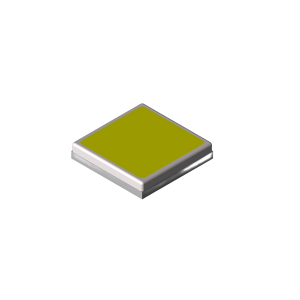
The 3528 LED is a surface mount device (SMD) that consists of a small, rectangular package containing a LED die. The package is typically made of plastic or ceramic, and it measures 3.5mm x 2.8mm. The LED die is mounted on the package and emits light when an electrical current is applied.
The key components of a 3528 LED include:
– LED die: The LED die is the core of the 3528 LED and is responsible for emitting light. The die is made of a semiconductor material, such as gallium nitride (GaN), which emits light when an electrical current is applied.
– Lead frame: The lead frame is a metal structure that provides electrical connections between the LED die and the external circuit. It also helps to dissipate heat from the LED die.
– Epitaxial layer: The epitaxial layer is a thin layer of semiconductor material that is grown on the LED die. It determines the color and brightness of the LED.
– Package material: The package material is the material used to encase the LED die and lead frame. It can be plastic, ceramic, or other materials.
Market Analysis of 3528 LEDs
The 3528 LED market has been growing steadily over the past few years, driven by increasing demand for energy-efficient lighting solutions. According to a report by Grand View Research, the global LED market is expected to reach USD 67.6 billion by 2025, with a CAGR of 8.7% from 2018 to 2025.
The following factors are driving the growth of the 3528 LED market:
– Energy efficiency: 3528 LEDs consume significantly less energy than traditional lighting sources, making them an attractive option for reducing energy costs.
– Cost-effectiveness: The production cost of 3528 LEDs has decreased over the years, making them more affordable for consumers and businesses.
– Environmental benefits: 3528 LEDs are more environmentally friendly than traditional lighting sources, as they produce less heat and have a longer lifespan.
Future Trends of 3528 LEDs
The future of the 3528 LED market looks promising, with several trends expected to shape its growth:
– Increased efficiency: Ongoing research and development efforts are focused on improving the efficiency of 3528 LEDs, which will lead to even lower energy consumption and longer lifespans.
– Color variety: As the technology advances, a wider range of colors and color temperatures will be available, providing more options for designers and consumers.
– Integration with smart technology: 3528 LEDs are expected to become more integrated with smart home and building automation systems, allowing for greater control and customization of lighting solutions.
In conclusion, 3528 LEDs have become an essential component in the lighting industry, offering a combination of compact size, high brightness, and energy efficiency. As the market continues to grow, the 3528 LED is poised to play a significant role in shaping the future of lighting technology.
 English
 Afrikaans
 Albanian
 Amharic
 Arabic
 Armenian
 Azerbaijani
 Basque
 Belarusian
 Bengali
 Bosnian
 Bulgarian
 Catalan
 Cebuano
 Chichewa
 Corsican
 Croatian
 Czech
Czech Danish
 Dutch
Dutch Esperanto
 Estonian
 Filipino
 Finnish
 French
 Frisian
 Galician
 Georgian
 German
 Greek
Greek Gujarati
 Haitian Creole
 Hausa
Hausa Hawaiian
 Hebrew
 Hindi
Hindi Hmong
Hmong Hungarian
 Icelandic
 Igbo
Igbo Indonesian
 Irish
Irish Italian
 Japanese
 Javanese
 Kannada
 Kazakh
 Khmer
Khmer Korean
 Kurdish (Kurmanji)
 Kyrgyz
 Lao
Lao Latin
Latin Latvian
 Lithuanian
 Luxembourgish
 Macedonian
 Malagasy
 Malay
Malay Malayalam
 Maltese
 Maori
Maori Marathi
 Mongolian
 Myanmar (Burmese)
 Nepali
 Norwegian
 Pashto
 Persian
 Polish
 Portuguese
 Punjabi
 Romanian
 Russian
 Samoan
 Scottish Gaelic
 Serbian
 Sesotho
 Shona
Shona Sindhi
 Sinhala
 Slovak
 Slovenian
 Somali
 Spanish
 Sudanese
 Swahili
 Swedish
 Tajik
Tajik Tamil
Tamil Telugu
 Thai
Thai Turkish
 Ukrainian
 Urdu
Urdu Uzbek
Uzbek Vietnamese
 Welsh
Welsh Xhosa
Xhosa Yiddish
 Yoruba
 Zulu
Zulu
Explore More from Queendom Lamp
Stay updated with the latest LED technology, lighting solutions, and industry insights.
Request a Quote About Queendom