
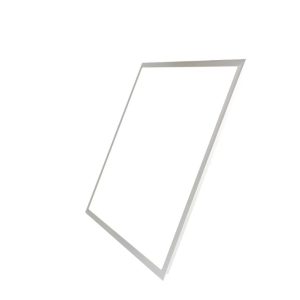
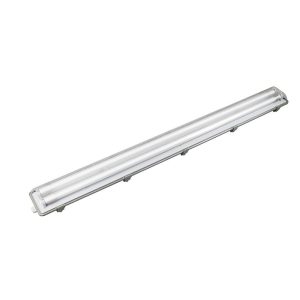
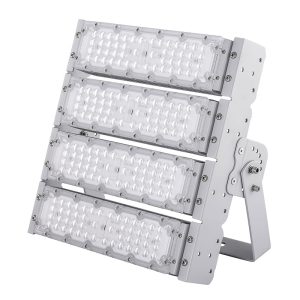
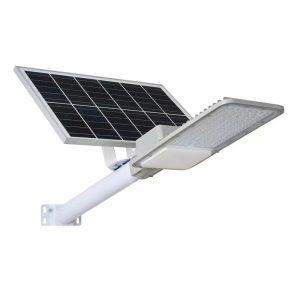
Induction ceiling light, also known as induction lighting, has become a popular choice for modern indoor lighting solutions. This innovative lighting technology offers numerous advantages over traditional lighting methods, making it a favorite among architects, designers, and homeowners. In this article, we will explore the world of induction ceiling lights, their benefits, applications, and the future of this dynamic industry.
Introduction to Induction Ceiling Light
Induction ceiling lights are based on the principle of electromagnetic induction. Unlike traditional lighting systems that rely on filaments or gas to produce light, induction lighting uses high-frequency alternating current to generate electromagnetic fields, which in turn produce light. This process results in a more efficient and longer-lasting lighting solution.
Advantages of Induction Ceiling Light
1. Energy Efficiency: Induction ceiling lights are known for their exceptional energy efficiency. They consume up to 60% less energy than traditional lighting systems, which not only reduces electricity bills but also contributes to a greener environment.
2. Longevity: Induction ceiling lights have a lifespan of up to 50,000 hours, which is five times longer than traditional lighting systems. This means less frequent replacement and maintenance, saving both time and money.
3. Instant On: Induction lighting provides instant illumination, with no warm-up time required. This feature is particularly beneficial in areas where immediate lighting is essential, such as emergency exits or parking garages.
4. High Color Rendering Index (CRI): Induction ceiling lights offer a high CRI, which ensures that colors appear natural and true. This is crucial for applications where accurate color representation is necessary, such as art galleries or retail stores.
5. Low Maintenance: Induction lighting systems require minimal maintenance, as there are no bulbs or ballasts to replace. This reduces downtime and labor costs for facility managers.
Applications of Induction Ceiling Light
Induction ceiling lights are suitable for a wide range of applications, including:
1. Commercial Buildings: Office buildings, shopping malls, and hospitals can benefit from the energy-efficient and long-lasting nature of induction lighting.
2. Industrial Facilities: Factories, warehouses, and manufacturing plants can save on energy costs and maintenance expenses with induction ceiling lights.
3. Residential Properties: Homes and apartments can enjoy the aesthetic appeal and cost savings of induction lighting.
4. Public Spaces: Schools, libraries, and public transportation terminals can benefit from the high efficiency and low maintenance of induction ceiling lights.
5. Outdoor Lighting: Induction lighting is also suitable for outdoor applications, such as streetlights, parking garages, and sports facilities.
Challenges and Solutions in the Induction Ceiling Light Industry
While induction ceiling lights offer numerous advantages, the industry faces several challenges:
1. Initial Cost: Induction lighting systems can be more expensive to install than traditional lighting systems. However, the long-term savings in energy costs and maintenance can offset this initial investment.
2. Compatibility: Some older buildings may not be compatible with induction lighting systems due to their electrical infrastructure. Upgrading the electrical system may be necessary to accommodate induction lighting.
3. Market Acceptance: As a relatively new technology, induction lighting may not be as widely accepted as traditional lighting methods. However, as more people become aware of its benefits, market acceptance is expected to increase.
To address these challenges, manufacturers are continuously working on improving the technology and reducing costs. Additionally, governments and organizations are promoting the use of energy-efficient lighting solutions, which can help accelerate the adoption of induction ceiling lights.
The Future of Induction Ceiling Light
The future of induction ceiling light looks promising, with several trends shaping the industry:
1. Integration with Smart Lighting Systems: Induction ceiling lights can be integrated with smart lighting systems, allowing for better control and management of lighting in various settings.
2. Improved Efficiency: Manufacturers are continuously working on enhancing the efficiency of induction lighting, aiming to further reduce energy consumption and costs.
3. Customization: As demand for customized lighting solutions increases, induction ceiling lights are expected to offer more options in terms of design, color temperature, and lumens output.
4. Increased Market Share: With the growing awareness of energy-efficient lighting solutions, induction ceiling lights are expected to capture a larger share of the global lighting market.
In conclusion, induction ceiling lights have emerged as a game-changer in the lighting industry. Their energy efficiency, longevity, and versatility make them an ideal choice for a wide range of applications. As technology continues to evolve, induction ceiling lights are poised to become an even more integral part of modern lighting solutions.
 English
 Afrikaans
 Albanian
 Amharic
 Arabic
 Armenian
 Azerbaijani
 Basque
 Belarusian
 Bengali
 Bosnian
 Bulgarian
 Catalan
 Cebuano
 Chichewa
 Corsican
 Croatian
 Czech
Czech Danish
 Dutch
Dutch Esperanto
 Estonian
 Filipino
 Finnish
 French
 Frisian
 Galician
 Georgian
 German
 Greek
Greek Gujarati
 Haitian Creole
 Hausa
Hausa Hawaiian
 Hebrew
 Hindi
Hindi Hmong
Hmong Hungarian
 Icelandic
 Igbo
Igbo Indonesian
 Irish
Irish Italian
 Japanese
 Javanese
 Kannada
 Kazakh
 Khmer
Khmer Korean
 Kurdish (Kurmanji)
 Kyrgyz
 Lao
Lao Latin
Latin Latvian
 Lithuanian
 Luxembourgish
 Macedonian
 Malagasy
 Malay
Malay Malayalam
 Maltese
 Maori
Maori Marathi
 Mongolian
 Myanmar (Burmese)
 Nepali
 Norwegian
 Pashto
 Persian
 Polish
 Portuguese
 Punjabi
 Romanian
 Russian
 Samoan
 Scottish Gaelic
 Serbian
 Sesotho
 Shona
Shona Sindhi
 Sinhala
 Slovak
 Slovenian
 Somali
 Spanish
 Sudanese
 Swahili
 Swedish
 Tajik
Tajik Tamil
Tamil Telugu
 Thai
Thai Turkish
 Ukrainian
 Urdu
Urdu Uzbek
Uzbek Vietnamese
 Welsh
Welsh Xhosa
Xhosa Yiddish
 Yoruba
 Zulu
Zulu
Explore More from Queendom Lamp
Stay updated with the latest LED technology, lighting solutions, and industry insights.
Request a Quote About Queendom