







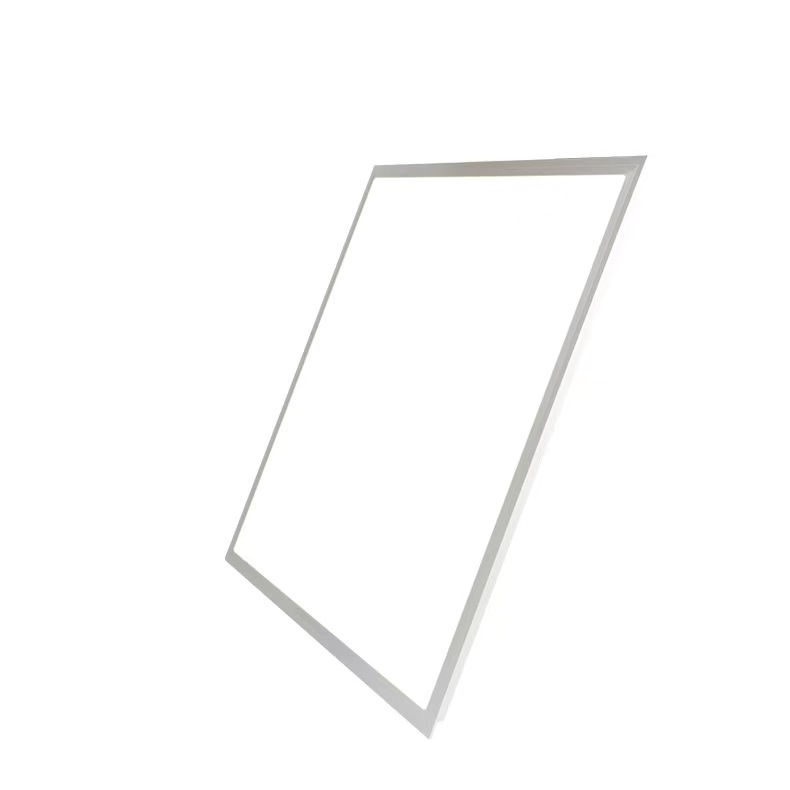
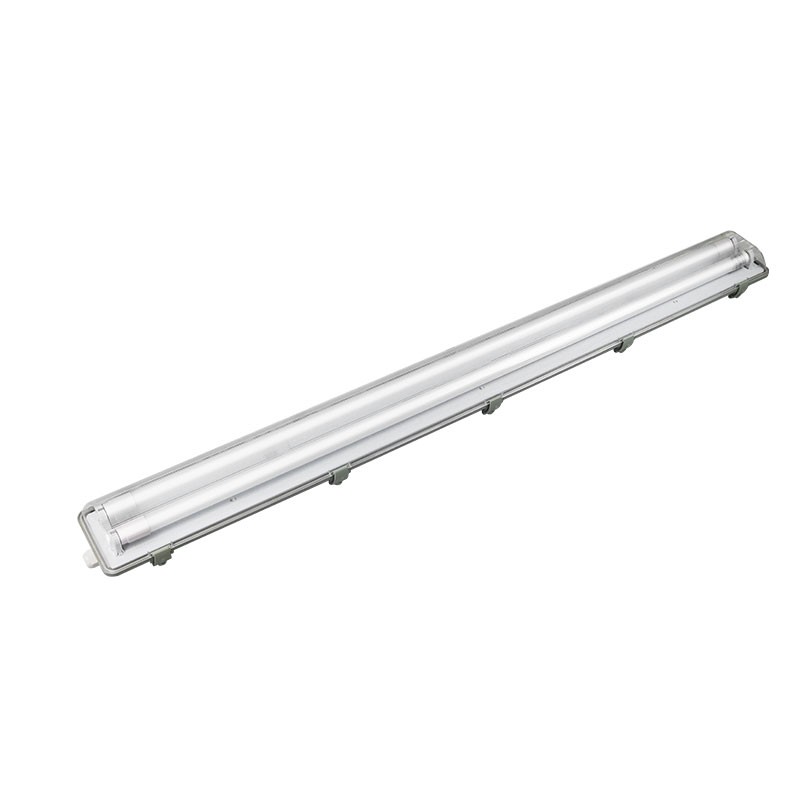
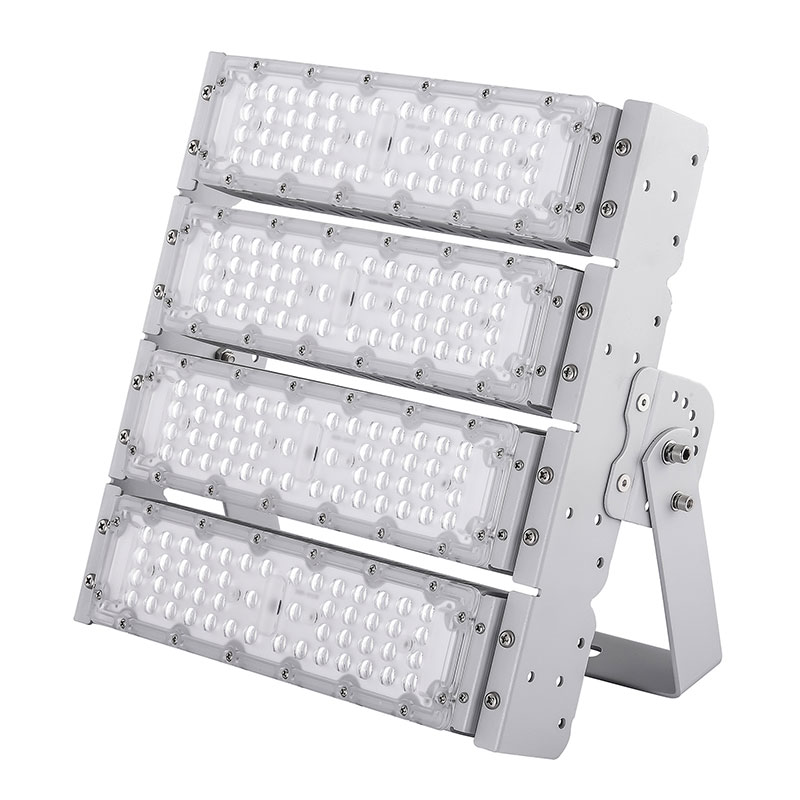


High watt LED, or high-power light-emitting diode, has emerged as a revolutionary technology in the lighting industry. These LEDs are designed to emit a significant amount of light, making them ideal for large-scale applications such as street lighting, industrial facilities, and outdoor sports venues. This article delves into the world of high watt LEDs, exploring their technology, applications, benefits, and future prospects.
Introduction to High Watt LEDs
High watt LEDs are a type of LED that operates at a higher power level than standard LEDs. While standard LEDs typically range from 0.1 to 3 watts, high watt LEDs can produce anywhere from 5 to 200 watts of light. This increased power output is achieved by using larger semiconductor chips and more sophisticated heat management systems.
How High Watt LEDs Work
The working principle of high watt LEDs is similar to that of standard LEDs. They consist of a semiconductor material that emits light when an electric current passes through it. In high watt LEDs, the semiconductor material is usually a combination of gallium nitride (GaN), indium gallium nitride (InGaN), or aluminum gallium indium phosphide (AlGaInP). These materials are chosen for their ability to emit light efficiently at high power levels.
When an electric current is applied to the semiconductor material, electrons and holes recombine, releasing energy in the form of photons. The color of the light emitted depends on the composition of the semiconductor material. High watt LEDs can produce a wide range of colors, from cool white to warm white, and even red, blue, and green.
Design and Construction
The design and construction of high watt LEDs are crucial for their performance and longevity. These LEDs are typically encapsulated in a transparent or diffused lens to direct the light and enhance its output. The housing is made of materials that can withstand high temperatures and are resistant to moisture and corrosion.
One of the key components of high watt LEDs is the heat sink. This is a device that dissipates the heat generated by the LED, preventing overheating and ensuring the LED operates within its specified temperature range. Heat sinks can be made of aluminum, copper, or other heat-conductive materials, and may include fins or ribs to increase surface area and improve heat dissipation.
Applications of High Watt LEDs
High watt LEDs are widely used in various applications due to their high light output and energy efficiency. Some of the most common uses include:
– Street Lighting: High watt LEDs are increasingly replacing traditional street lights, such as high-pressure sodium (HPS) and metal halide (MH) lamps, due to their lower energy consumption and longer lifespan.
– Industrial Lighting: Factories, warehouses, and other industrial settings benefit from the high-intensity light output of high watt LEDs, which can significantly reduce energy costs.
– Outdoor Sports Venues: High watt LEDs are used to illuminate sports fields, stadiums, and arenas, providing clear and consistent lighting for players and spectators.
– Architectural Lighting: High watt LEDs are used in architectural lighting designs to create dynamic and visually appealing lighting effects.
Benefits of High Watt LEDs
High watt LEDs offer several benefits over traditional lighting technologies:
– Energy Efficiency: High watt LEDs consume significantly less energy than traditional lighting sources, resulting in lower energy bills and reduced carbon emissions.
– Longevity: High watt LEDs have a much longer lifespan than traditional lighting sources, often lasting 20,000 to 50,000 hours or more.
– Color Quality: High watt LEDs can produce a wide range of colors and are available in various color temperatures, making them versatile for different applications.
– Environmental Impact: High watt LEDs are environmentally friendly, as they contain no harmful substances like mercury and are recyclable.
Challenges and Future Prospects
Despite their many benefits, high watt LEDs face several challenges:
– Heat Management: Efficient heat dissipation is crucial for the performance and longevity of high watt LEDs. Ongoing research and development are focused on improving heat sink designs and materials.
– Cost: While the cost of high watt LEDs has decreased over the years, they can still be more expensive than traditional lighting sources, particularly for large-scale installations.
– Color Rendering Index (CRI): Some high watt LEDs may have lower CRI values, which can affect the perceived color of illuminated objects.
Looking ahead, the future of high watt LEDs looks promising. As technology advances, we can expect to see further improvements in energy efficiency, cost, and color quality. Innovations in materials, design, and manufacturing processes will continue to drive the adoption of high watt LEDs in a wide range of applications, making them an even more attractive option for businesses and consumers alike.
 English
 Afrikaans
 Albanian
 Amharic
 Arabic
 Armenian
 Azerbaijani
 Basque
 Belarusian
 Bengali
 Bosnian
 Bulgarian
 Catalan
 Cebuano
 Chichewa
 Corsican
 Croatian
 Czech
Czech Danish
 Dutch
Dutch Esperanto
 Estonian
 Filipino
 Finnish
 French
 Frisian
 Galician
 Georgian
 German
 Greek
Greek Gujarati
 Haitian Creole
 Hausa
Hausa Hawaiian
 Hebrew
 Hindi
Hindi Hmong
Hmong Hungarian
 Icelandic
 Igbo
Igbo Indonesian
 Irish
Irish Italian
 Japanese
 Javanese
 Kannada
 Kazakh
 Khmer
Khmer Korean
 Kurdish (Kurmanji)
 Kyrgyz
 Lao
Lao Latin
Latin Latvian
 Lithuanian
 Luxembourgish
 Macedonian
 Malagasy
 Malay
Malay Malayalam
 Maltese
 Maori
Maori Marathi
 Mongolian
 Myanmar (Burmese)
 Nepali
 Norwegian
 Pashto
 Persian
 Polish
 Portuguese
 Punjabi
 Romanian
 Russian
 Samoan
 Scottish Gaelic
 Serbian
 Sesotho
 Shona
Shona Sindhi
 Sinhala
 Slovak
 Slovenian
 Somali
 Spanish
 Sudanese
 Swahili
 Swedish
 Tajik
Tajik Tamil
Tamil Telugu
 Thai
Thai Turkish
 Ukrainian
 Urdu
Urdu Uzbek
Uzbek Vietnamese
 Welsh
Welsh Xhosa
Xhosa Yiddish
 Yoruba
 Zulu
Zulu