

High output LED lamps have revolutionized the lighting industry, offering a combination of energy efficiency, long lifespan, and versatile applications. These lamps have become the preferred choice for various commercial, industrial, and residential settings due to their exceptional performance and cost-effectiveness. This article delves into the evolution, technology, applications, and future trends of high output LED lamps, providing a comprehensive overview of this dynamic sector.
Introduction to High Output LED Lamps
High output LED lamps, also known as high-brightness LED (HBLED) lamps, are designed to emit a significant amount of light while consuming less energy compared to traditional lighting sources. The term “high output” refers to the high lumen output, which is the measure of the total amount of visible light emitted by a light source. These lamps have become increasingly popular due to their numerous advantages over conventional lighting technologies.
Evolution of LED Technology
The evolution of LED technology has been a key factor in the rise of high output LED lamps. Initially, LEDs were limited to low-power applications, such as indicator lights and small displays. However, advancements in materials science, chip design, and packaging techniques have led to the development of high-output LEDs capable of producing hundreds or even thousands of lumens.
Materials and Chip Design
The materials used in high output LED lamps play a crucial role in their performance. The most common materials include gallium nitride (GaN), aluminum gallium indium phosphide (AlGaInP), and silicon carbide (SiC). These materials allow for the creation of efficient and durable LEDs that can emit a wide range of colors and intensities.
The chip design is another critical factor. High-output LED chips are typically larger than those used in low-power applications, allowing for more light to be emitted. Chip manufacturers have also focused on optimizing the internal structure of the chips to reduce thermal resistance and enhance light extraction efficiency.
Packaging and Heat Management
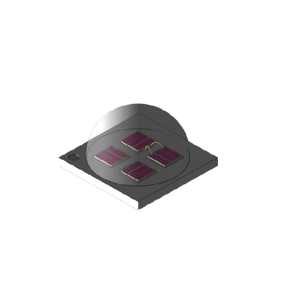
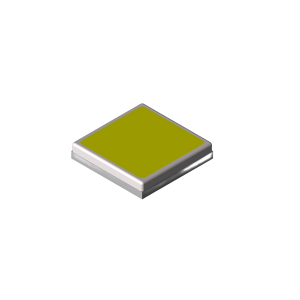
Effective packaging and heat management are essential for high output LED lamps to ensure optimal performance and longevity. LED packaging involves mounting the LED chip onto a substrate, such as a ceramic or metal plate, and encapsulating it with a clear or colored epoxy to protect it from environmental factors.
Heat dissipation is a significant challenge in high output LED lamps. To address this, advanced thermal management techniques are employed, including the use of heat sinks, heat spreaders, and thermal interfaces. These methods help to dissipate the heat generated by the LED, preventing overheating and extending the lifespan of the lamp.
Applications of High Output LED Lamps
High output LED lamps are used in a wide range of applications, including:
– Commercial Lighting: Office buildings, retail spaces, and other commercial settings benefit from the energy savings and long lifespan of high output LED lamps.
– Industrial Lighting: Factories, warehouses, and manufacturing facilities require robust lighting solutions that can withstand harsh conditions and provide ample illumination.
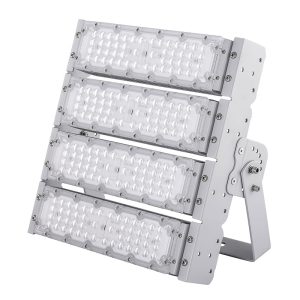
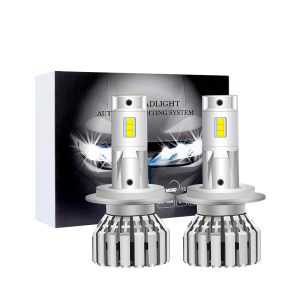
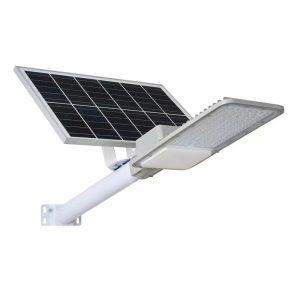
– Transportation: High output LED lamps are used in automotive lighting, street lighting, and traffic signals, offering improved visibility and energy efficiency.
– Residential Lighting: LED lamps are becoming increasingly popular in homes for their energy savings and ability to produce a wide range of colors and intensities.
Market Trends and Challenges
The high output LED lamp market is expected to grow significantly in the coming years, driven by factors such as increasing energy costs, environmental concerns, and technological advancements. However, the market also faces challenges, including:
– Competition: The lighting industry is highly competitive, with numerous manufacturers vying for market share.
– Regulations: Governments around the world are implementing energy efficiency standards that can impact the market for high output LED lamps.
– Cost: While high output LED lamps are more energy-efficient than traditional lighting sources, they can still be expensive to produce, which can limit their adoption in some markets.
Future Trends
The future of high output LED lamps is promising, with several trends expected to shape the industry:
– Further Efficiency Improvements: Researchers and engineers are continuously working to improve the efficiency of high output LED lamps, aiming to produce more light with less energy.
– Customization: The ability to produce high output LED lamps with specific color temperatures and intensities will become more prevalent, catering to the diverse needs of different applications.
– Integration: High output LED lamps are likely to be integrated with smart technology, allowing for remote control, energy management, and adaptive lighting solutions.
In conclusion, high output LED lamps have become a cornerstone of the lighting industry, offering numerous benefits over traditional lighting technologies. As technology continues to advance and market demand grows, high output LED lamps are poised to play an even more significant role in the global lighting landscape.
 English
 Afrikaans
 Albanian
 Amharic
 Arabic
 Armenian
 Azerbaijani
 Basque
 Belarusian
 Bengali
 Bosnian
 Bulgarian
 Catalan
 Cebuano
 Chichewa
 Corsican
 Croatian
 Czech
Czech Danish
 Dutch
Dutch Esperanto
 Estonian
 Filipino
 Finnish
 French
 Frisian
 Galician
 Georgian
 German
 Greek
Greek Gujarati
 Haitian Creole
 Hausa
Hausa Hawaiian
 Hebrew
 Hindi
Hindi Hmong
Hmong Hungarian
 Icelandic
 Igbo
Igbo Indonesian
 Irish
Irish Italian
 Japanese
 Javanese
 Kannada
 Kazakh
 Khmer
Khmer Korean
 Kurdish (Kurmanji)
 Kyrgyz
 Lao
Lao Latin
Latin Latvian
 Lithuanian
 Luxembourgish
 Macedonian
 Malagasy
 Malay
Malay Malayalam
 Maltese
 Maori
Maori Marathi
 Mongolian
 Myanmar (Burmese)
 Nepali
 Norwegian
 Pashto
 Persian
 Polish
 Portuguese
 Punjabi
 Romanian
 Russian
 Samoan
 Scottish Gaelic
 Serbian
 Sesotho
 Shona
Shona Sindhi
 Sinhala
 Slovak
 Slovenian
 Somali
 Spanish
 Sudanese
 Swahili
 Swedish
 Tajik
Tajik Tamil
Tamil Telugu
 Thai
Thai Turkish
 Ukrainian
 Urdu
Urdu Uzbek
Uzbek Vietnamese
 Welsh
Welsh Xhosa
Xhosa Yiddish
 Yoruba
 Zulu
Zulu
Explore More from Queendom Lamp
Stay updated with the latest LED technology, lighting solutions, and industry insights.
Request a Quote About Queendom