

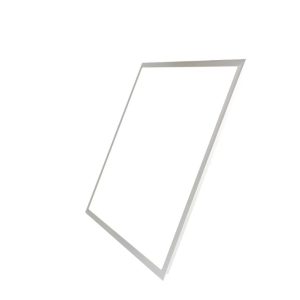
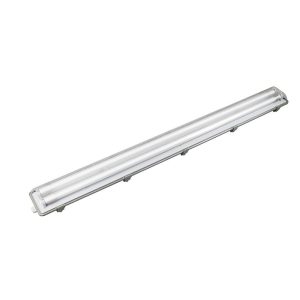
LED induction ceiling lamp, a cutting-edge lighting solution, has gained significant popularity in the modern lighting industry. This innovative technology combines the efficiency of LED lighting with the advanced induction method, offering a superior lighting experience. In this article, we will delve into the details of LED induction ceiling lamps, their benefits, applications, and the future trends in this domain.
Introduction to LED Induction Ceiling Lamp
LED induction ceiling lamps are a type of lighting fixture that utilizes the principle of electromagnetic induction to generate light. Unlike traditional lighting methods, which rely on filaments or gas discharge, LED induction lamps use a magnetic field to excite phosphor powder, which then emits light. This technology not only provides a high-quality light output but also offers several advantages over conventional lighting solutions.
How LED Induction Ceiling Lamps Work
The working principle of LED induction ceiling lamps involves the following steps:
1. Magnetic Field Generation: The lamp contains a high-frequency transformer that generates a strong magnetic field.
2. Phosphor Powder Excitation: The magnetic field excites a layer of phosphor powder coated on the inner surface of the glass tube.
3. Light Emission: The excited phosphor powder emits light, which is then diffused through the glass tube to provide a uniform and soft light distribution.
This process is highly efficient, as it converts a significant portion of the electrical energy into light, with minimal heat generation.
Benefits of LED Induction Ceiling Lamps
LED induction ceiling lamps offer several advantages that make them a preferred choice for various applications:
1. Energy Efficiency: These lamps are highly energy-efficient, consuming up to 80% less energy than traditional lighting solutions.
2. Longevity: LED induction lamps have a long lifespan, typically ranging from 20,000 to 50,000 hours, which reduces maintenance and replacement costs.
3. Low Heat Output: The lamps generate minimal heat, making them suitable for use in areas where heat can be a concern, such as near sensitive equipment or in crowded spaces.
4. Environmental Friendly: LED induction lamps are free from harmful substances like mercury, making them environmentally friendly.
5. Wide Range of Applications: These lamps are versatile and can be used in various settings, including offices, schools, hospitals, and residential buildings.
Applications of LED Induction Ceiling Lamps
The versatility of LED induction ceiling lamps makes them suitable for a wide range of applications:
1. Commercial Spaces: These lamps are commonly used in office buildings, shopping malls, and hotels due to their energy efficiency and aesthetic appeal.
2. Industrial Settings: LED induction ceiling lamps are ideal for industrial environments, where they provide bright, uniform lighting while minimizing heat generation.
3. Residential Buildings: These lamps are gaining popularity in residential settings, offering a stylish and energy-efficient lighting solution for homes.
4. Public Facilities: Hospitals, schools, and government buildings are increasingly adopting LED induction ceiling lamps for their cost-saving and environmental benefits.
Market Trends and Future Outlook
The LED induction ceiling lamp market is witnessing rapid growth, driven by factors such as increasing energy costs, environmental concerns, and technological advancements. Here are some key trends and future outlooks:
1. Increased Adoption: As awareness of energy-efficient lighting solutions grows, the adoption of LED induction ceiling lamps is expected to rise significantly.
2. Innovation: Manufacturers are continuously working on improving the efficiency, lifespan, and design of LED induction ceiling lamps.
3. Smart Lighting: Integration of smart lighting technologies with LED induction ceiling lamps is expected to become more prevalent, allowing for better control and management of lighting systems.
4. Regulatory Push: Governments around the world are implementing regulations that promote the use of energy-efficient lighting solutions, which is likely to further boost the market for LED induction ceiling lamps.
Conclusion
LED induction ceiling lamps represent a significant advancement in the lighting industry, offering a combination of energy efficiency, longevity, and versatility. As technology continues to evolve, these lamps are poised to become an integral part of modern lighting solutions, contributing to a more sustainable and cost-effective future.
 English
 Afrikaans
 Albanian
 Amharic
 Arabic
 Armenian
 Azerbaijani
 Basque
 Belarusian
 Bengali
 Bosnian
 Bulgarian
 Catalan
 Cebuano
 Chichewa
 Corsican
 Croatian
 Czech
Czech Danish
 Dutch
Dutch Esperanto
 Estonian
 Filipino
 Finnish
 French
 Frisian
 Galician
 Georgian
 German
 Greek
Greek Gujarati
 Haitian Creole
 Hausa
Hausa Hawaiian
 Hebrew
 Hindi
Hindi Hmong
Hmong Hungarian
 Icelandic
 Igbo
Igbo Indonesian
 Irish
Irish Italian
 Japanese
 Javanese
 Kannada
 Kazakh
 Khmer
Khmer Korean
 Kurdish (Kurmanji)
 Kyrgyz
 Lao
Lao Latin
Latin Latvian
 Lithuanian
 Luxembourgish
 Macedonian
 Malagasy
 Malay
Malay Malayalam
 Maltese
 Maori
Maori Marathi
 Mongolian
 Myanmar (Burmese)
 Nepali
 Norwegian
 Pashto
 Persian
 Polish
 Portuguese
 Punjabi
 Romanian
 Russian
 Samoan
 Scottish Gaelic
 Serbian
 Sesotho
 Shona
Shona Sindhi
 Sinhala
 Slovak
 Slovenian
 Somali
 Spanish
 Sudanese
 Swahili
 Swedish
 Tajik
Tajik Tamil
Tamil Telugu
 Thai
Thai Turkish
 Ukrainian
 Urdu
Urdu Uzbek
Uzbek Vietnamese
 Welsh
Welsh Xhosa
Xhosa Yiddish
 Yoruba
 Zulu
Zulu
Explore More from Queendom Lamp
Stay updated with the latest LED technology, lighting solutions, and industry insights.
Request a Quote About Queendom