

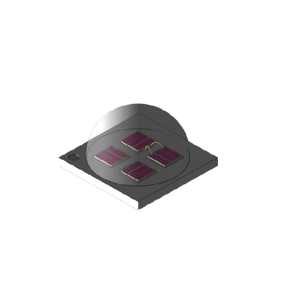
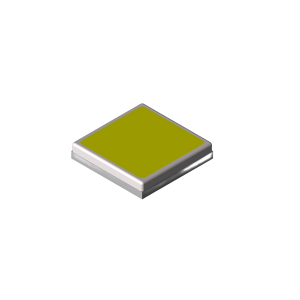

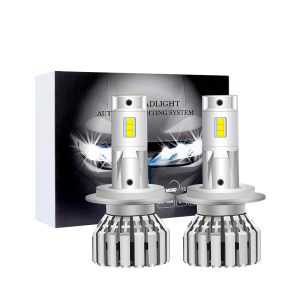
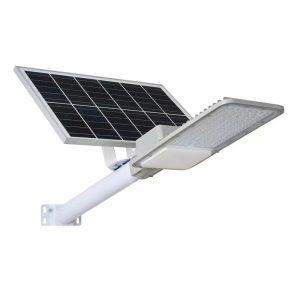
With the rapid development of technology and the increasing demand for energy-efficient lighting solutions, SMD LED lights have emerged as a leading choice in the lighting industry. These compact, durable, and highly efficient lights have revolutionized the way we illuminate our spaces, from homes to commercial buildings and beyond. This article aims to provide a comprehensive introduction to the SMD LED lights industry, covering their history, technology, applications, and future prospects.
History of SMD LED Lights
The concept of SMD (Surface Mount Device) technology was first introduced in the 1960s, but it wasn’t until the 1990s that SMD LEDs started to gain traction in the lighting industry. Initially, SMD LEDs were used in niche applications due to their high cost and limited efficiency compared to traditional lighting solutions. However, advancements in semiconductor technology and manufacturing processes have led to significant improvements in both cost and performance, making SMD LED lights a popular choice for various lighting applications.
Technology Behind SMD LED Lights
SMD LED lights are based on the principle of light emission from a semiconductor material when an electric current is applied. The semiconductor material, typically gallium nitride (GaN), is sandwiched between two other materials, such as aluminum nitride (AlN) and sapphire, to create a diode. When an electric current passes through the diode, electrons recombine with electron holes, releasing energy in the form of light. The light emitted is then directed through a lens or a diffuser to produce a desired light pattern.
One of the key advantages of SMD LED technology is its ability to produce a wide range of colors by varying the composition of the semiconductor material. This flexibility allows for the creation of white light by mixing different colors of light, which is essential for general lighting applications.
Applications of SMD LED Lights
SMD LED lights have found their way into numerous applications across various industries. Some of the most common uses include:
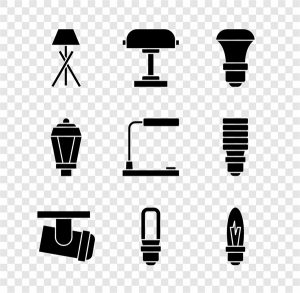
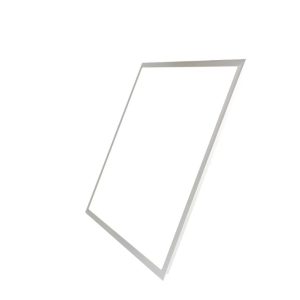
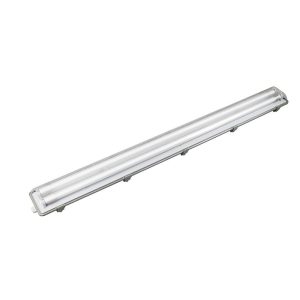
- General Lighting: SMD LED bulbs, tubes, and panels are widely used for residential, commercial, and industrial lighting. They offer significant energy savings and a longer lifespan compared to traditional incandescent, halogen, and fluorescent lights.
- Automotive Lighting: SMD LEDs are increasingly being used in automotive lighting, including headlights, taillights, and interior lighting. Their compact size, high efficiency, and durability make them ideal for modern vehicle design.
- Display and Signage: SMD LED lights are commonly used in digital billboards, signage, and display screens due to their bright, clear, and energy-efficient characteristics.
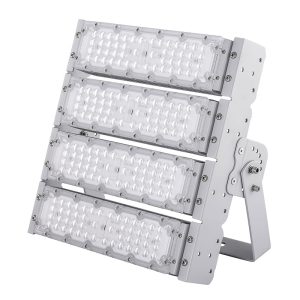
- Outdoor Lighting: SMD LED lights are popular for outdoor applications such as street lighting, garden lighting, and security lighting. They provide excellent visibility while consuming less energy than traditional outdoor lighting solutions.
- Medical and Healthcare: SMD LED lights are used in medical equipment, surgical lighting, and patient care areas due to their consistent color temperature and low heat output.
Market Trends and Challenges
The SMD LED lights market has been experiencing steady growth over the past decade, driven by factors such as increasing energy costs, environmental concerns, and technological advancements. However, the industry faces several challenges, including:
- Competition: The market is highly competitive, with numerous manufacturers producing SMD LED lights. This competition can lead to price wars and reduced profit margins.
- Regulatory Compliance: Governments around the world are implementing strict regulations on energy efficiency and light quality, which can be challenging for manufacturers to comply with.
- Raw Material Prices: The prices of raw materials, such as gallium nitride and indium, can fluctuate significantly, impacting the cost of SMD LED lights.
- Quality Control: Ensuring consistent quality in SMD LED lights is crucial, as poor-quality products can damage the reputation of the industry.
Future Prospects
The future of the SMD LED lights industry looks promising, with several trends expected to shape its growth:
- Increased Efficiency: Continuous research and development efforts are focused on improving the efficiency of SMD LEDs, which will lead to even greater energy savings.
- Miniaturization: As technology advances, SMD LEDs are expected to become even smaller, enabling new applications and designs.
- Customization: The ability to produce SMD LEDs in a wide range of colors and intensities will allow for more customized lighting solutions for specific applications.
- Integration: SMD LEDs are likely to be integrated with other technologies, such as smart sensors and wireless communication, to create smart lighting systems.
In conclusion, SMD LED lights have become an integral part of the lighting industry, offering numerous benefits over traditional lighting solutions. As technology continues to evolve, the SMD LED lights industry is poised for further growth and innovation, shaping the future of lighting for years to come.
 English
 Afrikaans
 Albanian
 Amharic
 Arabic
 Armenian
 Azerbaijani
 Basque
 Belarusian
 Bengali
 Bosnian
 Bulgarian
 Catalan
 Cebuano
 Chichewa
 Corsican
 Croatian
 Czech
Czech Danish
 Dutch
Dutch Esperanto
 Estonian
 Filipino
 Finnish
 French
 Frisian
 Galician
 Georgian
 German
 Greek
Greek Gujarati
 Haitian Creole
 Hausa
Hausa Hawaiian
 Hebrew
 Hindi
Hindi Hmong
Hmong Hungarian
 Icelandic
 Igbo
Igbo Indonesian
 Irish
Irish Italian
 Japanese
 Javanese
 Kannada
 Kazakh
 Khmer
Khmer Korean
 Kurdish (Kurmanji)
 Kyrgyz
 Lao
Lao Latin
Latin Latvian
 Lithuanian
 Luxembourgish
 Macedonian
 Malagasy
 Malay
Malay Malayalam
 Maltese
 Maori
Maori Marathi
 Mongolian
 Myanmar (Burmese)
 Nepali
 Norwegian
 Pashto
 Persian
 Polish
 Portuguese
 Punjabi
 Romanian
 Russian
 Samoan
 Scottish Gaelic
 Serbian
 Sesotho
 Shona
Shona Sindhi
 Sinhala
 Slovak
 Slovenian
 Somali
 Spanish
 Sudanese
 Swahili
 Swedish
 Tajik
Tajik Tamil
Tamil Telugu
 Thai
Thai Turkish
 Ukrainian
 Urdu
Urdu Uzbek
Uzbek Vietnamese
 Welsh
Welsh Xhosa
Xhosa Yiddish
 Yoruba
 Zulu
Zulu
Explore More from Queendom Lamp
Stay updated with the latest LED technology, lighting solutions, and industry insights.
Request a Quote About Queendom