




SMD LED light bulbs have revolutionized the lighting industry with their energy efficiency, long lifespan, and versatile applications. These compact and durable bulbs have become a popular choice for both residential and commercial lighting solutions. In this article, we will delve into the details of SMD LED light bulbs, exploring their manufacturing process, technological advancements, market trends, and future prospects.
Introduction to SMD LED Light Bulbs
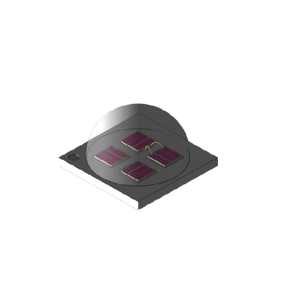
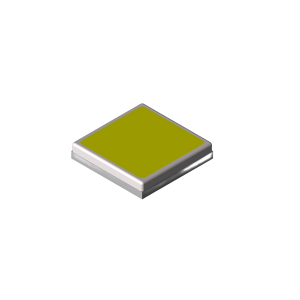
SMD LED light bulbs, also known as surface mount LED bulbs, are a type of LED lighting that utilizes Surface Mount Technology (SMT) to mount the LED chips directly onto the circuit board. This technology allows for a more compact and efficient design, making SMD LEDs ideal for various lighting applications. The bulbs come in different shapes, sizes, and color temperatures, catering to diverse lighting needs.
Manufacturing Process
The manufacturing process of SMD LED light bulbs involves several key steps:
1. Designing the Circuit Board: The first step is to design the circuit board that will house the LED chips. This involves determining the size, shape, and material of the board.
2. Soldering the LED Chips: The LED chips are then soldered onto the circuit board. This is done using a pick and place machine, which ensures precision and efficiency.
3. Mounting the Heat Sink: A heat sink is mounted on the back of the circuit board to dissipate heat and maintain the LED’s temperature.
4. Encapsulation: The LED assembly is encapsulated in a clear or colored lens to protect the components and provide a diffused light output.
5. Quality Control: Finally, the light bulbs undergo rigorous quality control checks to ensure they meet the required standards.
Technological Advancements
The SMD LED technology has seen significant advancements over the years, contributing to the bulb’s popularity:
1. Increased Efficiency: The efficiency of SMD LEDs has improved significantly, allowing for more light output with less energy consumption.
2. Better Heat Management: Advanced materials and designs have been introduced to enhance heat dissipation, ensuring the longevity of the bulbs.
3. Color Consistency: The color consistency of SMD LEDs has improved, providing a more uniform and pleasant light experience.
4. Customization: SMD LEDs can be customized in terms of color, brightness, and beam angle, making them suitable for various lighting applications.
Market Trends
The market for SMD LED light bulbs has been growing steadily due to several factors:
1. Energy Savings: The high energy efficiency of SMD LEDs has made them an attractive option for reducing energy costs.
2. Environmental Benefits: The long lifespan of SMD LEDs reduces the frequency of bulb replacements, leading to less waste and a smaller carbon footprint.
3. Government Incentives: Many governments around the world offer incentives for using energy-efficient lighting solutions, including SMD LED bulbs.
4. Technological Innovation: Continuous technological advancements are driving the demand for SMD LED bulbs, as consumers seek better lighting solutions.
Applications
SMD LED light bulbs find applications in various settings:
1. Residential Lighting: SMD LEDs are commonly used in homes for general lighting, task lighting, and decorative purposes.
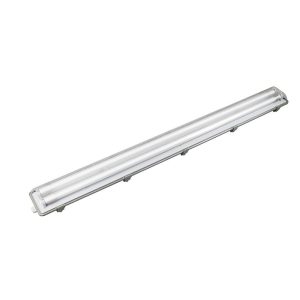
2. Commercial Lighting: The commercial sector, including offices, retail spaces, and hospitality, utilizes SMD LEDs for energy-efficient and durable lighting solutions.
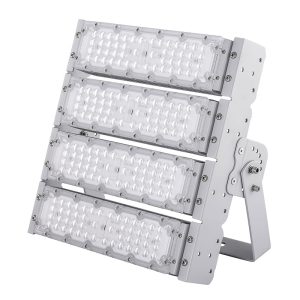
3. Industrial Lighting: SMD LEDs are used in industrial settings for high-bay lighting, which requires bright and durable bulbs.
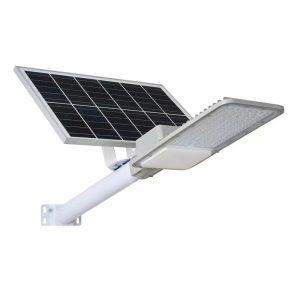
4. Outdoor Lighting: SMD LEDs are suitable for outdoor lighting, including streetlights, pathway lights, and decorative lights.
Future Prospects
The future of SMD LED light bulbs looks promising, with several trends shaping the industry:
1. Further Efficiency Improvements: Ongoing research and development efforts are aimed at enhancing the energy efficiency of SMD LEDs.
2. Smart Lighting Solutions: The integration of SMD LEDs with smart technology is expected to grow, allowing for better control and customization of lighting.
3. Customization and Personalization: As technology advances, SMD LEDs will offer more customization options, catering to individual preferences and specific lighting needs.
4. Global Market Expansion: The increasing demand for energy-efficient lighting solutions will drive the global market expansion of SMD LED bulbs.
In conclusion, SMD LED light bulbs have emerged as a game-changer in the lighting industry. Their energy efficiency, durability, and versatility make them a preferred choice for a wide range of applications. As technology continues to evolve, SMD LEDs are expected to become even more integral to the future of lighting.
 English
 Afrikaans
 Albanian
 Amharic
 Arabic
 Armenian
 Azerbaijani
 Basque
 Belarusian
 Bengali
 Bosnian
 Bulgarian
 Catalan
 Cebuano
 Chichewa
 Corsican
 Croatian
 Czech
Czech Danish
 Dutch
Dutch Esperanto
 Estonian
 Filipino
 Finnish
 French
 Frisian
 Galician
 Georgian
 German
 Greek
Greek Gujarati
 Haitian Creole
 Hausa
Hausa Hawaiian
 Hebrew
 Hindi
Hindi Hmong
Hmong Hungarian
 Icelandic
 Igbo
Igbo Indonesian
 Irish
Irish Italian
 Japanese
 Javanese
 Kannada
 Kazakh
 Khmer
Khmer Korean
 Kurdish (Kurmanji)
 Kyrgyz
 Lao
Lao Latin
Latin Latvian
 Lithuanian
 Luxembourgish
 Macedonian
 Malagasy
 Malay
Malay Malayalam
 Maltese
 Maori
Maori Marathi
 Mongolian
 Myanmar (Burmese)
 Nepali
 Norwegian
 Pashto
 Persian
 Polish
 Portuguese
 Punjabi
 Romanian
 Russian
 Samoan
 Scottish Gaelic
 Serbian
 Sesotho
 Shona
Shona Sindhi
 Sinhala
 Slovak
 Slovenian
 Somali
 Spanish
 Sudanese
 Swahili
 Swedish
 Tajik
Tajik Tamil
Tamil Telugu
 Thai
Thai Turkish
 Ukrainian
 Urdu
Urdu Uzbek
Uzbek Vietnamese
 Welsh
Welsh Xhosa
Xhosa Yiddish
 Yoruba
 Zulu
Zulu
Explore More from Queendom Lamp
Stay updated with the latest LED technology, lighting solutions, and industry insights.
Request a Quote About Queendom