







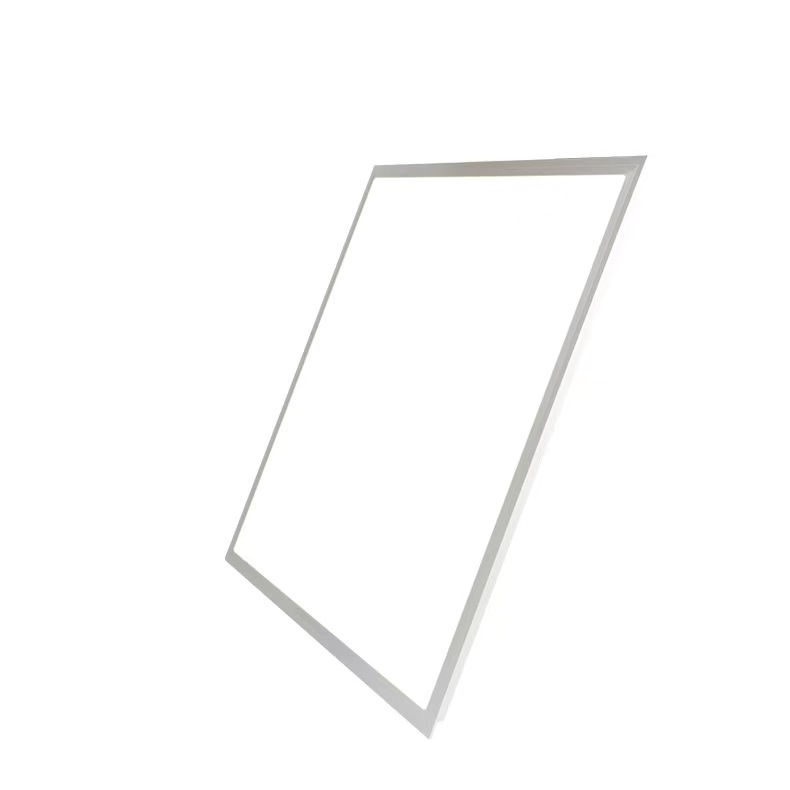
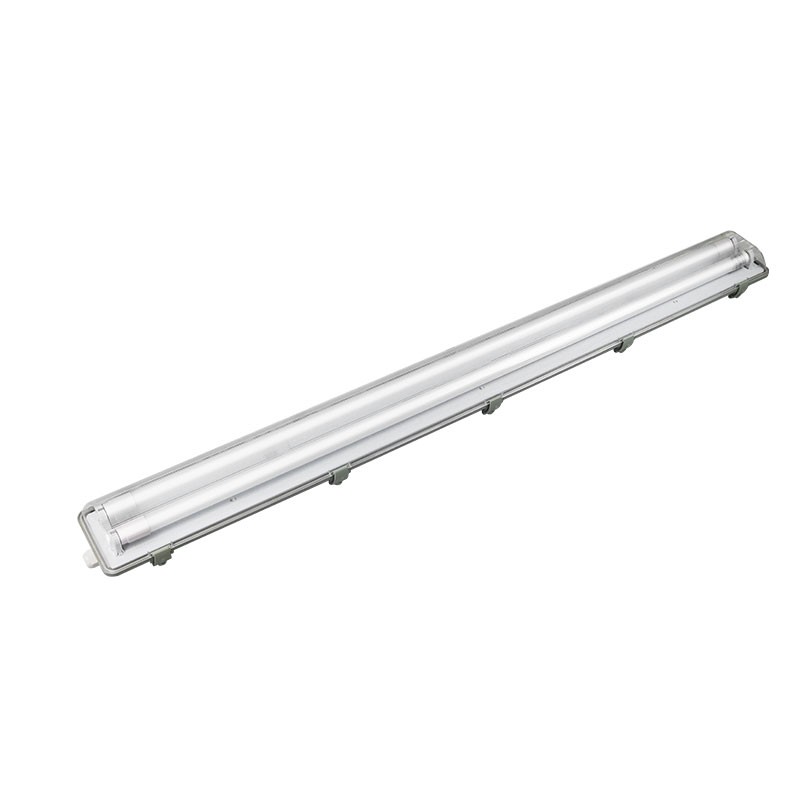
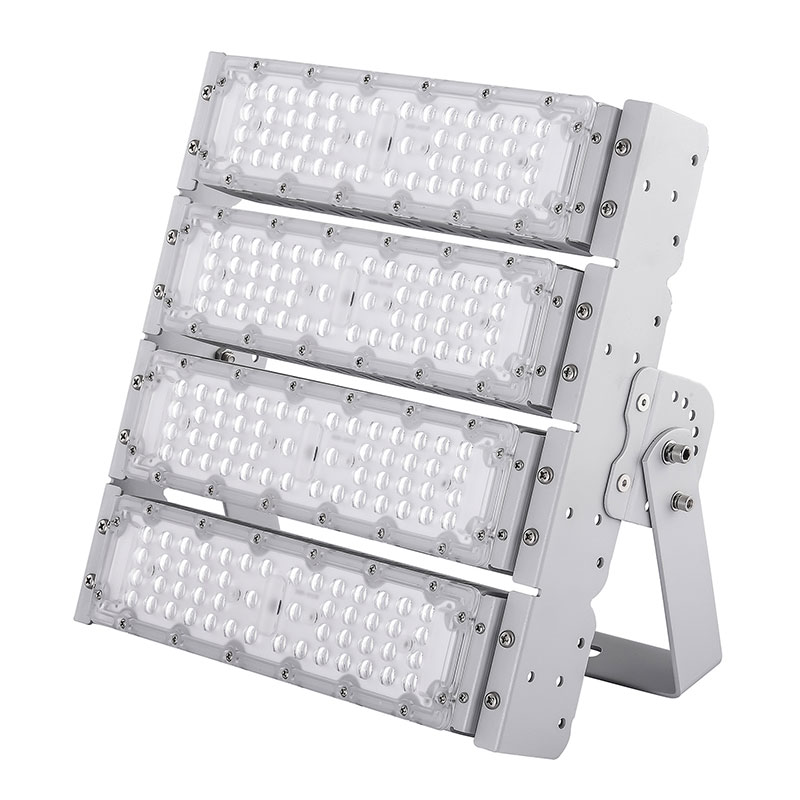


High power LED lamps have revolutionized the lighting industry, offering a more efficient, durable, and versatile alternative to traditional lighting solutions. As technology advances, the demand for high power LED lamps continues to grow, making it a significant market segment. This article provides an in-depth introduction to the high power LED lamp industry, covering its history, technology, applications, market trends, and future prospects.
History of High Power LED Lamps
The concept of LED (Light Emitting Diode) technology dates back to the early 20th century. However, it was not until the 1960s that the first practical LED was developed. Over the years, LED technology has evolved, and high power LED lamps emerged as a significant innovation in the late 1990s. Initially, high power LED lamps were used in niche applications, but their efficiency and performance have improved significantly, leading to widespread adoption in various industries.
Technology of High Power LED Lamps
High power LED lamps are based on the principle of converting electrical energy into light through the movement of electrons within a semiconductor material. The key components of a high power LED lamp include the LED die, a heat sink, a driver, and an optical lens. The LED die is the core of the lamp, responsible for emitting light. The heat sink dissipates the heat generated by the LED die, ensuring its longevity. The driver regulates the electrical current flowing through the LED die, while the optical lens focuses the light output for optimal illumination.
The technology behind high power LED lamps has advanced significantly, with several key developments contributing to their performance and efficiency. These include:
1. Improved LED materials: The use of advanced materials, such as gallium nitride (GaN), has led to higher efficiency and better heat dissipation in high power LED lamps.
2. Enhanced heat management: Advanced cooling techniques, such as heat sinks with increased surface area and thermal paste, have improved the thermal performance of high power LED lamps.
3. Optimal optical design: The use of sophisticated optical design techniques, such as total internal reflection (TIR) and collimation, has improved the light distribution and intensity of high power LED lamps.
Applications of High Power LED Lamps
High power LED lamps have a wide range of applications across various industries. Some of the most common applications include:
1. Industrial lighting: High power LED lamps are increasingly being used in industrial settings, such as factories, warehouses, and workshops, due to their energy efficiency and long lifespan.
2. Outdoor lighting: High power LED lamps are ideal for outdoor lighting applications, such as streetlights, parking lots, and sports fields, due to their durability and low maintenance requirements.
3. Commercial lighting: High power LED lamps are widely used in commercial settings, such as offices, retail stores, and restaurants, for their energy-saving and aesthetic benefits.
4. Automotive lighting: High power LED lamps are gaining popularity in the automotive industry for their energy efficiency, brightness, and durability.
Market Trends
The high power LED lamp market has been witnessing significant growth, driven by several factors. Some of the key market trends include:
1. Increasing energy efficiency: As the world moves towards sustainable energy solutions, the demand for energy-efficient lighting solutions, such as high power LED lamps, is on the rise.
2. Government incentives: Many governments around the world are offering incentives and subsidies for the adoption of energy-efficient lighting solutions, further driving the market growth.
3. Technological advancements: Continuous technological improvements in LED materials, cooling techniques, and optical design are making high power LED lamps more efficient and cost-effective.
4. Growing awareness: The increasing awareness about the benefits of high power LED lamps, such as energy savings and reduced carbon footprint, is also contributing to the market growth.
Future Prospects
The future of the high power LED lamp industry looks promising, with several factors expected to drive its growth. Some of the key future prospects include:
1. Further technological advancements: Continuous research and development in LED materials, cooling techniques, and optical design are expected to further improve the efficiency and performance of high power LED lamps.
2. Widespread adoption in emerging markets: As the cost of high power LED lamps continues to decline, their adoption in emerging markets is expected to increase significantly.
3. Integration with smart lighting systems: The integration of high power LED lamps with smart lighting systems is expected to provide better control and energy management, further enhancing their appeal.
4. Expansion into new applications: High power LED lamps are expected to find new applications in areas such as horticulture, medical lighting, and aerospace, expanding their market potential.
In conclusion, high power LED lamps have become a crucial component of the lighting industry, offering numerous benefits over traditional lighting solutions. With continuous technological advancements and growing market demand, the high power LED lamp industry is expected to witness significant growth in the coming years.
 English
 Afrikaans
 Albanian
 Amharic
 Arabic
 Armenian
 Azerbaijani
 Basque
 Belarusian
 Bengali
 Bosnian
 Bulgarian
 Catalan
 Cebuano
 Chichewa
 Corsican
 Croatian
 Czech
Czech Danish
 Dutch
Dutch Esperanto
 Estonian
 Filipino
 Finnish
 French
 Frisian
 Galician
 Georgian
 German
 Greek
Greek Gujarati
 Haitian Creole
 Hausa
Hausa Hawaiian
 Hebrew
 Hindi
Hindi Hmong
Hmong Hungarian
 Icelandic
 Igbo
Igbo Indonesian
 Irish
Irish Italian
 Japanese
 Javanese
 Kannada
 Kazakh
 Khmer
Khmer Korean
 Kurdish (Kurmanji)
 Kyrgyz
 Lao
Lao Latin
Latin Latvian
 Lithuanian
 Luxembourgish
 Macedonian
 Malagasy
 Malay
Malay Malayalam
 Maltese
 Maori
Maori Marathi
 Mongolian
 Myanmar (Burmese)
 Nepali
 Norwegian
 Pashto
 Persian
 Polish
 Portuguese
 Punjabi
 Romanian
 Russian
 Samoan
 Scottish Gaelic
 Serbian
 Sesotho
 Shona
Shona Sindhi
 Sinhala
 Slovak
 Slovenian
 Somali
 Spanish
 Sudanese
 Swahili
 Swedish
 Tajik
Tajik Tamil
Tamil Telugu
 Thai
Thai Turkish
 Ukrainian
 Urdu
Urdu Uzbek
Uzbek Vietnamese
 Welsh
Welsh Xhosa
Xhosa Yiddish
 Yoruba
 Zulu
Zulu
Explore More from Queendom Lamp
Stay updated with the latest LED technology, lighting solutions, and industry insights.
Request a Quote About Queendom