


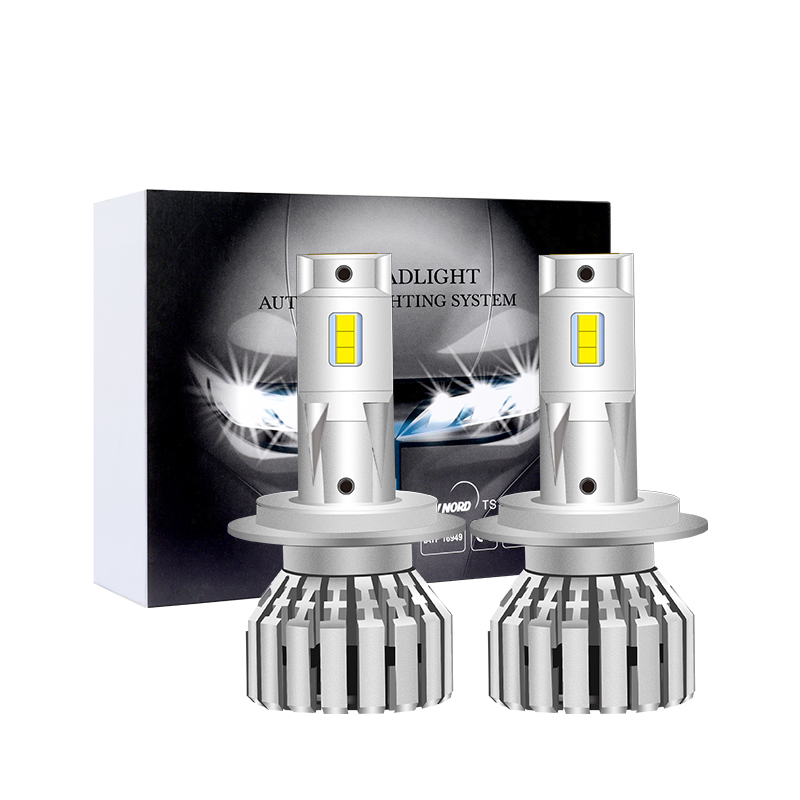
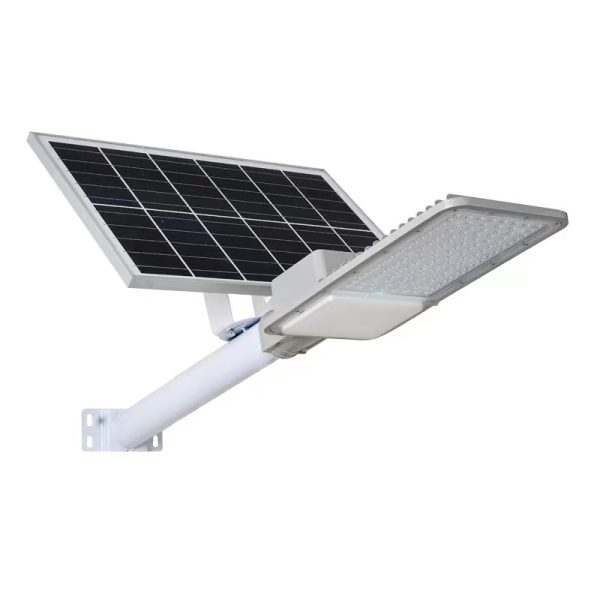
As the demand for high-intensity lighting solutions continues to rise, the 96W LED has emerged as a popular choice in the industry. This article aims to provide an in-depth introduction to the 96W LED, exploring its features, applications, and the impact it has on the lighting market.
Introduction to 96W LED
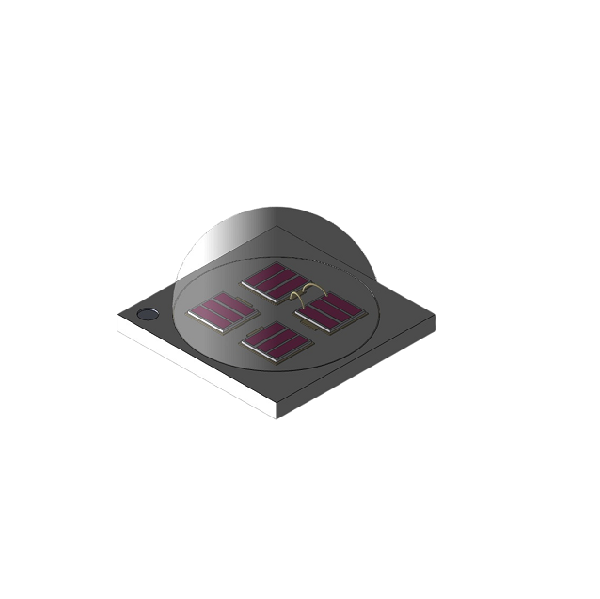
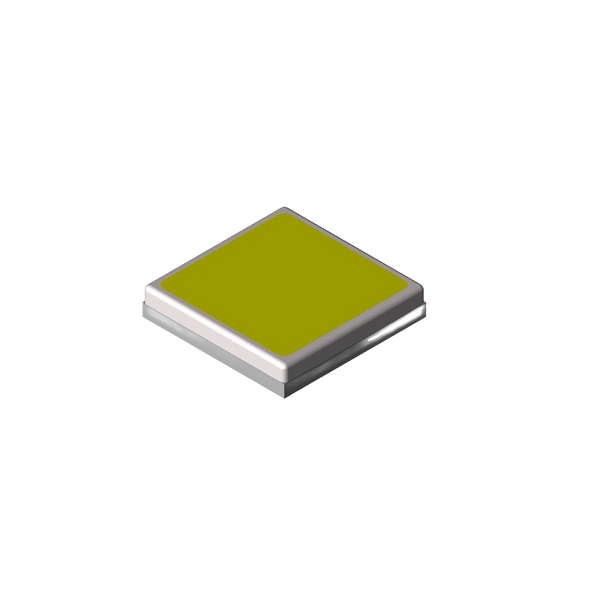
The 96W LED, as the name suggests, refers to an LED light source that consumes 96 watts of power. It is designed to produce a significant amount of light, making it suitable for various high-bay and industrial applications. Compared to traditional lighting solutions, the 96W LED offers numerous advantages, including energy efficiency, longevity, and environmental friendliness.
Energy Efficiency
One of the primary reasons for the popularity of the 96W LED is its exceptional energy efficiency. LEDs convert a higher percentage of electrical energy into light, with minimal heat loss. This translates to significant energy savings, especially in large-scale applications where multiple lighting fixtures are used. The energy-efficient nature of the 96W LED makes it an attractive option for businesses looking to reduce their operational costs and carbon footprint.
Longevity
Another key advantage of the 96W LED is its longevity. LEDs have a much longer lifespan compared to traditional lighting sources such as incandescent or fluorescent bulbs. On average, a 96W LED can last up to 50,000 hours, which is approximately five times longer than a typical fluorescent light. This means that businesses can reduce maintenance and replacement costs, further enhancing their cost-effectiveness.
Applications
The 96W LED is versatile and can be used in a wide range of applications. Some of the most common uses include:
-
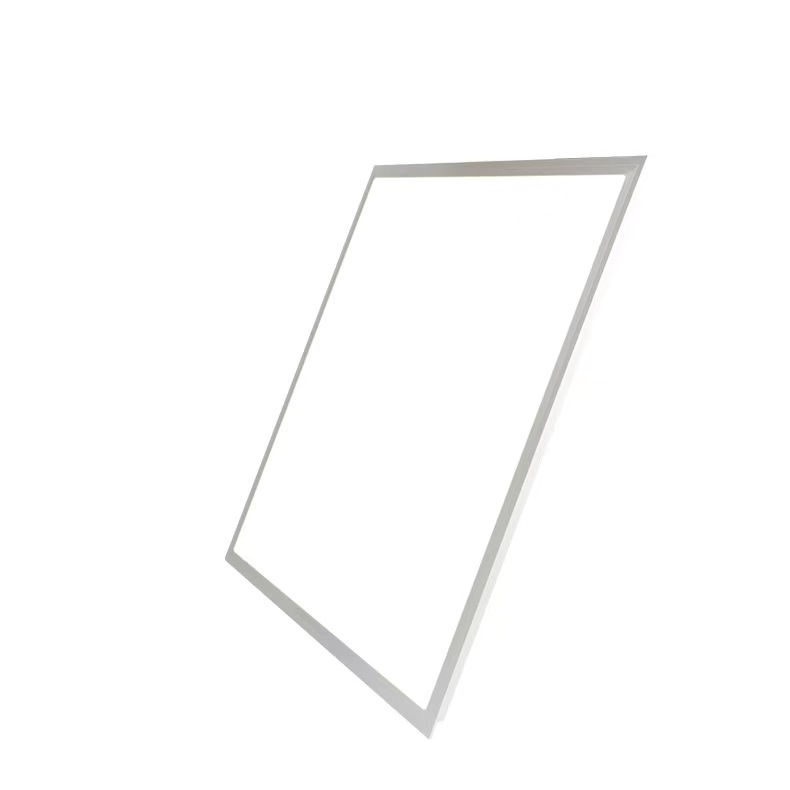
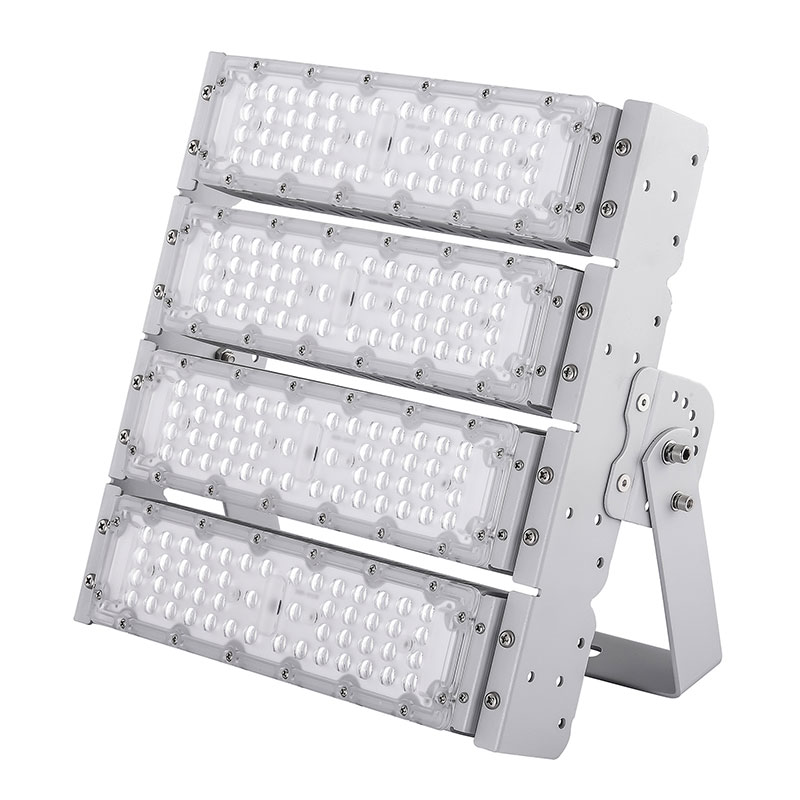
High-bay lighting in warehouses, factories, and gymnasiums
-
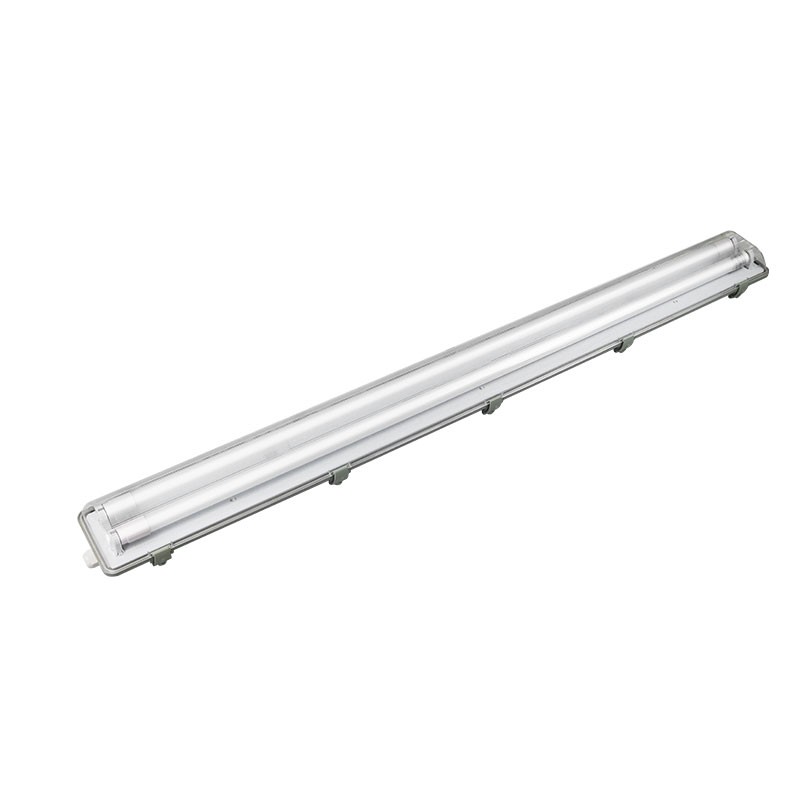
Industrial lighting in manufacturing plants and processing facilities
-
Outdoor lighting in streets, parking lots, and sports fields
-
Architectural lighting in buildings and public spaces
Due to its high light output and energy efficiency, the 96W LED is increasingly being adopted in these areas, replacing older, less efficient lighting technologies.
Technological Advancements
The development of the 96W LED has been driven by continuous technological advancements. Manufacturers are constantly improving the efficiency and performance of LEDs, resulting in better light quality and lower energy consumption. Some of the key technological advancements include:
-
Improved phosphor technology for enhanced color rendering
-
Optimized heat management to prevent overheating
-
Advanced driver designs for improved stability and reliability
These advancements have not only improved the performance of the 96W LED but have also expanded its applications to new and emerging markets.
Market Impact
The rise of the 96W LED has had a significant impact on the lighting market. As more businesses and institutions adopt LED technology, there is a growing demand for high-intensity LED solutions. This has led to increased investment in R&D and production capacity, resulting in a competitive market with a wide range of options for consumers. Additionally, the shift towards energy-efficient lighting has prompted governments and regulatory bodies to implement policies that promote the adoption of LEDs, further driving market growth.
Conclusion
In conclusion, the 96W LED has become a crucial component in the lighting industry, offering numerous benefits over traditional lighting solutions. Its energy efficiency, longevity, and versatility make it an ideal choice for various applications, from industrial settings to outdoor lighting. As technology continues to advance, the 96W LED is expected to play an even more significant role in shaping the future of lighting.
 English
 Afrikaans
 Albanian
 Amharic
 Arabic
 Armenian
 Azerbaijani
 Basque
 Belarusian
 Bengali
 Bosnian
 Bulgarian
 Catalan
 Cebuano
 Chichewa
 Corsican
 Croatian
 Czech
Czech Danish
 Dutch
Dutch Esperanto
 Estonian
 Filipino
 Finnish
 French
 Frisian
 Galician
 Georgian
 German
 Greek
Greek Gujarati
 Haitian Creole
 Hausa
Hausa Hawaiian
 Hebrew
 Hindi
Hindi Hmong
Hmong Hungarian
 Icelandic
 Igbo
Igbo Indonesian
 Irish
Irish Italian
 Japanese
 Javanese
 Kannada
 Kazakh
 Khmer
Khmer Korean
 Kurdish (Kurmanji)
 Kyrgyz
 Lao
Lao Latin
Latin Latvian
 Lithuanian
 Luxembourgish
 Macedonian
 Malagasy
 Malay
Malay Malayalam
 Maltese
 Maori
Maori Marathi
 Mongolian
 Myanmar (Burmese)
 Nepali
 Norwegian
 Pashto
 Persian
 Polish
 Portuguese
 Punjabi
 Romanian
 Russian
 Samoan
 Scottish Gaelic
 Serbian
 Sesotho
 Shona
Shona Sindhi
 Sinhala
 Slovak
 Slovenian
 Somali
 Spanish
 Sudanese
 Swahili
 Swedish
 Tajik
Tajik Tamil
Tamil Telugu
 Thai
Thai Turkish
 Ukrainian
 Urdu
Urdu Uzbek
Uzbek Vietnamese
 Welsh
Welsh Xhosa
Xhosa Yiddish
 Yoruba
 Zulu
Zulu