

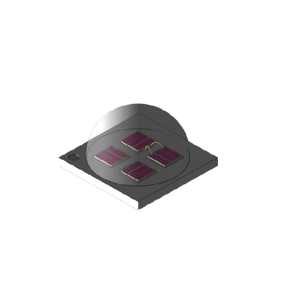
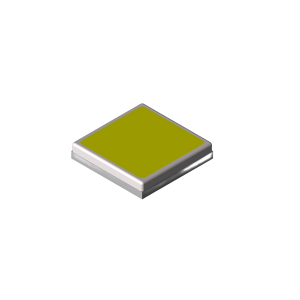





Surface mount LED (SMD LED) has become a crucial component in the electronics industry due to its compact size, high efficiency, and versatility. This article aims to provide an in-depth introduction to the surface mount LED market, covering its history, technology, applications, and future trends.
History of Surface Mount LED
Surface mount technology (SMT) was first introduced in the 1960s, and it quickly gained popularity in the electronics industry. In the early 1980s, surface mount LEDs were developed, which revolutionized the lighting industry. Initially, surface mount LEDs were only used in small applications, such as indicator lights and displays. However, with the advancement of technology, their applications have expanded to various fields, including automotive, medical, and consumer electronics.
Technology of Surface Mount LED
Surface mount LEDs are made by directly mounting the LED chip onto a printed circuit board (PCB) using a solder paste. The process involves several steps:
1. Chip preparation: The LED chip is prepared by cutting it from a larger wafer using a dicing saw.
2. Solder paste application: A thin layer of solder paste is applied to the PCB using a stencil.
3. Chip placement: The LED chip is then placed onto the PCB using a pick-and-place machine.
4. Soldering: The PCB is then passed through a reflow oven, where the solder paste melts and forms a bond between the chip and the PCB.
5. Quality inspection: The finished surface mount LED is inspected for any defects or issues.
The technology of surface mount LEDs has evolved over the years, with several advancements:
1. Chip size reduction: The size of LED chips has decreased significantly, allowing for smaller and more compact devices.
2. Higher brightness: The brightness of surface mount LEDs has increased, making them suitable for various lighting applications.
3. Improved efficiency: The efficiency of surface mount LEDs has improved, reducing power consumption and heat generation.
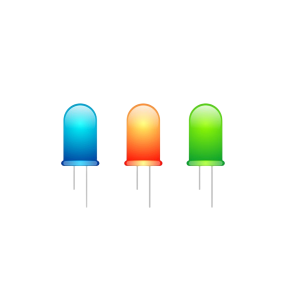
4. Color variety: Surface mount LEDs are available in a wide range of colors, including red, green, blue, and white.
Applications of Surface Mount LED
Surface mount LEDs are used in various applications across different industries:
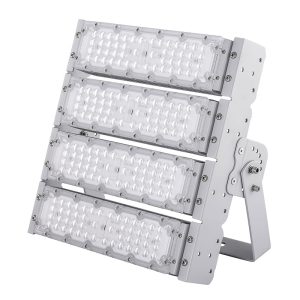
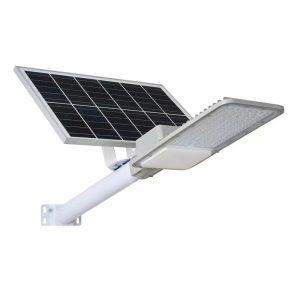
1. Lighting: Surface mount LEDs are widely used in LED lighting fixtures, such as street lights, downlights, and panel lights. They offer high efficiency, long lifespan, and energy savings.
2. Display: Surface mount LEDs are used in display panels, such as LCD and OLED screens, for backlighting and indicator lights.
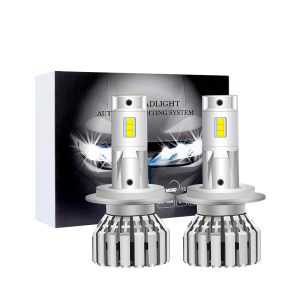
3. Automotive: Surface mount LEDs are used in automotive applications, including dashboard lighting, brake lights, and turn signals. They offer better visibility, durability, and energy efficiency.
4. Medical: Surface mount LEDs are used in medical devices, such as endoscopes, surgical lights, and patient monitors. They provide high-quality illumination for precise procedures.
5. Consumer electronics: Surface mount LEDs are used in consumer electronics, such as smartphones, cameras, and computers, for indicator lights and display backlighting.
Market Trends and Future Outlook
The surface mount LED market is expected to grow significantly in the coming years due to several factors:
1. Increasing demand for energy-efficient lighting: As the world moves towards sustainable energy solutions, the demand for energy-efficient lighting, such as LED lights, is expected to rise.
2. Growing adoption of smart devices: The increasing adoption of smart devices in various industries, such as automotive, medical, and consumer electronics, is driving the demand for surface mount LEDs.
3. Technological advancements: Continuous advancements in surface mount LED technology, such as higher brightness, improved efficiency, and smaller size, are expected to expand the market’s potential.
However, the market also faces certain challenges, such as:
1. Price competition: The surface mount LED market is highly competitive, with numerous manufacturers offering similar products at varying prices.
2. Raw material prices: Fluctuations in the prices of raw materials, such as gallium nitride (GaN) and indium gallium nitride (InGaN), can impact the cost of surface mount LEDs.
In conclusion, surface mount LEDs have become an essential component in the electronics industry due to their compact size, high efficiency, and versatility. With the increasing demand for energy-efficient lighting and smart devices, the market is expected to grow significantly in the coming years. However, challenges such as price competition and raw material prices may impact the market’s growth. As technology continues to advance, surface mount LEDs will likely play a vital role in shaping the future of the electronics industry.
 English
 Afrikaans
 Albanian
 Amharic
 Arabic
 Armenian
 Azerbaijani
 Basque
 Belarusian
 Bengali
 Bosnian
 Bulgarian
 Catalan
 Cebuano
 Chichewa
 Corsican
 Croatian
 Czech
Czech Danish
 Dutch
Dutch Esperanto
 Estonian
 Filipino
 Finnish
 French
 Frisian
 Galician
 Georgian
 German
 Greek
Greek Gujarati
 Haitian Creole
 Hausa
Hausa Hawaiian
 Hebrew
 Hindi
Hindi Hmong
Hmong Hungarian
 Icelandic
 Igbo
Igbo Indonesian
 Irish
Irish Italian
 Japanese
 Javanese
 Kannada
 Kazakh
 Khmer
Khmer Korean
 Kurdish (Kurmanji)
 Kyrgyz
 Lao
Lao Latin
Latin Latvian
 Lithuanian
 Luxembourgish
 Macedonian
 Malagasy
 Malay
Malay Malayalam
 Maltese
 Maori
Maori Marathi
 Mongolian
 Myanmar (Burmese)
 Nepali
 Norwegian
 Pashto
 Persian
 Polish
 Portuguese
 Punjabi
 Romanian
 Russian
 Samoan
 Scottish Gaelic
 Serbian
 Sesotho
 Shona
Shona Sindhi
 Sinhala
 Slovak
 Slovenian
 Somali
 Spanish
 Sudanese
 Swahili
 Swedish
 Tajik
Tajik Tamil
Tamil Telugu
 Thai
Thai Turkish
 Ukrainian
 Urdu
Urdu Uzbek
Uzbek Vietnamese
 Welsh
Welsh Xhosa
Xhosa Yiddish
 Yoruba
 Zulu
Zulu
Explore More from Queendom Lamp
Stay updated with the latest LED technology, lighting solutions, and industry insights.
Request a Quote About Queendom