








Introduction to PCB SMD LED Industry
Understanding PCB SMD LED
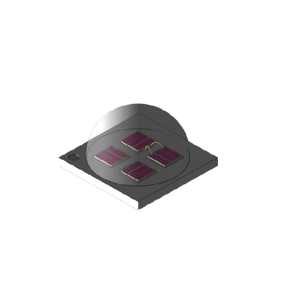
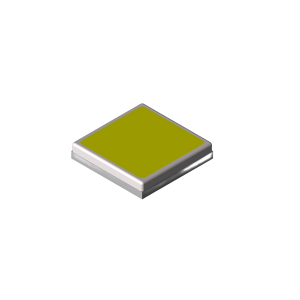
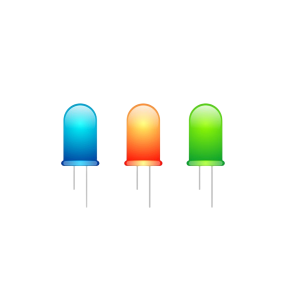
The integration of printed circuit boards (PCBs) with surface mount technology (SMT) has revolutionized the electronics industry, and the PCB SMD LED (Surface Mount Light Emitting Diode) is a testament to this technological advancement. PCB SMD LEDs are compact, energy-efficient, and versatile lighting solutions that are widely used in various applications, from consumer electronics to automotive and industrial sectors. In this article, we will delve into the PCB SMD LED industry, exploring its history, applications, technology, market trends, and future prospects.
History of PCB SMD LED
The concept of using LEDs on PCBs dates back to the early 1960s when the first LED was invented by Nick Holonyak at General Electric. However, it was not until the late 1970s that the SMT technology was developed, allowing for the placement of LEDs on PCBs with high precision. This breakthrough in technology paved the way for the PCB SMD LED, which quickly gained popularity due to its numerous advantages over traditional through-hole LEDs.
Advantages of PCB SMD LED
The PCB SMD LED offers several advantages that have contributed to its widespread adoption:
– Compact Size: The surface mount technology allows for the placement of LEDs in a much smaller form factor, making them ideal for space-constrained applications.
– Energy Efficiency: PCB SMD LEDs consume less power compared to traditional lighting solutions, making them environmentally friendly and cost-effective.
– Longevity: The compact design and lack of heat dissipation issues contribute to a longer lifespan of PCB SMD LEDs.
– Versatility: They can be used in a wide range of applications, including indoor and outdoor lighting, display screens, and automotive lighting.
Applications of PCB SMD LED
The versatility of PCB SMD LEDs has led to their adoption in numerous applications across various industries:
– Consumer Electronics: Smartphones, tablets, and other portable devices use PCB SMD LEDs for indicator lights and display screens.
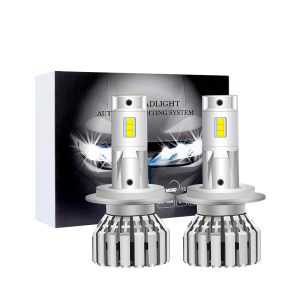
– Automotive Lighting: PCB SMD LEDs are used in automotive lighting systems for brake lights, turn signals, and headlamps.
– Industrial Lighting: These LEDs are employed in industrial settings for lighting, signaling, and machine vision systems.
– Home and Commercial Lighting: PCB SMD LEDs are used in LED bulbs, strips, and panels for residential and commercial lighting solutions.
– Medical Devices: The compact and energy-efficient nature of PCB SMD LEDs makes them suitable for medical devices and equipment.
Technology behind PCB SMD LED
The technology behind PCB SMD LEDs involves several key components:
– LED Chip: The core of the LED, which emits light when an electric current passes through it.
– Lead Frame: A metallic frame that holds the LED chip in place and provides electrical connections.
– Bonding: The process of attaching the LED chip to the lead frame using wires or solder.
– PCB: The printed circuit board that provides the electrical connections and serves as the base for the LED assembly.
The manufacturing process involves precision placement of the LED chip onto the PCB, followed by bonding and encapsulation to protect the LED from environmental factors.
Market Trends in PCB SMD LED Industry
The PCB SMD LED industry has been witnessing several trends that are shaping its growth:
– Miniaturization: There is a continuous push to develop even smaller PCB SMD LEDs for more compact applications.
– High Efficiency: The industry is focusing on developing LEDs with higher light output and lower power consumption.
– Customization: There is an increasing demand for customized PCB SMD LED solutions to meet specific application requirements.
– Environmental Concerns: As awareness of environmental issues grows, there is a trend towards using more sustainable materials and manufacturing processes.
Future Prospects of PCB SMD LED Industry
The future of the PCB SMD LED industry looks promising, with several factors contributing to its growth:
– Technological Advancements: Ongoing research and development efforts are expected to lead to more efficient and durable LED solutions.
– Market Expansion: The increasing demand for energy-efficient lighting solutions in both developed and developing countries is expected to drive market growth.
– Innovation: New applications and technologies, such as smart lighting systems and integrated sensors, are expected to create new opportunities for PCB SMD LEDs.
In conclusion, the PCB SMD LED industry has come a long way since its inception, and it continues to evolve with technological advancements and changing market demands. As the world moves towards more energy-efficient and sustainable solutions, PCB SMD LEDs are poised to play a pivotal role in shaping the future of lighting and electronics.
 English
 Afrikaans
 Albanian
 Amharic
 Arabic
 Armenian
 Azerbaijani
 Basque
 Belarusian
 Bengali
 Bosnian
 Bulgarian
 Catalan
 Cebuano
 Chichewa
 Corsican
 Croatian
 Czech
Czech Danish
 Dutch
Dutch Esperanto
 Estonian
 Filipino
 Finnish
 French
 Frisian
 Galician
 Georgian
 German
 Greek
Greek Gujarati
 Haitian Creole
 Hausa
Hausa Hawaiian
 Hebrew
 Hindi
Hindi Hmong
Hmong Hungarian
 Icelandic
 Igbo
Igbo Indonesian
 Irish
Irish Italian
 Japanese
 Javanese
 Kannada
 Kazakh
 Khmer
Khmer Korean
 Kurdish (Kurmanji)
 Kyrgyz
 Lao
Lao Latin
Latin Latvian
 Lithuanian
 Luxembourgish
 Macedonian
 Malagasy
 Malay
Malay Malayalam
 Maltese
 Maori
Maori Marathi
 Mongolian
 Myanmar (Burmese)
 Nepali
 Norwegian
 Pashto
 Persian
 Polish
 Portuguese
 Punjabi
 Romanian
 Russian
 Samoan
 Scottish Gaelic
 Serbian
 Sesotho
 Shona
Shona Sindhi
 Sinhala
 Slovak
 Slovenian
 Somali
 Spanish
 Sudanese
 Swahili
 Swedish
 Tajik
Tajik Tamil
Tamil Telugu
 Thai
Thai Turkish
 Ukrainian
 Urdu
Urdu Uzbek
Uzbek Vietnamese
 Welsh
Welsh Xhosa
Xhosa Yiddish
 Yoruba
 Zulu
Zulu
Explore More from Queendom Lamp
Stay updated with the latest LED technology, lighting solutions, and industry insights.
Request a Quote About Queendom