



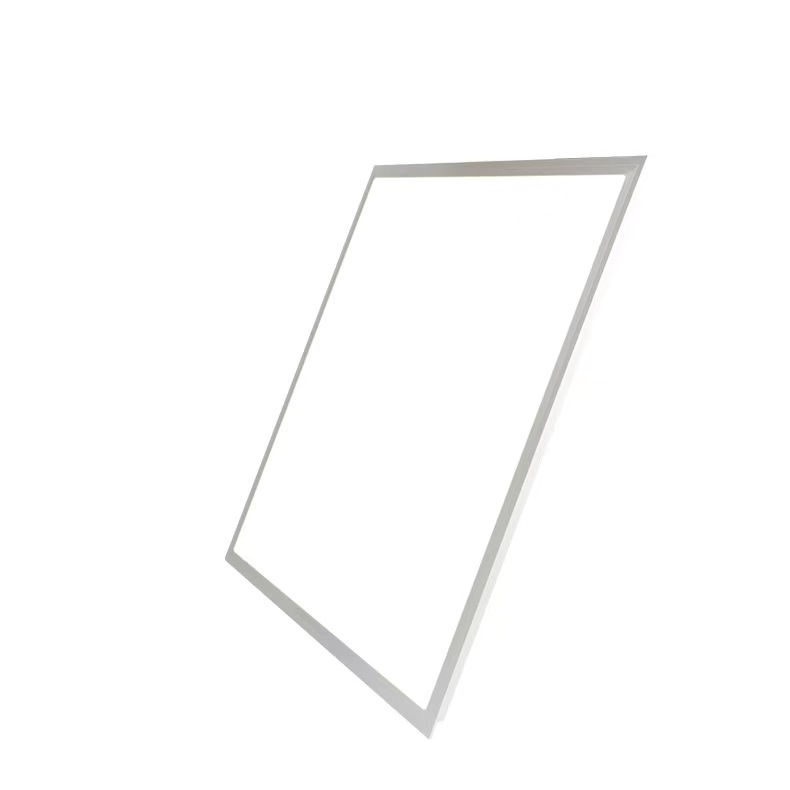
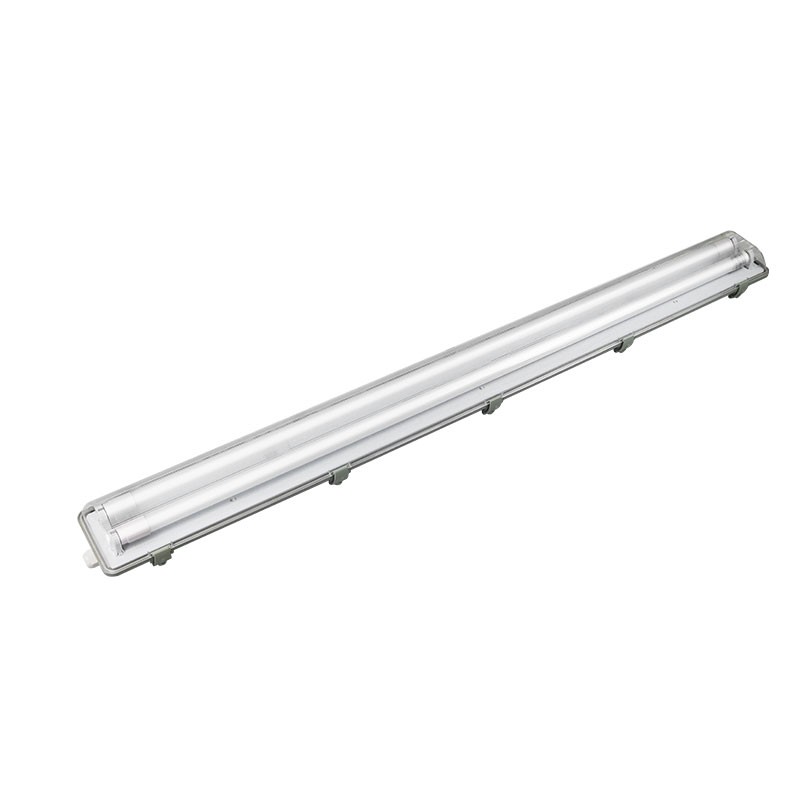
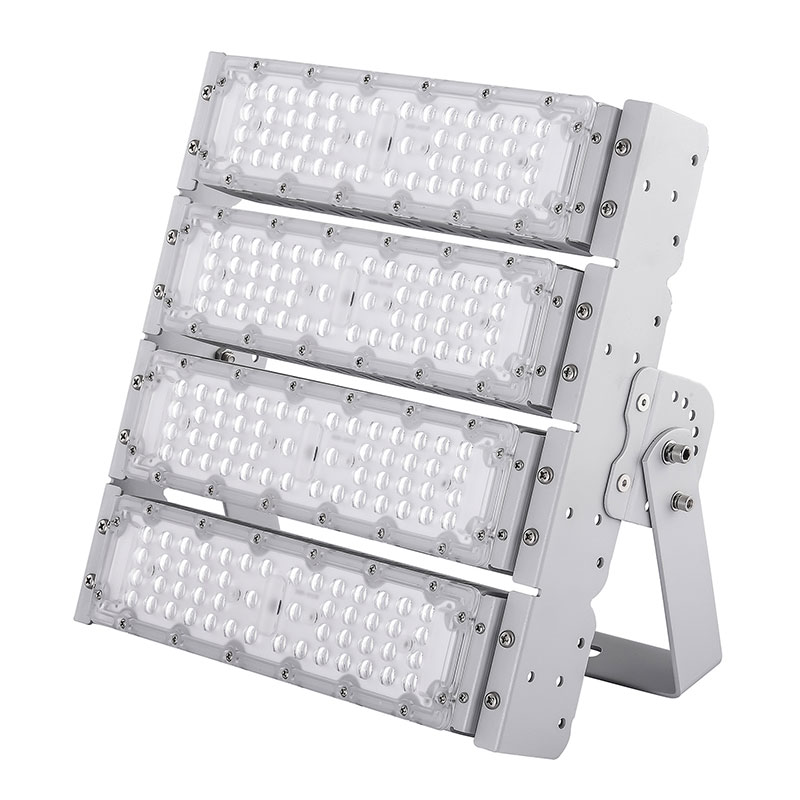
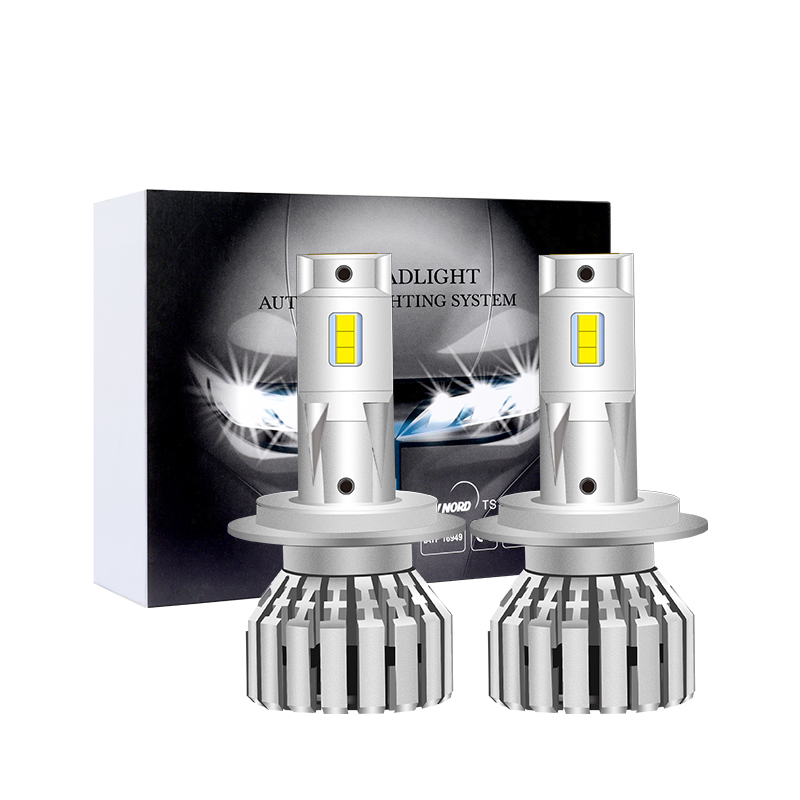
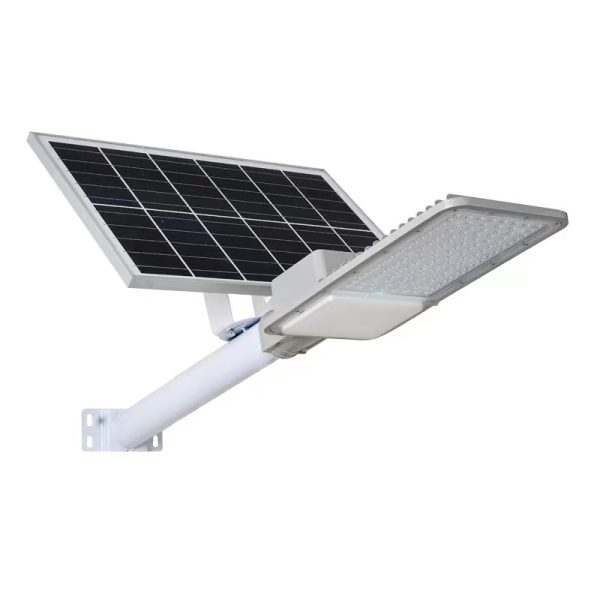
Surface mount lighting LED technology has revolutionized the lighting industry, offering a compact, energy-efficient, and versatile solution for various applications. In this comprehensive guide, we will delve into the intricacies of surface mount lighting LED, exploring its features, benefits, applications, and the technological advancements that have made it a favorite among designers and engineers worldwide.
Introduction to Surface Mount Lighting LED
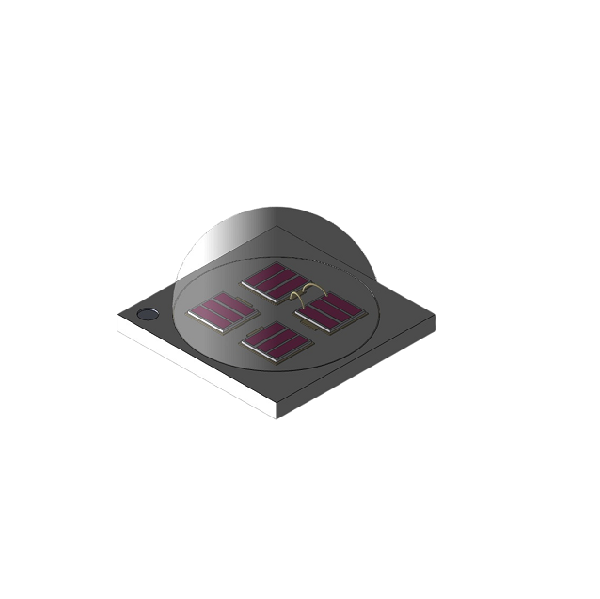
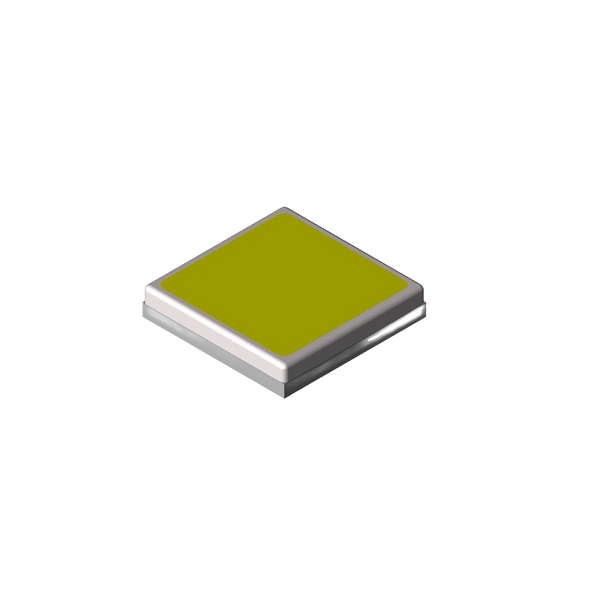
Surface mount lighting LED, also known as SMT LED, refers to the technique of mounting light-emitting diodes directly onto a printed circuit board (PCB). This method eliminates the need for traditional leaded components, resulting in a more compact and lightweight design. SMT LED technology has gained significant traction due to its numerous advantages, including enhanced energy efficiency, longer lifespan, and reduced thermal management challenges.
How Surface Mount Lighting LED Works
The surface mount lighting LED operates on the principle of converting electrical energy into light through the excitation of electrons within a semiconductor material. When an electric current is applied to the LED, electrons recombine with electron holes, releasing energy in the form of photons. These photons are then emitted as visible light, which can be directed or diffused to suit specific lighting requirements.
The process of mounting an LED onto a PCB involves placing the LED in a specific pattern, typically in a grid formation, and then soldering it in place. This method allows for a high density of LEDs to be mounted on a single PCB, resulting in a brighter and more efficient light source.
Advantages of Surface Mount Lighting LED
1. Compact Design: The surface mount technology allows for a significantly smaller form factor compared to traditional lighting solutions, making it ideal for space-constrained applications.
2. Energy Efficiency: SMT LEDs consume less power than conventional bulbs, leading to reduced energy costs and a smaller carbon footprint.
3. Longevity: With a lifespan of up to 50,000 hours, SMT LEDs offer a cost-effective and durable lighting solution.
4. Heat Management: The direct mounting of LEDs onto a PCB allows for better thermal dissipation, reducing the risk of overheating and extending the lifespan of the LEDs.
5. Customization: SMT LEDs can be designed in various colors, intensities, and beam angles, offering versatility for different lighting applications.
6. Cost-Effective: The manufacturing process of SMT LEDs is automated, resulting in lower production costs and faster assembly times.
Applications of Surface Mount Lighting LED
Surface mount lighting LED technology finds applications in a wide range of industries and environments, including:
1. Consumer Electronics: SMT LEDs are commonly used in smartphones, tablets, and other portable devices for indicator lighting and backlit displays.
2. Automotive Industry: LEDs are used for instrument panels, dashboard lighting, and exterior lighting in vehicles, offering brighter and more durable illumination.
3. Home Lighting: SMT LEDs are increasingly being used in residential lighting fixtures, providing energy-efficient and customizable lighting solutions.
4. Industrial Lighting: SMT LEDs are suitable for industrial applications due to their durability and ability to withstand harsh environments.
5. Outdoor Lighting: LEDs are used in streetlights, billboards, and signage, offering energy-efficient and long-lasting illumination.
6. Medical Equipment: SMT LEDs are used in medical devices for indicator lighting and display illumination, providing a reliable and safe source of light.
Technological Advancements in Surface Mount Lighting LED
The evolution of surface mount lighting LED technology has been marked by several key advancements:
1. Improved Heat Dissipation: The development of better thermal management materials and techniques has improved the ability of SMT LEDs to dissipate heat, ensuring optimal performance and longevity.
2. Color Accuracy: Advances in phosphor technology have enhanced the color rendering index (CRI) of SMT LEDs, providing more natural and vibrant colors.
3. Higher Brightness: Innovations in LED design and materials have led to higher brightness levels, making SMT LEDs suitable for applications that require intense illumination.
4. Dimmability: The integration of dimming capabilities into SMT LEDs has made them more versatile for various lighting scenarios.
5. Wireless Connectivity: The integration of wireless technology into SMT LEDs has opened up new possibilities for smart lighting solutions, allowing for remote control and energy management.
Conclusion
Surface mount lighting LED technology has transformed the lighting industry, offering a multitude of benefits that make it a preferred choice for designers and engineers. With ongoing technological advancements, the future of SMT LED looks promising, with even more innovative applications and solutions on the horizon. As the demand for energy-efficient and sustainable lighting solutions continues to grow, SMT LED technology is poised to play a pivotal role in shaping the future of lighting.
 English
 Afrikaans
 Albanian
 Amharic
 Arabic
 Armenian
 Azerbaijani
 Basque
 Belarusian
 Bengali
 Bosnian
 Bulgarian
 Catalan
 Cebuano
 Chichewa
 Corsican
 Croatian
 Czech
Czech Danish
 Dutch
Dutch Esperanto
 Estonian
 Filipino
 Finnish
 French
 Frisian
 Galician
 Georgian
 German
 Greek
Greek Gujarati
 Haitian Creole
 Hausa
Hausa Hawaiian
 Hebrew
 Hindi
Hindi Hmong
Hmong Hungarian
 Icelandic
 Igbo
Igbo Indonesian
 Irish
Irish Italian
 Japanese
 Javanese
 Kannada
 Kazakh
 Khmer
Khmer Korean
 Kurdish (Kurmanji)
 Kyrgyz
 Lao
Lao Latin
Latin Latvian
 Lithuanian
 Luxembourgish
 Macedonian
 Malagasy
 Malay
Malay Malayalam
 Maltese
 Maori
Maori Marathi
 Mongolian
 Myanmar (Burmese)
 Nepali
 Norwegian
 Pashto
 Persian
 Polish
 Portuguese
 Punjabi
 Romanian
 Russian
 Samoan
 Scottish Gaelic
 Serbian
 Sesotho
 Shona
Shona Sindhi
 Sinhala
 Slovak
 Slovenian
 Somali
 Spanish
 Sudanese
 Swahili
 Swedish
 Tajik
Tajik Tamil
Tamil Telugu
 Thai
Thai Turkish
 Ukrainian
 Urdu
Urdu Uzbek
Uzbek Vietnamese
 Welsh
Welsh Xhosa
Xhosa Yiddish
 Yoruba
 Zulu
Zulu