







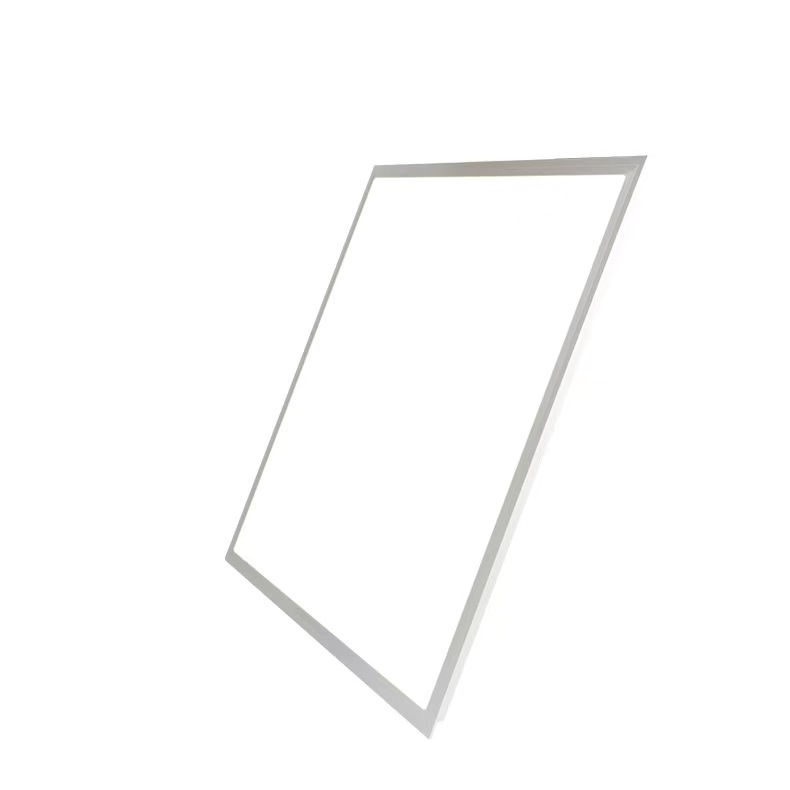
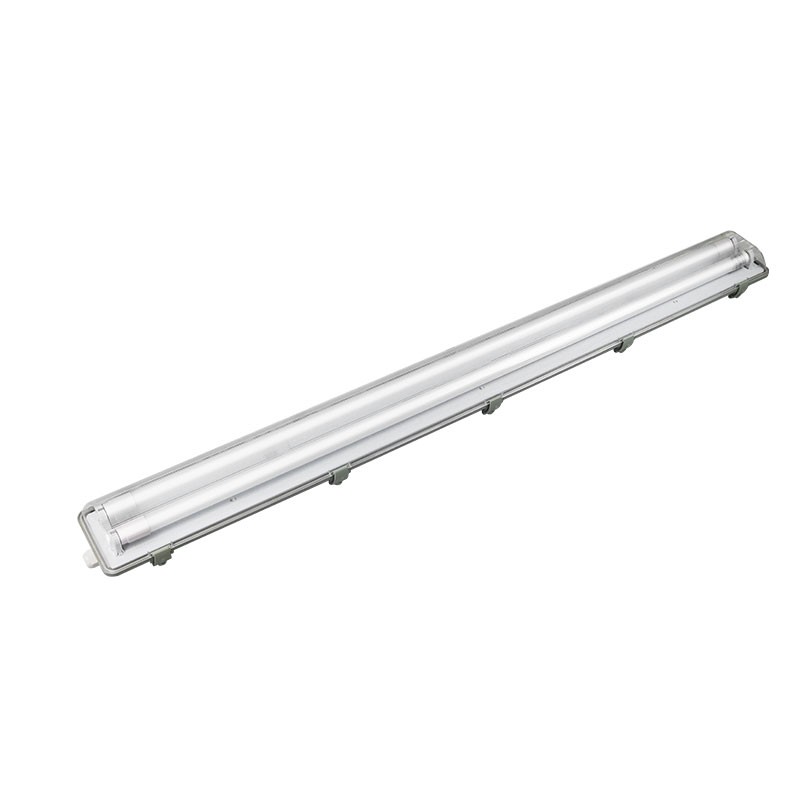
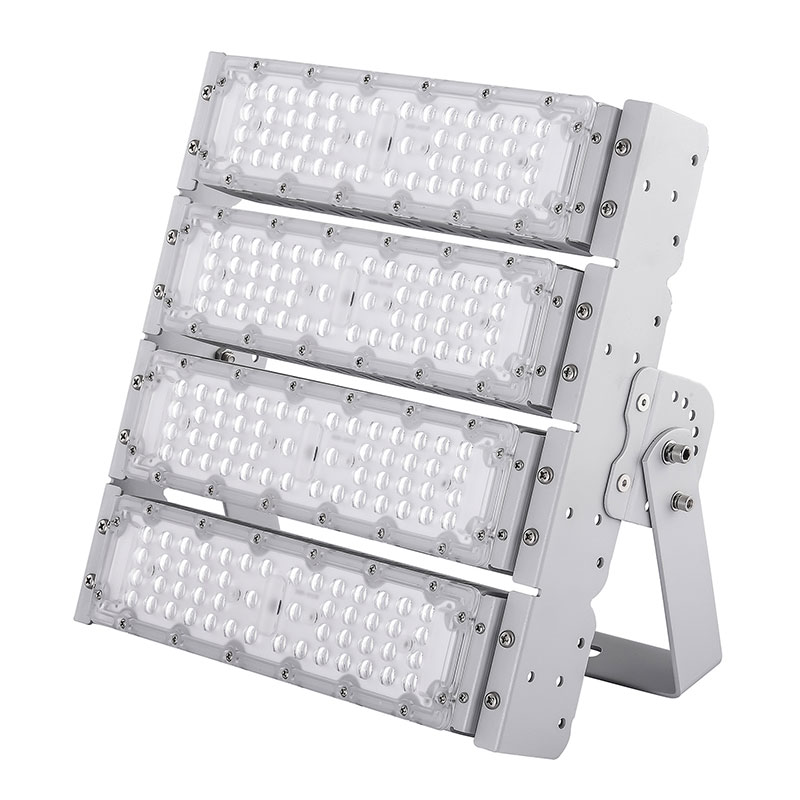


Power LED SMD, or Surface Mount Device, has emerged as a pivotal technology in the lighting industry, offering a compact, energy-efficient, and versatile solution for various lighting applications. This article delves into the world of power LED SMD, exploring its history, technology, applications, market trends, and future prospects.
Introduction to Power LED SMD
Power LED SMDs are high-intensity light-emitting diodes that are designed to be mounted directly onto a printed circuit board (PCB). They are characterized by their small size, which allows for greater design flexibility and energy efficiency compared to traditional lighting solutions. The “power” in power LED SMD refers to their ability to produce higher lumen output, making them suitable for applications that require intense lighting, such as street lighting, industrial lighting, and architectural lighting.
History and Development
The history of LED technology dates back to the early 20th century, but it was not until the late 1960s that the first practical LED was invented by Nick Holonyak Jr. at General Electric. Over the years, LED technology has evolved significantly, with improvements in efficiency, color rendering, and lifespan. The advent of surface mount technology in the 1980s paved the way for the development of power LED SMDs, which have since become a staple in the lighting industry.
Technology and Design
Power LED SMDs are typically composed of a semiconductor chip encapsulated in a lens or optic, which helps to focus the light output. The semiconductor material used in power LEDs is usually a combination of gallium nitride (GaN), aluminum gallium nitride (AlGaN), or silicon carbide (SiC), which allows for high-efficiency light emission. The design of power LED SMDs includes several key components:
– Chip: The semiconductor material is etched into a small, highly efficient light-emitting chip.
– Substrate: The chip is mounted onto a substrate, which can be ceramic, metal, or glass.
– Lead Frame: The lead frame provides electrical connections to the chip and is used to secure the LED in place on the PCB.
– Encapsulation: The encapsulation material, often a clear or colored epoxy, protects the chip and helps to enhance light output.
Applications
Power LED SMDs find applications in a wide range of lighting scenarios due to their versatility and efficiency. Some of the key applications include:
– Street Lighting: Power LED SMDs are increasingly being used in street lighting systems for their energy savings and long lifespan.
– Industrial Lighting: They are suitable for high-bay lighting in warehouses, factories, and other industrial settings.
– Architectural Lighting: Power LED SMDs are used in decorative and functional lighting in buildings, outdoor spaces, and public areas.
– Automotive Lighting: Power LED SMDs are becoming the standard for headlamps, taillights, and interior lighting in modern vehicles.
– Consumer Electronics: They are used in a variety of consumer electronics devices, such as TVs, smartphones, and computers.
Market Trends
The market for power LED SMDs has been growing steadily, driven by factors such as the increasing demand for energy-efficient lighting solutions, advancements in LED technology, and government initiatives to promote energy savings. Some key trends in the market include:
– Increased Efficiency: Manufacturers are continuously working to improve the efficiency of power LED SMDs, leading to lower energy consumption and longer lifespans.
– Cost Reduction: As technology advances, the cost of producing power LED SMDs has been decreasing, making them more accessible to a wider range of applications.
– Customization: The ability to customize the size, color, and output of power LED SMDs has opened up new opportunities in the lighting industry.
Future Prospects
The future of power LED SMDs looks promising, with several exciting developments on the horizon:
– Further Efficiency Improvements: Researchers are exploring new materials and designs to push the efficiency of power LED SMDs even further.
– Integration with IoT: The integration of power LED SMDs with the Internet of Things (IoT) is expected to revolutionize the lighting industry, enabling smart lighting solutions that can be controlled remotely.
– Environmental Benefits: As power LED SMDs continue to become more energy-efficient, they will contribute to a reduction in carbon emissions and a more sustainable future.
In conclusion, power LED SMDs have become an integral part of the lighting industry, offering a multitude of benefits that make them a preferred choice for various applications. With ongoing technological advancements and market trends, the future of power LED SMDs looks bright, and they are poised to continue shaping the landscape of the lighting industry.
 English
 Afrikaans
 Albanian
 Amharic
 Arabic
 Armenian
 Azerbaijani
 Basque
 Belarusian
 Bengali
 Bosnian
 Bulgarian
 Catalan
 Cebuano
 Chichewa
 Corsican
 Croatian
 Czech
Czech Danish
 Dutch
Dutch Esperanto
 Estonian
 Filipino
 Finnish
 French
 Frisian
 Galician
 Georgian
 German
 Greek
Greek Gujarati
 Haitian Creole
 Hausa
Hausa Hawaiian
 Hebrew
 Hindi
Hindi Hmong
Hmong Hungarian
 Icelandic
 Igbo
Igbo Indonesian
 Irish
Irish Italian
 Japanese
 Javanese
 Kannada
 Kazakh
 Khmer
Khmer Korean
 Kurdish (Kurmanji)
 Kyrgyz
 Lao
Lao Latin
Latin Latvian
 Lithuanian
 Luxembourgish
 Macedonian
 Malagasy
 Malay
Malay Malayalam
 Maltese
 Maori
Maori Marathi
 Mongolian
 Myanmar (Burmese)
 Nepali
 Norwegian
 Pashto
 Persian
 Polish
 Portuguese
 Punjabi
 Romanian
 Russian
 Samoan
 Scottish Gaelic
 Serbian
 Sesotho
 Shona
Shona Sindhi
 Sinhala
 Slovak
 Slovenian
 Somali
 Spanish
 Sudanese
 Swahili
 Swedish
 Tajik
Tajik Tamil
Tamil Telugu
 Thai
Thai Turkish
 Ukrainian
 Urdu
Urdu Uzbek
Uzbek Vietnamese
 Welsh
Welsh Xhosa
Xhosa Yiddish
 Yoruba
 Zulu
Zulu