








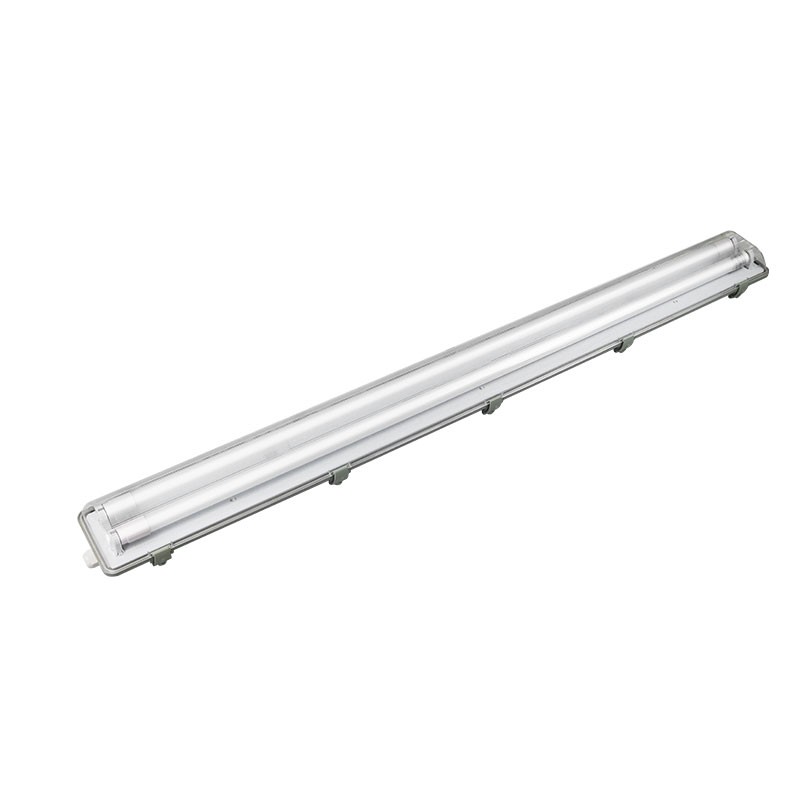
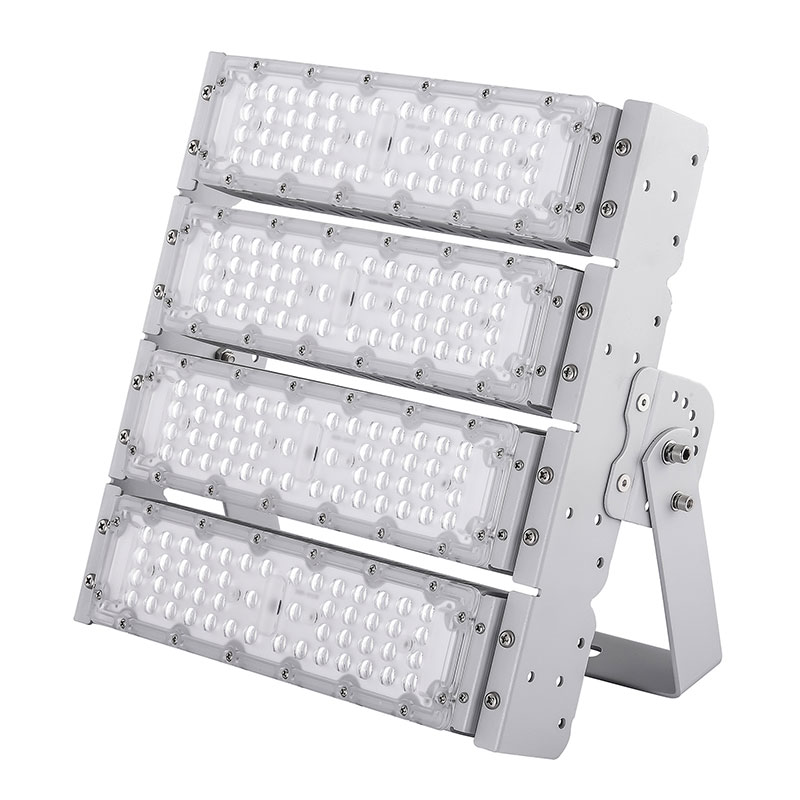


LED waterproof tube light has become an essential lighting solution in modern times, especially in outdoor and damp environments. With the continuous advancement of LED technology, these lights have gained popularity due to their energy efficiency, durability, and versatility. This article aims to provide an in-depth introduction to the LED waterproof tube light industry, covering its history, technology, applications, and future trends.
History of LED Waterproof Tube Light
The concept of LED waterproof tube light dates back to the early 2000s when LED technology began to mature. Initially, LED lights were primarily used for indicator and decorative purposes. However, with the advancement of LED technology, manufacturers started to explore their potential in the lighting industry. The first LED waterproof tube lights were introduced in the mid-2000s, primarily targeting outdoor and damp environments such as garages, basements, and parking lots.
Technology of LED Waterproof Tube Light
LED waterproof tube lights are designed with a special waterproofing technology that allows them to be used in damp environments without the risk of electrical hazards. The following are some key components and technologies used in these lights:
- LED Chips: High-quality LED chips are used to emit light. These chips are usually made of silicon, gallium nitride, or other semiconductor materials.
- Driver: The driver is an essential component that converts the AC power from the grid to the appropriate DC voltage for the LED chips. It ensures the stable operation of the LED lights.
- Reflector: The reflector is designed to reflect the emitted light from the LED chips, ensuring efficient light distribution.
- Waterproofing Material: Special waterproof materials are used to protect the internal components of the LED tube lights from moisture and dust. These materials can be silicone, rubber, or other synthetic materials.
Applications of LED Waterproof Tube Light
LED waterproof tube lights have a wide range of applications in various industries. Some of the most common applications include:
- Outdoor Lighting: These lights are commonly used for street lighting, parking lots, and outdoor advertising.
- Industrial Lighting: LED waterproof tube lights are ideal for industrial settings, such as factories, warehouses, and manufacturing plants.
- Commercial Lighting: They are used in shopping malls, offices, and restaurants for interior lighting.
- Residential Lighting: LED waterproof tube lights are suitable for basement, garage, and outdoor lighting in residential buildings.
Market Trends and Challenges
The LED waterproof tube light market has been growing at a rapid pace due to several factors, such as:
- Energy Efficiency: LED lights consume less energy compared to traditional lighting solutions, resulting in significant cost savings.
- Longevity: LED lights have a longer lifespan, reducing the need for frequent replacements.
- Environmental Benefits: LED lights are environmentally friendly, as they do not contain harmful substances like mercury.
However, the industry faces certain challenges, such as:
- High Initial Cost: The initial cost of LED waterproof tube lights is higher compared to traditional lighting solutions.
- Market Competition: The market is highly competitive, with numerous manufacturers offering similar products.
- Technological Innovation: Continuous technological innovation is required to improve the performance and efficiency of LED lights.
Future Trends
The LED waterproof tube light industry is expected to witness several future trends, including:
- Integration with Smart Home Systems: LED waterproof tube lights are expected to be integrated with smart home systems, allowing users to control the lights remotely via smartphones or voice assistants.
- Customization: Manufacturers are likely to offer more customized solutions to cater to the specific needs of different industries and applications.
- Energy Harvesting: The development of energy-harvesting technology may enable LED waterproof tube lights to generate their power from renewable sources, such as solar energy.
Conclusion
LED waterproof tube lights have emerged as a reliable and efficient lighting solution for various applications. With continuous technological advancements and increasing demand, the industry is expected to grow significantly in the coming years. As a result, manufacturers and industry stakeholders need to stay updated with the latest trends and innovations to remain competitive in this dynamic market.
 English
 Afrikaans
 Albanian
 Amharic
 Arabic
 Armenian
 Azerbaijani
 Basque
 Belarusian
 Bengali
 Bosnian
 Bulgarian
 Catalan
 Cebuano
 Chichewa
 Corsican
 Croatian
 Czech
Czech Danish
 Dutch
Dutch Esperanto
 Estonian
 Filipino
 Finnish
 French
 Frisian
 Galician
 Georgian
 German
 Greek
Greek Gujarati
 Haitian Creole
 Hausa
Hausa Hawaiian
 Hebrew
 Hindi
Hindi Hmong
Hmong Hungarian
 Icelandic
 Igbo
Igbo Indonesian
 Irish
Irish Italian
 Japanese
 Javanese
 Kannada
 Kazakh
 Khmer
Khmer Korean
 Kurdish (Kurmanji)
 Kyrgyz
 Lao
Lao Latin
Latin Latvian
 Lithuanian
 Luxembourgish
 Macedonian
 Malagasy
 Malay
Malay Malayalam
 Maltese
 Maori
Maori Marathi
 Mongolian
 Myanmar (Burmese)
 Nepali
 Norwegian
 Pashto
 Persian
 Polish
 Portuguese
 Punjabi
 Romanian
 Russian
 Samoan
 Scottish Gaelic
 Serbian
 Sesotho
 Shona
Shona Sindhi
 Sinhala
 Slovak
 Slovenian
 Somali
 Spanish
 Sudanese
 Swahili
 Swedish
 Tajik
Tajik Tamil
Tamil Telugu
 Thai
Thai Turkish
 Ukrainian
 Urdu
Urdu Uzbek
Uzbek Vietnamese
 Welsh
Welsh Xhosa
Xhosa Yiddish
 Yoruba
 Zulu
Zulu
Explore More from Queendom Lamp
Stay updated with the latest LED technology, lighting solutions, and industry insights.
Request a Quote About Queendom