








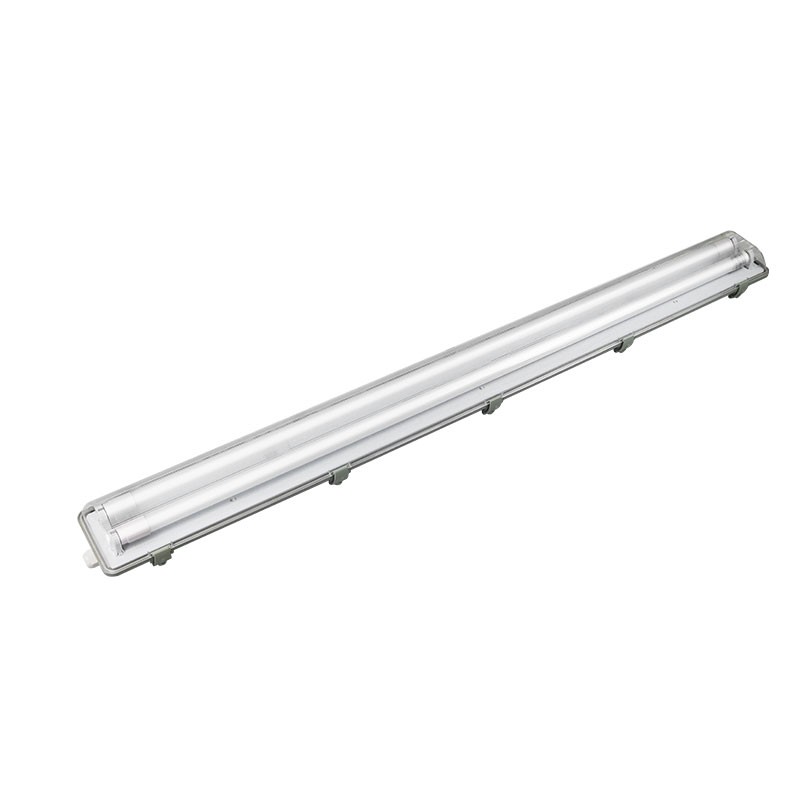
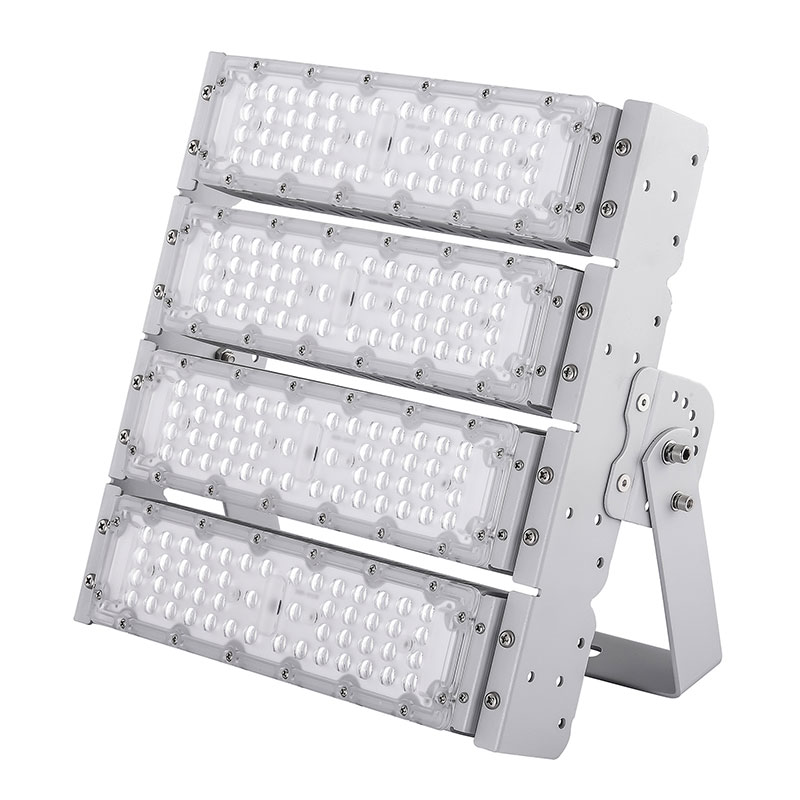


Waterproof LED tube lights have emerged as a game-changer in the lighting industry, offering a versatile and durable solution for both residential and commercial settings. These lights are designed to withstand harsh environmental conditions, making them ideal for areas where moisture and water exposure are common. In this article, we will delve into the world of waterproof LED tube lights, exploring their features, benefits, applications, and the technological advancements that have made them a staple in modern lighting solutions.
Introduction to Waterproof LED Tube Lights
Waterproof LED tube lights are specialized lighting fixtures that are designed to be fully immersed in water without any risk of damage. Unlike traditional incandescent or fluorescent tubes, which can be damaged by moisture, LED technology allows for a high level of durability and reliability. These lights are typically used in areas where water is present, such as bathrooms, kitchens, outdoor patios, garages, and industrial settings.
How Waterproof LED Tube Lights Work
The core of a waterproof LED tube light is the LED (Light Emitting Diode) technology. LEDs are semiconductor devices that emit light when an electric current passes through them. The LED chips are mounted on a circuit board, which is then enclosed in a waterproof housing. This housing is made from materials that are resistant to water and moisture, such as polycarbonate or glass, ensuring that the light can operate in wet conditions without any risk of electrical failure.
Features of Waterproof LED Tube Lights
Several key features set waterproof LED tube lights apart from other lighting options:
– Waterproof Rating: Waterproof LED tube lights come with various IP (Ingress Protection) ratings, indicating their level of resistance to water and dust. Common ratings include IP65, IP67, and IP68, with higher numbers indicating greater protection.
– Energy Efficiency: LED technology is highly energy-efficient, consuming significantly less electricity than traditional lighting sources. This not only reduces energy bills but also helps in reducing the carbon footprint.
– Longevity: LEDs have a much longer lifespan than traditional bulbs, often lasting up to 50,000 hours or more, which means less frequent replacement and lower maintenance costs.
– Color Temperature: Waterproof LED tube lights are available in a range of color temperatures, from warm white to cool white, allowing for customization to suit different lighting needs.
– Dimmable Options: Many waterproof LED tube lights come with dimming capabilities, offering flexibility in adjusting the brightness level to create the desired ambiance.
Benefits of Waterproof LED Tube Lights
The use of waterproof LED tube lights offers several benefits:
– Cost Savings: Due to their energy efficiency and long lifespan, waterproof LED tube lights can lead to significant cost savings over time.
– Environmental Impact: By reducing energy consumption, these lights contribute to a smaller carbon footprint and help in preserving the environment.
– Reliability: The durable construction of waterproof LED tube lights ensures that they can withstand harsh conditions, making them a reliable choice for both indoor and outdoor applications.
– Customization: The variety of color temperatures and dimming options allows for customization to match the specific needs and preferences of the user.
Applications of Waterproof LED Tube Lights
Waterproof LED tube lights find applications in a wide range of settings:
– Residential: They are commonly used in bathrooms, kitchens, laundry rooms, and outdoor areas like patios and decks.
– Commercial: Waterproof LED tube lights are ideal for commercial kitchens, restaurants, supermarkets, and retail stores, as well as for industrial and warehouse lighting.
– Outdoor: These lights are perfect for outdoor lighting in parks, walkways, parking lots, and streetlights.
Technological Advancements
The development of waterproof LED tube lights has been driven by continuous technological advancements:
– Improved Materials: The use of advanced materials in the construction of the housing has enhanced the durability and resistance to water and moisture.
– Optimized Heat Management: Efficient heat sinks and thermal management systems have been integrated to prevent overheating, ensuring the longevity of the LED chips.
– Smart Lighting: Some waterproof LED tube lights are now equipped with smart features, allowing for remote control and integration with home automation systems.
Conclusion
Waterproof LED tube lights have revolutionized the lighting industry by providing a durable, energy-efficient, and versatile lighting solution. With their ability to withstand moisture and water, these lights have become a popular choice for a wide range of applications. As technology continues to advance, we can expect even more innovative features and benefits to be integrated into waterproof LED tube lights, further solidifying their position as a leading lighting option for the future.
 English
 Afrikaans
 Albanian
 Amharic
 Arabic
 Armenian
 Azerbaijani
 Basque
 Belarusian
 Bengali
 Bosnian
 Bulgarian
 Catalan
 Cebuano
 Chichewa
 Corsican
 Croatian
 Czech
Czech Danish
 Dutch
Dutch Esperanto
 Estonian
 Filipino
 Finnish
 French
 Frisian
 Galician
 Georgian
 German
 Greek
Greek Gujarati
 Haitian Creole
 Hausa
Hausa Hawaiian
 Hebrew
 Hindi
Hindi Hmong
Hmong Hungarian
 Icelandic
 Igbo
Igbo Indonesian
 Irish
Irish Italian
 Japanese
 Javanese
 Kannada
 Kazakh
 Khmer
Khmer Korean
 Kurdish (Kurmanji)
 Kyrgyz
 Lao
Lao Latin
Latin Latvian
 Lithuanian
 Luxembourgish
 Macedonian
 Malagasy
 Malay
Malay Malayalam
 Maltese
 Maori
Maori Marathi
 Mongolian
 Myanmar (Burmese)
 Nepali
 Norwegian
 Pashto
 Persian
 Polish
 Portuguese
 Punjabi
 Romanian
 Russian
 Samoan
 Scottish Gaelic
 Serbian
 Sesotho
 Shona
Shona Sindhi
 Sinhala
 Slovak
 Slovenian
 Somali
 Spanish
 Sudanese
 Swahili
 Swedish
 Tajik
Tajik Tamil
Tamil Telugu
 Thai
Thai Turkish
 Ukrainian
 Urdu
Urdu Uzbek
Uzbek Vietnamese
 Welsh
Welsh Xhosa
Xhosa Yiddish
 Yoruba
 Zulu
Zulu