








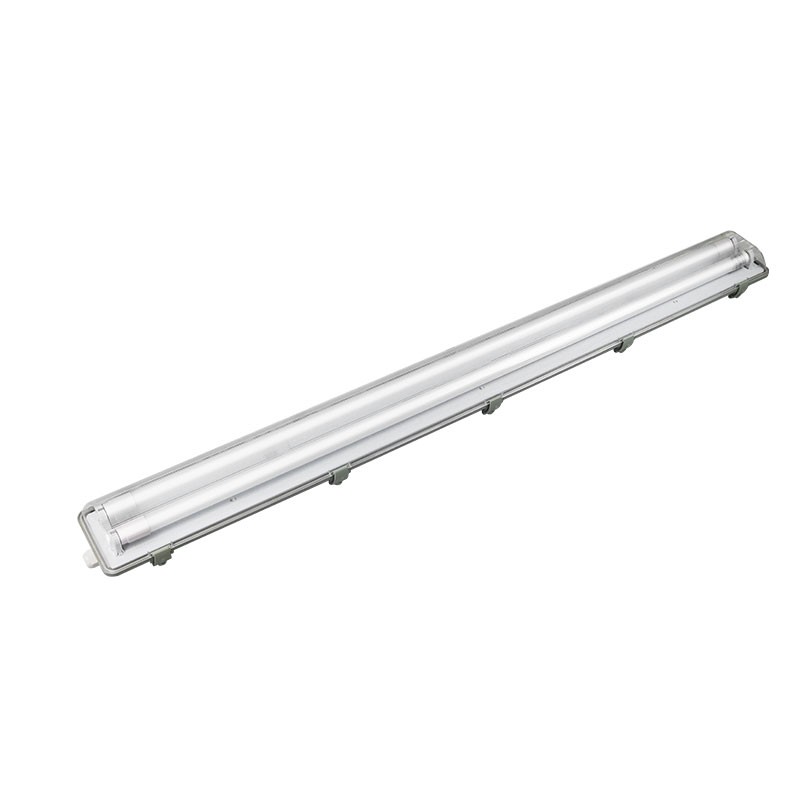
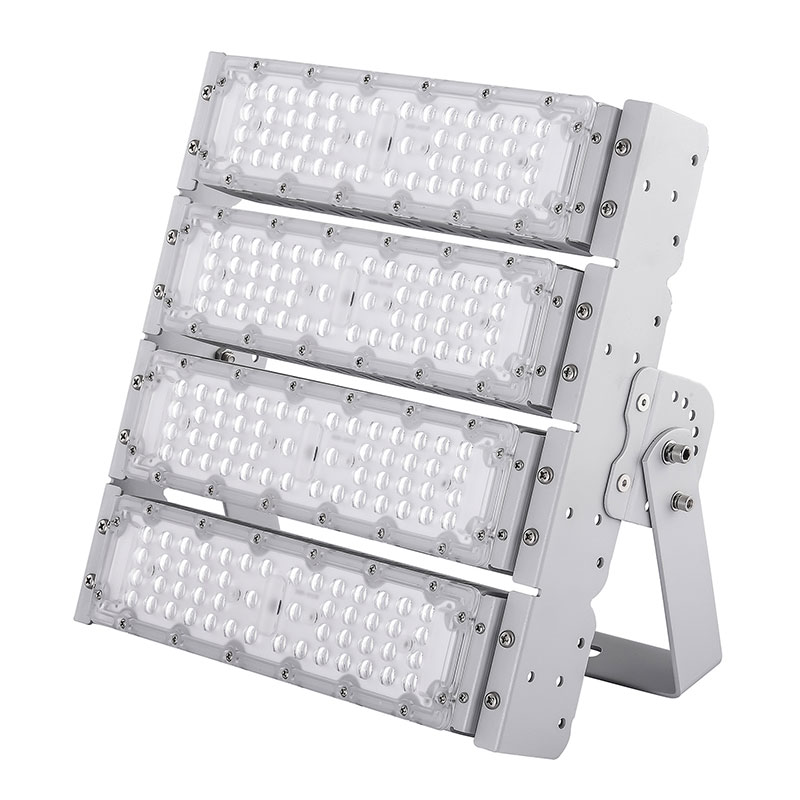


Introducing the Sensor Light Panel: A Revolutionary Lighting Solution
In the ever-evolving world of technology, the integration of sensors and lighting has paved the way for innovative and efficient lighting solutions. One such solution is the Sensor Light Panel, a cutting-edge technology that combines the functionality of sensors with the versatility of lighting. This article delves into the intricacies of Sensor Light Panels, exploring their design, applications, and the impact they have on various industries.
Understanding Sensor Light Panels
Sensor Light Panels are intelligent lighting systems that utilize sensors to detect environmental conditions and adjust the lighting accordingly. These panels are designed to be integrated into various settings, from residential homes to commercial buildings, offering a seamless blend of functionality and aesthetics. The primary components of a Sensor Light Panel include:
– Sensors: These devices detect ambient light, motion, presence, and other environmental factors to control the lighting.
– LED Lights: Energy-efficient LED lights are used to provide illumination, ensuring low power consumption and long lifespan.
– Control Module: The control module processes the sensor data and determines the appropriate lighting settings.
The integration of these components allows Sensor Light Panels to offer dynamic lighting solutions that adapt to the user’s needs and preferences.
Design and Technology
The design of Sensor Light Panels is a testament to modern engineering and innovation. These panels are typically flat and sleek, making them suitable for installation in various environments without compromising on space. The following are key aspects of the design and technology behind Sensor Light Panels:
– Modular Design: Sensor Light Panels are designed with a modular approach, allowing for easy installation and replacement of components.
– Connectivity: These panels often feature Wi-Fi or Bluetooth connectivity, enabling remote control and integration with smart home systems.
– Energy Efficiency: The use of LED lights ensures that Sensor Light Panels consume significantly less energy compared to traditional lighting systems.
The technology behind Sensor Light Panels is constantly evolving, with manufacturers pushing the boundaries of what is possible in lighting technology.
Applications of Sensor Light Panels
Sensor Light Panels have a wide range of applications across various industries. Some of the most common uses include:
– Residential: In homes, Sensor Light Panels can be used to create ambiance, save energy, and enhance safety by automatically adjusting the lighting based on time, motion, and presence detection.
– Commercial: In office buildings, retail spaces, and hotels, Sensor Light Panels can help reduce energy costs, improve productivity, and create a welcoming environment for customers and employees.
– Industrial: Sensor Light Panels are also used in industrial settings, such as factories and warehouses, to provide safe and efficient lighting for workers and machinery.
The versatility of Sensor Light Panels makes them a valuable addition to any setting where lighting control is essential.
Environmental Benefits
One of the most significant advantages of Sensor Light Panels is their positive impact on the environment. By using energy-efficient LED lights and adjusting the lighting based on environmental conditions, these panels can significantly reduce energy consumption. This not only lowers operational costs for businesses but also helps in reducing the carbon footprint.
Moreover, Sensor Light Panels can be designed to be environmentally friendly from the ground up, using sustainable materials and ensuring that the product is recyclable at the end of its life.
Market Trends and Future Prospects
The market for Sensor Light Panels is growing rapidly, driven by the increasing demand for smart home technology and energy-efficient solutions. As technology continues to advance, we can expect the following trends and future prospects:
– Integration with IoT: Sensor Light Panels will become even more intelligent as they integrate with the Internet of Things (IoT), allowing for seamless communication with other smart devices.
– Personalization: Users will have more control over their lighting experience, with customizable settings and the ability to create personalized lighting scenes.
– Increased Energy Efficiency: Ongoing research and development will lead to even more energy-efficient lighting solutions, further reducing the environmental impact.
In conclusion, Sensor Light Panels represent a significant advancement in lighting technology. With their ability to adapt to environmental conditions, energy-efficient design, and versatile applications, these panels are poised to become a staple in the lighting industry. As technology continues to evolve, Sensor Light Panels will undoubtedly play a crucial role in shaping the future of lighting solutions.
 English
 Afrikaans
 Albanian
 Amharic
 Arabic
 Armenian
 Azerbaijani
 Basque
 Belarusian
 Bengali
 Bosnian
 Bulgarian
 Catalan
 Cebuano
 Chichewa
 Corsican
 Croatian
 Czech
Czech Danish
 Dutch
Dutch Esperanto
 Estonian
 Filipino
 Finnish
 French
 Frisian
 Galician
 Georgian
 German
 Greek
Greek Gujarati
 Haitian Creole
 Hausa
Hausa Hawaiian
 Hebrew
 Hindi
Hindi Hmong
Hmong Hungarian
 Icelandic
 Igbo
Igbo Indonesian
 Irish
Irish Italian
 Japanese
 Javanese
 Kannada
 Kazakh
 Khmer
Khmer Korean
 Kurdish (Kurmanji)
 Kyrgyz
 Lao
Lao Latin
Latin Latvian
 Lithuanian
 Luxembourgish
 Macedonian
 Malagasy
 Malay
Malay Malayalam
 Maltese
 Maori
Maori Marathi
 Mongolian
 Myanmar (Burmese)
 Nepali
 Norwegian
 Pashto
 Persian
 Polish
 Portuguese
 Punjabi
 Romanian
 Russian
 Samoan
 Scottish Gaelic
 Serbian
 Sesotho
 Shona
Shona Sindhi
 Sinhala
 Slovak
 Slovenian
 Somali
 Spanish
 Sudanese
 Swahili
 Swedish
 Tajik
Tajik Tamil
Tamil Telugu
 Thai
Thai Turkish
 Ukrainian
 Urdu
Urdu Uzbek
Uzbek Vietnamese
 Welsh
Welsh Xhosa
Xhosa Yiddish
 Yoruba
 Zulu
Zulu
Explore More from Queendom Lamp
Stay updated with the latest LED technology, lighting solutions, and industry insights.
Request a Quote About Queendom