


High power light emitting diode (LED) technology has revolutionized the lighting industry, offering a more efficient, durable, and versatile lighting solution compared to traditional incandescent or fluorescent bulbs. In this article, we delve into the world of high power LED light emitting diodes, exploring their technology, applications, market trends, and future prospects.
Introduction to High Power LED Light Emitting Diodes
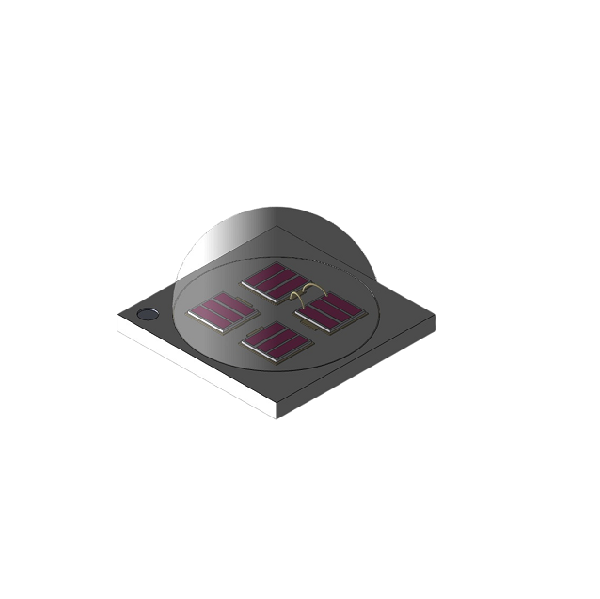
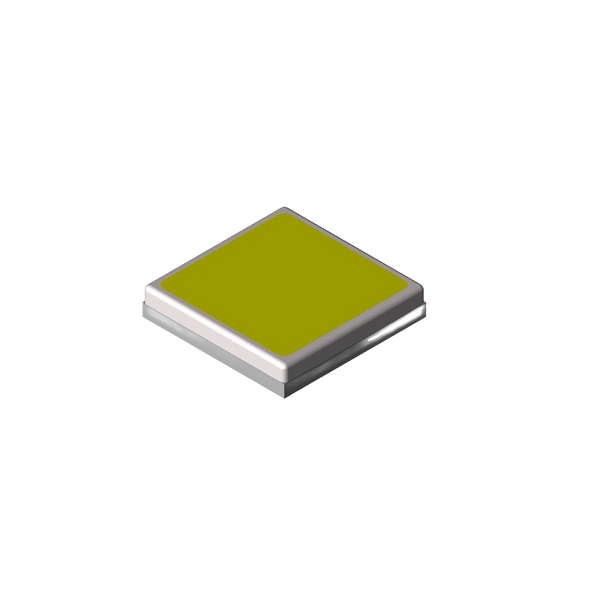
High power LED light emitting diodes, often referred to as high power LEDs, are semiconductor devices that emit light when an electric current passes through them. Unlike traditional light sources, high power LEDs convert a higher percentage of electrical energy into light, resulting in significant energy savings. These diodes operate at higher currents and voltages, making them suitable for applications requiring intense light output.
How High Power LEDs Work
The operation of high power LEDs is based on the principle of electroluminescence, where an electric current excites electrons in a semiconductor material, causing them to recombine with electron holes. This recombination releases energy in the form of photons, which are then emitted as light. The semiconductor material used in high power LEDs is typically a combination of gallium nitride (GaN), indium gallium nitride (InGaN), or aluminum gallium indium phosphide (AlGaInP).
Advantages of High Power LEDs
Several advantages make high power LEDs a preferred choice for various lighting applications:
– Energy Efficiency: High power LEDs can convert up to 80% of electrical energy into light, with the rest being dissipated as heat. This high efficiency translates to significant energy savings and reduced electricity bills.
– Longevity: High power LEDs have a lifespan of up to 50,000 hours, which is significantly longer than traditional bulbs. This longevity reduces maintenance costs and the need for frequent replacements.
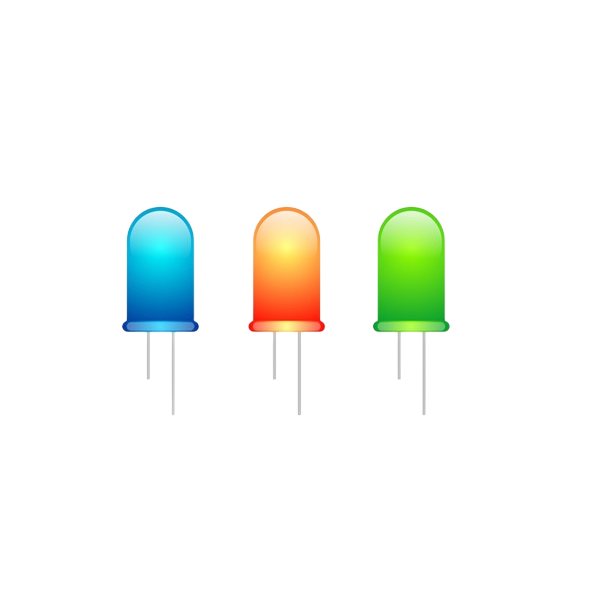
– Color Flexibility: High power LEDs can be designed to emit light in a wide range of colors, from cool white to warm white, and even RGB (red, green, blue) for dynamic lighting effects.
– Small Size: High power LEDs are compact and lightweight, making them ideal for various lighting fixtures and applications where space is limited.
– Environmentally Friendly: High power LEDs do not contain harmful substances like mercury, making them more environmentally friendly than traditional bulbs.
Applications of High Power LEDs
High power LEDs are used in a diverse range of applications, including:
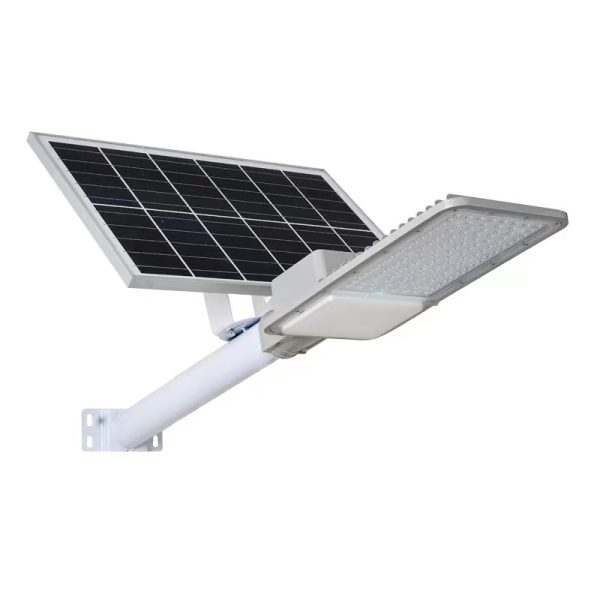
– Outdoor Lighting: High power LEDs are widely used in street lighting, outdoor advertising, and architectural lighting due to their high efficiency and long lifespan.
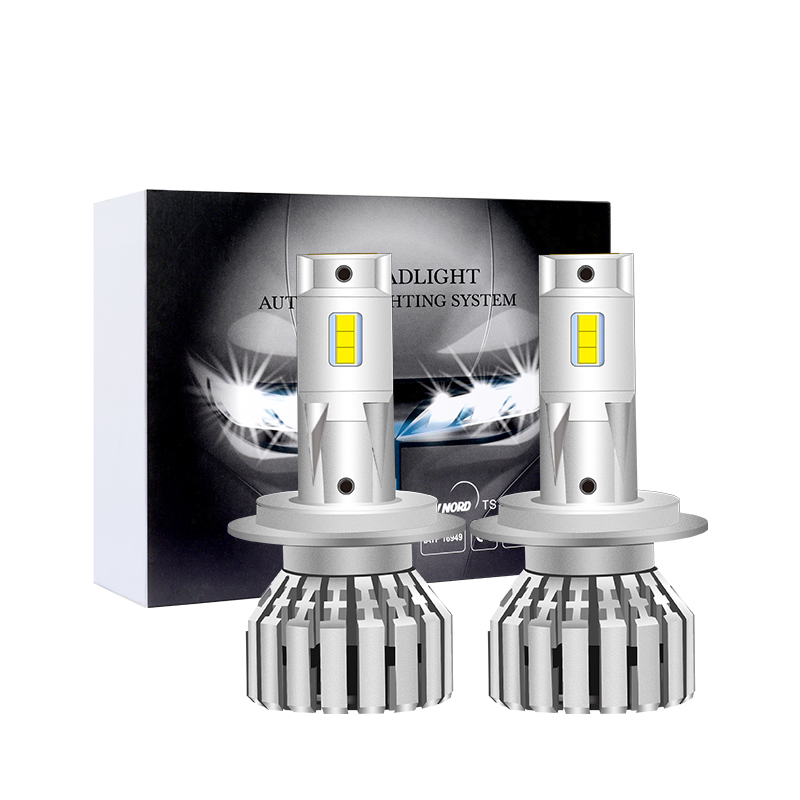
– Automotive Lighting: High power LEDs are increasingly being used in automotive lighting, including headlights, taillights, and brake lights, for their energy efficiency and durability.
– Industrial Lighting: High power LEDs are used in industrial settings for task lighting, flood lighting, and safety lighting, offering improved visibility and energy savings.
– Consumer Lighting: High power LEDs are found in various consumer lighting products, such as LED lamps, downlights, and spotlights, providing a more energy-efficient alternative to traditional bulbs.
– Medical Lighting: High power LEDs are used in medical applications, such as endoscopy and dental lighting, due to their stable light output and color rendering.
Market Trends and Challenges
The high power LED market has experienced significant growth in recent years, driven by factors such as increasing energy awareness, government incentives for energy-efficient lighting, and technological advancements. However, the market also faces challenges, including:
– Price Sensitivity: High power LEDs can be more expensive than traditional bulbs, which may limit their adoption in some markets.
– Heat Management:</strong) High power LEDs generate heat, which can affect their performance and lifespan. Effective thermal management is crucial for optimal performance.
– Quality Control:</strong) Ensuring consistent quality and reliability of high power LEDs is essential for the market's growth, as poor-quality products can damage consumer confidence.
Future Prospects
The future of high power LED technology looks promising, with ongoing research and development aimed at improving efficiency, reducing costs, and expanding applications. Key areas of focus include:
– Material Science:</strong) Advancements in semiconductor materials could lead to higher efficiency and longer lifespan of high power LEDs.
– Thermal Management:</strong) Innovations in thermal management solutions could address the heat-related challenges faced by high power LEDs.
– Smart Lighting:</strong) Integration of high power LEDs with smart technology could enable personalized and energy-efficient lighting solutions.
In conclusion, high power LED light emitting diodes have emerged as a game-changer in the lighting industry, offering numerous benefits over traditional lighting solutions. As technology continues to advance and costs decrease, the adoption of high power LEDs is expected to grow, leading to a more sustainable and energy-efficient future.
 English
 Afrikaans
 Albanian
 Amharic
 Arabic
 Armenian
 Azerbaijani
 Basque
 Belarusian
 Bengali
 Bosnian
 Bulgarian
 Catalan
 Cebuano
 Chichewa
 Corsican
 Croatian
 Czech
Czech Danish
 Dutch
Dutch Esperanto
 Estonian
 Filipino
 Finnish
 French
 Frisian
 Galician
 Georgian
 German
 Greek
Greek Gujarati
 Haitian Creole
 Hausa
Hausa Hawaiian
 Hebrew
 Hindi
Hindi Hmong
Hmong Hungarian
 Icelandic
 Igbo
Igbo Indonesian
 Irish
Irish Italian
 Japanese
 Javanese
 Kannada
 Kazakh
 Khmer
Khmer Korean
 Kurdish (Kurmanji)
 Kyrgyz
 Lao
Lao Latin
Latin Latvian
 Lithuanian
 Luxembourgish
 Macedonian
 Malagasy
 Malay
Malay Malayalam
 Maltese
 Maori
Maori Marathi
 Mongolian
 Myanmar (Burmese)
 Nepali
 Norwegian
 Pashto
 Persian
 Polish
 Portuguese
 Punjabi
 Romanian
 Russian
 Samoan
 Scottish Gaelic
 Serbian
 Sesotho
 Shona
Shona Sindhi
 Sinhala
 Slovak
 Slovenian
 Somali
 Spanish
 Sudanese
 Swahili
 Swedish
 Tajik
Tajik Tamil
Tamil Telugu
 Thai
Thai Turkish
 Ukrainian
 Urdu
Urdu Uzbek
Uzbek Vietnamese
 Welsh
Welsh Xhosa
Xhosa Yiddish
 Yoruba
 Zulu
Zulu
Explore More from Queendom Lamp
Stay updated with the latest LED technology, lighting solutions, and industry insights.
Request a Quote About Queendom