

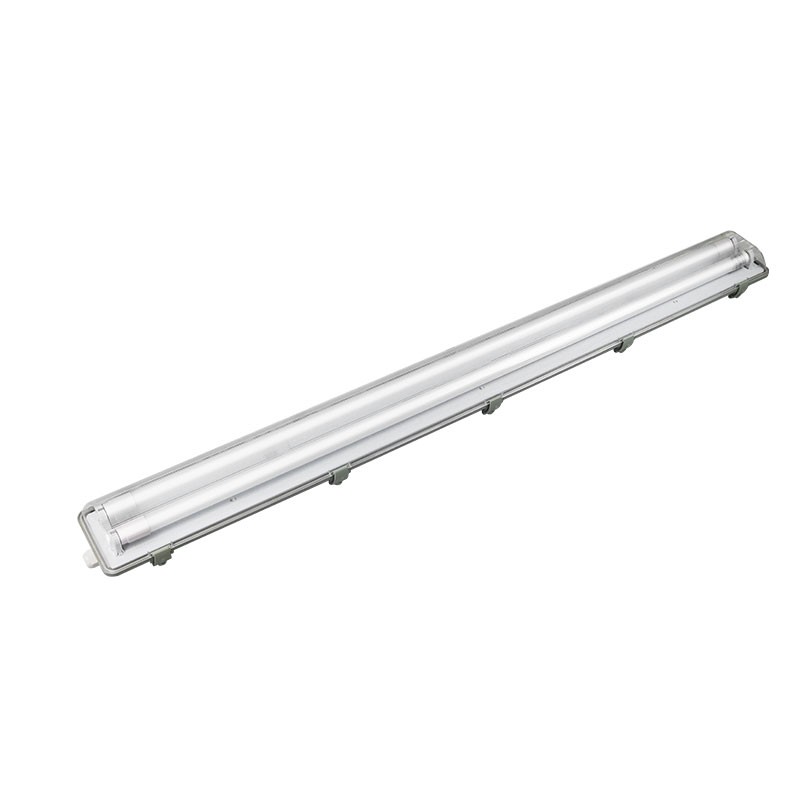
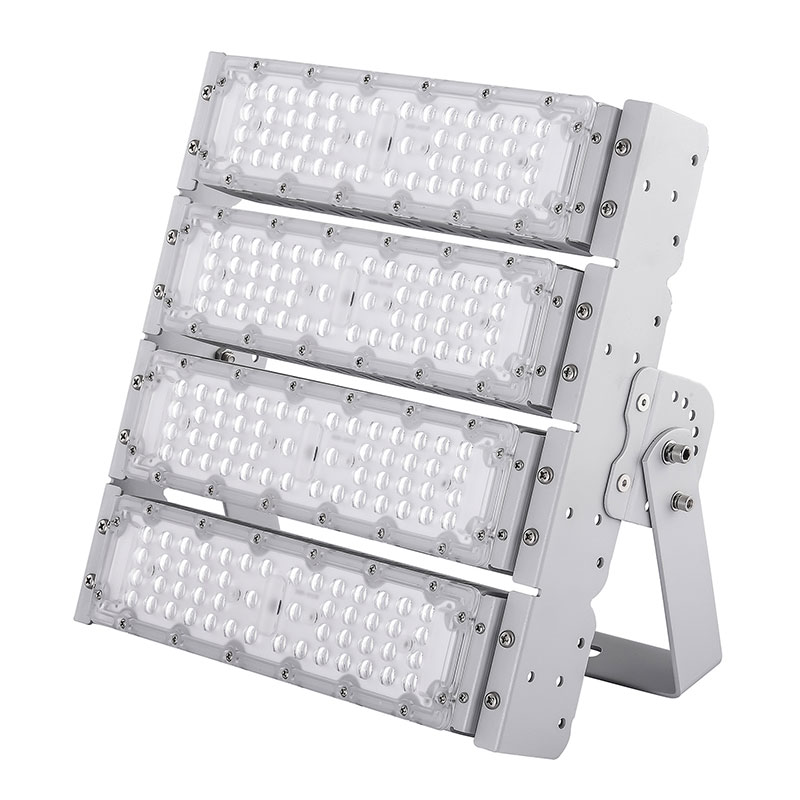
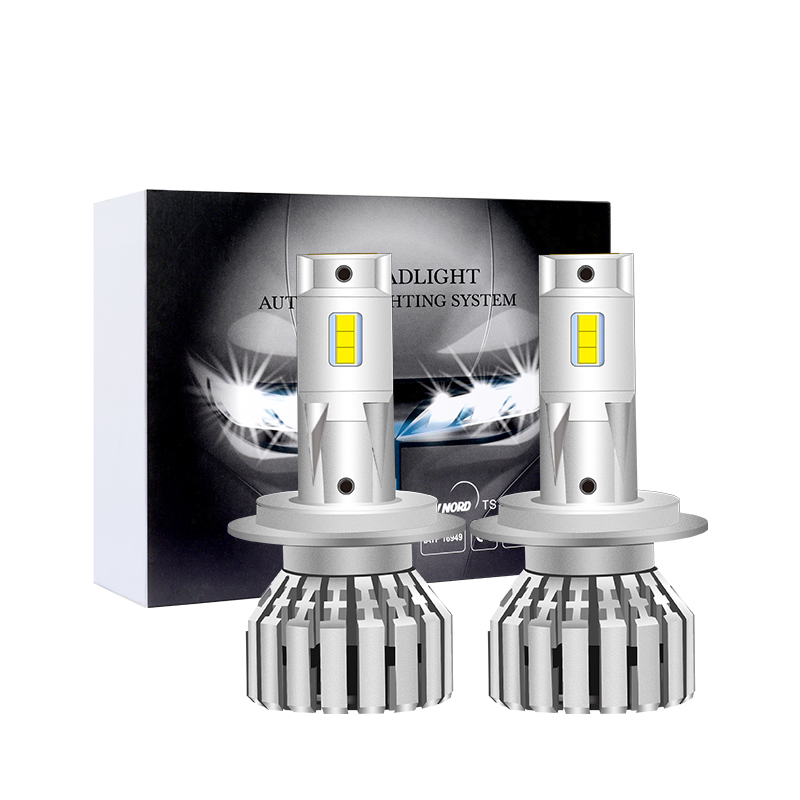
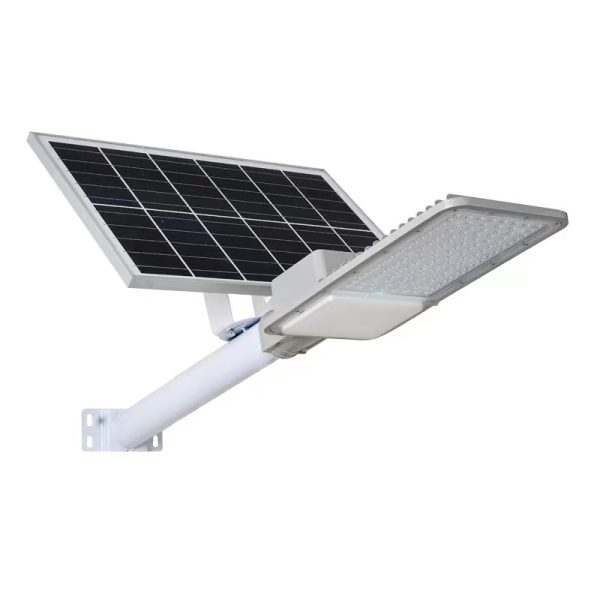
Waterproof and dustproof LED lamps have emerged as a crucial innovation in the lighting industry, offering a versatile solution for both indoor and outdoor applications. These lamps are designed to withstand harsh environmental conditions, making them ideal for use in areas where moisture and dust are prevalent. This article delves into the details of waterproof and dustproof LED lamps, their benefits, applications, and the technology behind them.
Introduction to Waterproof and Dustproof LED Lamps
Waterproof and dustproof LED lamps are specialized lighting fixtures that are engineered to protect the internal components from water and dust. Unlike traditional lighting solutions, these lamps are built with robust materials and advanced sealing techniques to ensure that they remain functional in challenging environments. The term “waterproof” refers to the lamp’s ability to prevent water from entering the interior, while “dustproof” indicates its resistance to dust particles that could otherwise damage the internal electronics.
Benefits of Waterproof and Dustproof LED Lamps
The advantages of using waterproof and dustproof LED lamps are numerous:
1. Longevity: The protective features of these lamps extend their lifespan, reducing the need for frequent replacements.
2. Safety: By preventing water and dust from entering the lamp, the risk of electrical hazards is minimized.
3. Cost-Effectiveness: Despite their initial higher cost, the durability and low maintenance requirements of waterproof and dustproof LED lamps make them a cost-effective long-term investment.
4. Versatility: These lamps can be used in a wide range of settings, from industrial environments to outdoor recreational areas.
Applications of Waterproof and Dustproof LED Lamps
Waterproof and dustproof LED lamps find applications in various industries and settings:
1. Industrial Settings: Factories, warehouses, and manufacturing plants often use these lamps for lighting in areas with high humidity or dust levels.
2. Outdoor Lighting: Public parks, sports facilities, and streetlights in urban areas benefit from the durability and reliability of waterproof and dustproof LED lamps.
3. Marine and Aquatic Environments: Boats, yachts, and marine structures require lighting solutions that can withstand saltwater and harsh weather conditions.
4. Healthcare Facilities: Hospitals and clinics use these lamps in areas where cleanliness is paramount, such as operating rooms and laboratories.
Technology Behind Waterproof and Dustproof LED Lamps
The technology that enables waterproof and dustproof LED lamps to function effectively is a combination of several key components:
1. Sealed Enclosures: The lamps are constructed with tight-fitting enclosures that prevent water and dust from entering the internal components.
2. Waterproof Connectors: The electrical connections are designed to be waterproof, often using specialized connectors that provide a secure seal.
3. Robust Materials: The materials used in the construction of these lamps, such as polycarbonate or stainless steel, are chosen for their resistance to water, dust, and corrosion.
4. Optical Design: The lamps are designed with optical systems that ensure efficient light distribution while maintaining a high level of protection.
Design Considerations
When designing waterproof and dustproof LED lamps, several factors must be considered to ensure optimal performance:
1. IP Rating: The International Protection (IP) rating system classifies the degree of protection provided against intrusion, dust, and water. Lamps are often rated IP65 or higher, indicating a high level of protection.
2. Heat Management: Efficient heat dissipation is crucial to prevent overheating, which can lead to reduced lifespan and performance issues.
3. Light Output: The lamps must provide sufficient light output to meet the requirements of the intended application.
4. Ease of Installation: The design should facilitate easy installation and maintenance, especially in challenging environments.
Market Trends and Future Developments
The market for waterproof and dustproof LED lamps is growing due to the increasing demand for energy-efficient and durable lighting solutions. Future developments in this field may include:
1. Enhanced Performance: Ongoing research and development are focused on improving the performance of these lamps, including higher light output and better energy efficiency.
2. Customization: As the market expands, there is a trend towards customization, allowing for lamps that are tailored to specific environmental and application requirements.
3. Integration with Smart Systems: The integration of waterproof and dustproof LED lamps with smart lighting systems could offer advanced control and automation features.
Conclusion
Waterproof and dustproof LED lamps represent a significant advancement in the lighting industry, providing a reliable and versatile lighting solution for a wide range of applications. With their numerous benefits and growing market demand, these lamps are poised to become an integral part of modern lighting systems, ensuring safety, efficiency, and functionality in challenging environments.
 English
 Afrikaans
 Albanian
 Amharic
 Arabic
 Armenian
 Azerbaijani
 Basque
 Belarusian
 Bengali
 Bosnian
 Bulgarian
 Catalan
 Cebuano
 Chichewa
 Corsican
 Croatian
 Czech
Czech Danish
 Dutch
Dutch Esperanto
 Estonian
 Filipino
 Finnish
 French
 Frisian
 Galician
 Georgian
 German
 Greek
Greek Gujarati
 Haitian Creole
 Hausa
Hausa Hawaiian
 Hebrew
 Hindi
Hindi Hmong
Hmong Hungarian
 Icelandic
 Igbo
Igbo Indonesian
 Irish
Irish Italian
 Japanese
 Javanese
 Kannada
 Kazakh
 Khmer
Khmer Korean
 Kurdish (Kurmanji)
 Kyrgyz
 Lao
Lao Latin
Latin Latvian
 Lithuanian
 Luxembourgish
 Macedonian
 Malagasy
 Malay
Malay Malayalam
 Maltese
 Maori
Maori Marathi
 Mongolian
 Myanmar (Burmese)
 Nepali
 Norwegian
 Pashto
 Persian
 Polish
 Portuguese
 Punjabi
 Romanian
 Russian
 Samoan
 Scottish Gaelic
 Serbian
 Sesotho
 Shona
Shona Sindhi
 Sinhala
 Slovak
 Slovenian
 Somali
 Spanish
 Sudanese
 Swahili
 Swedish
 Tajik
Tajik Tamil
Tamil Telugu
 Thai
Thai Turkish
 Ukrainian
 Urdu
Urdu Uzbek
Uzbek Vietnamese
 Welsh
Welsh Xhosa
Xhosa Yiddish
 Yoruba
 Zulu
Zulu
Explore More from Queendom Lamp
Stay updated with the latest LED technology, lighting solutions, and industry insights.
Request a Quote About Queendom