


LED panel light manufacturers have become a cornerstone in the lighting industry, revolutionizing the way we illuminate spaces with their energy-efficient and innovative products. As the demand for sustainable and high-performance lighting solutions continues to grow, these manufacturers play a pivotal role in shaping the future of lighting technology.
Introduction to LED Panel Light Manufacturers
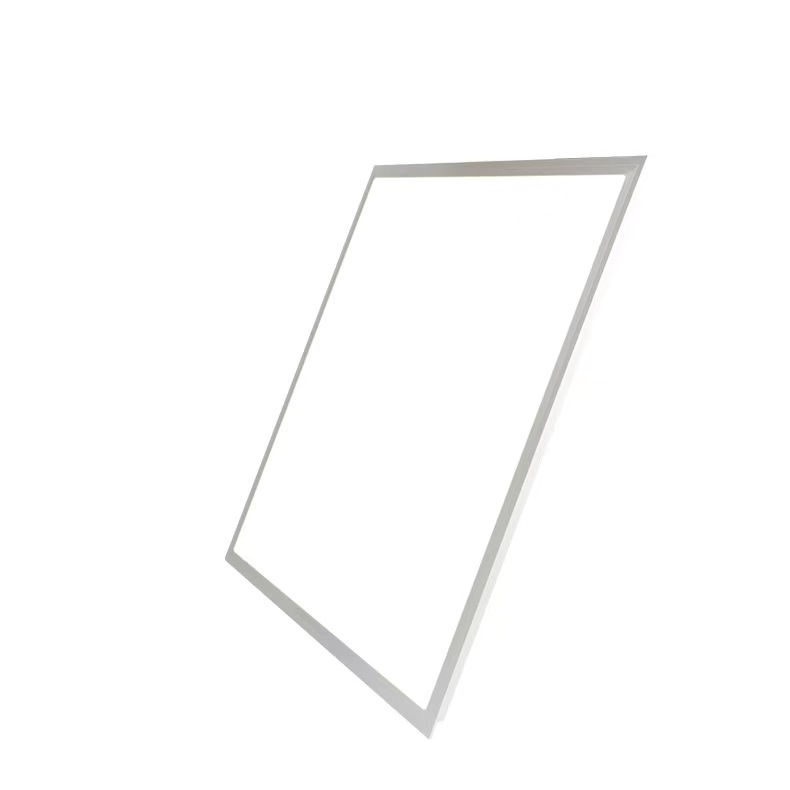
LED panel lights, also known as LED troffers, are a type of lighting fixture that utilizes light-emitting diodes (LEDs) to provide uniform, high-quality illumination. These manufacturers are responsible for designing, producing, and distributing these panels, which are widely used in commercial, residential, and industrial settings. The rise of LED panel light manufacturers can be attributed to several factors, including advancements in LED technology, increasing energy efficiency standards, and the growing awareness of environmental sustainability.
Evolution of LED Technology
The evolution of LED technology has been a key driver in the success of LED panel light manufacturers. Initially, LEDs were known for their high cost and limited color output. However, over the years, significant breakthroughs have been made in terms of efficiency, color rendering, and cost-effectiveness. Today, LEDs are capable of producing a wide range of colors and emit light at a much lower cost than traditional lighting sources.
Energy Efficiency and Environmental Benefits
One of the primary reasons for the popularity of LED panel lights is their exceptional energy efficiency. LED panels consume up to 80% less energy than traditional fluorescent lighting, making them an ideal choice for reducing energy costs and carbon footprints. As environmental concerns continue to rise, LED panel light manufacturers are under pressure to produce even more energy-efficient products that align with global sustainability goals.
Market Segmentation
The LED panel light market is segmented into various categories based on application, technology, and geography. In terms of application, the market is divided into commercial, residential, industrial, and outdoor lighting. Commercial applications include office buildings, retail spaces, and healthcare facilities, while residential applications encompass homes and apartments. Industrial applications include factories, warehouses, and manufacturing plants, and outdoor lighting includes streetlights, parking lots, and sports facilities.
Geographical Distribution
The global LED panel light market is geographically distributed across regions such as North America, Europe, Asia-Pacific, Latin America, and the Middle East and Africa. Asia-Pacific is the largest market for LED panel lights, driven by rapid urbanization, high energy consumption, and increasing awareness of energy-efficient lighting solutions. Europe and North America are also significant markets, with a strong focus on sustainability and energy efficiency.
Key Players and Competition
The LED panel light manufacturing industry is highly competitive, with numerous players vying for market share. Some of the key players in this market include Philips Lighting, OSRAM, GE Lighting, Cree, and Samsung Electronics. These companies invest heavily in research and development to enhance their product offerings and stay ahead of the competition. The competition is not only based on product quality and price but also on innovation, customer service, and distribution networks.
Innovation and New Product Development
Innovation is a crucial aspect of the LED panel light manufacturing industry. Manufacturers are constantly working on new technologies, such as smart lighting systems, which can be controlled remotely via smartphones or other devices. These smart lighting solutions offer enhanced energy management, improved lighting control, and integration with building automation systems. Additionally, manufacturers are exploring the use of organic LEDs (OLEDs) and other advanced materials to further improve the performance and aesthetics of LED panels.
Regulatory Environment and Standards
The regulatory environment plays a significant role in the LED panel light manufacturing industry. Governments around the world have implemented energy efficiency standards and regulations that require lighting products to meet certain criteria. These regulations help to ensure that manufacturers produce products that are energy-efficient and environmentally friendly. Compliance with these standards is essential for LED panel light manufacturers to remain competitive in the global market.
Challenges and Opportunities
Despite the growth and success of LED panel light manufacturers, the industry faces several challenges. One of the main challenges is the rapid pace of technological innovation, which requires continuous investment in research and development. Additionally, the industry is susceptible to fluctuations in raw material prices and supply chain disruptions. However, there are also numerous opportunities, such as the expansion of the global market, the rise of smart lighting solutions, and the increasing demand for energy-efficient lighting in emerging economies.
Conclusion
LED panel light manufacturers have become indispensable in the lighting industry, driving the transition towards sustainable and energy-efficient lighting solutions. With continuous advancements in LED technology and increasing environmental awareness, the role of these manufacturers is expected to grow even stronger. As the industry evolves, LED panel light manufacturers will need to focus on innovation, market expansion, and compliance with global standards to maintain their competitive edge and contribute to a brighter, more sustainable future.
 English
 Afrikaans
 Albanian
 Amharic
 Arabic
 Armenian
 Azerbaijani
 Basque
 Belarusian
 Bengali
 Bosnian
 Bulgarian
 Catalan
 Cebuano
 Chichewa
 Corsican
 Croatian
 Czech
Czech Danish
 Dutch
Dutch Esperanto
 Estonian
 Filipino
 Finnish
 French
 Frisian
 Galician
 Georgian
 German
 Greek
Greek Gujarati
 Haitian Creole
 Hausa
Hausa Hawaiian
 Hebrew
 Hindi
Hindi Hmong
Hmong Hungarian
 Icelandic
 Igbo
Igbo Indonesian
 Irish
Irish Italian
 Japanese
 Javanese
 Kannada
 Kazakh
 Khmer
Khmer Korean
 Kurdish (Kurmanji)
 Kyrgyz
 Lao
Lao Latin
Latin Latvian
 Lithuanian
 Luxembourgish
 Macedonian
 Malagasy
 Malay
Malay Malayalam
 Maltese
 Maori
Maori Marathi
 Mongolian
 Myanmar (Burmese)
 Nepali
 Norwegian
 Pashto
 Persian
 Polish
 Portuguese
 Punjabi
 Romanian
 Russian
 Samoan
 Scottish Gaelic
 Serbian
 Sesotho
 Shona
Shona Sindhi
 Sinhala
 Slovak
 Slovenian
 Somali
 Spanish
 Sudanese
 Swahili
 Swedish
 Tajik
Tajik Tamil
Tamil Telugu
 Thai
Thai Turkish
 Ukrainian
 Urdu
Urdu Uzbek
Uzbek Vietnamese
 Welsh
Welsh Xhosa
Xhosa Yiddish
 Yoruba
 Zulu
Zulu
Explore More from Queendom Lamp
Stay updated with the latest LED technology, lighting solutions, and industry insights.
Request a Quote About Queendom