

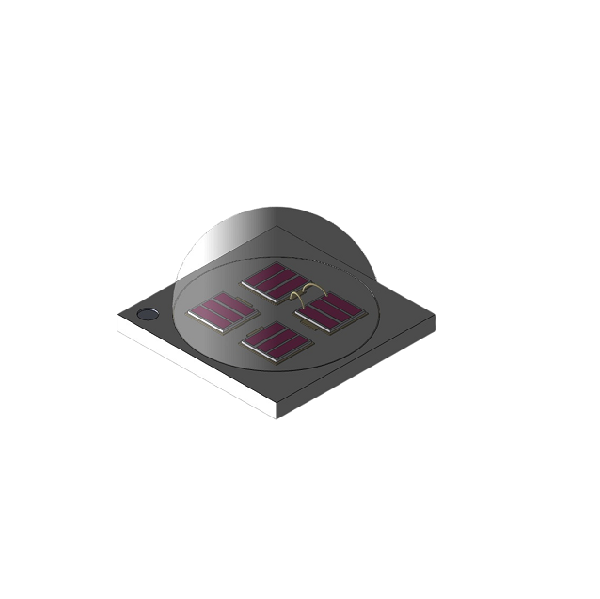

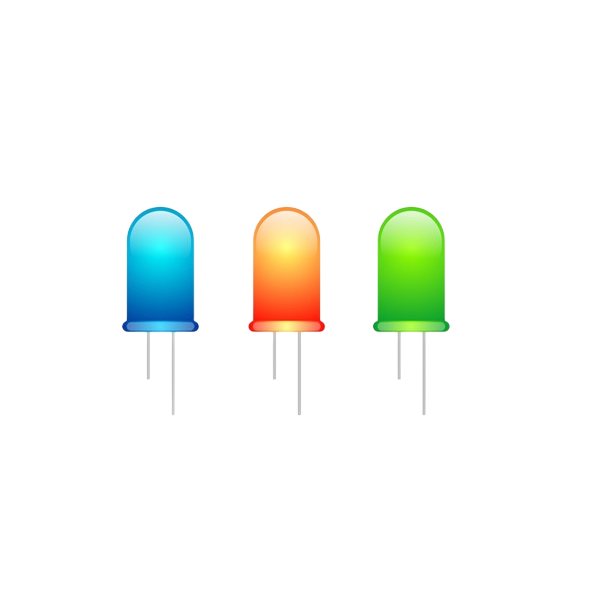
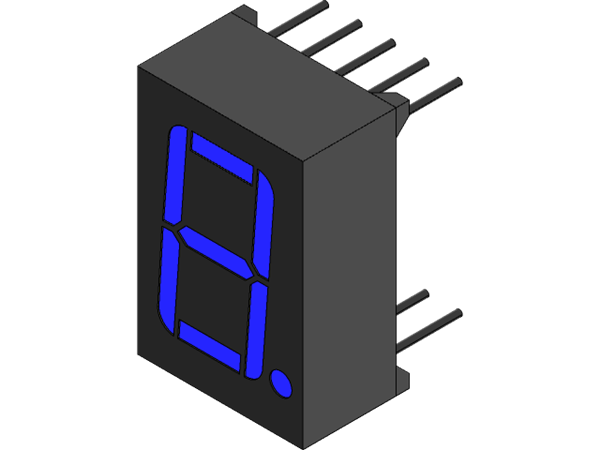
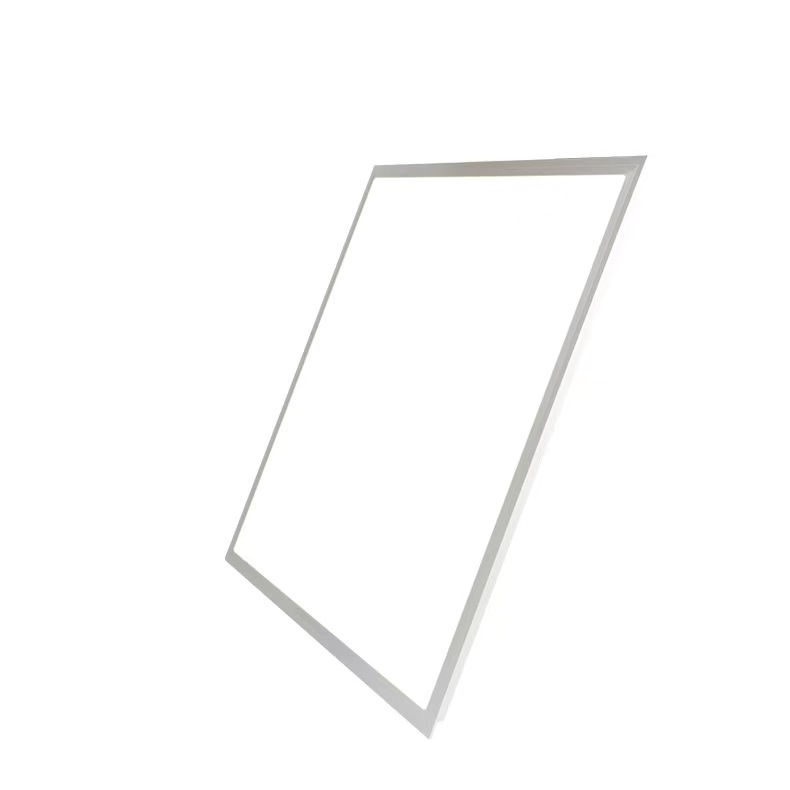
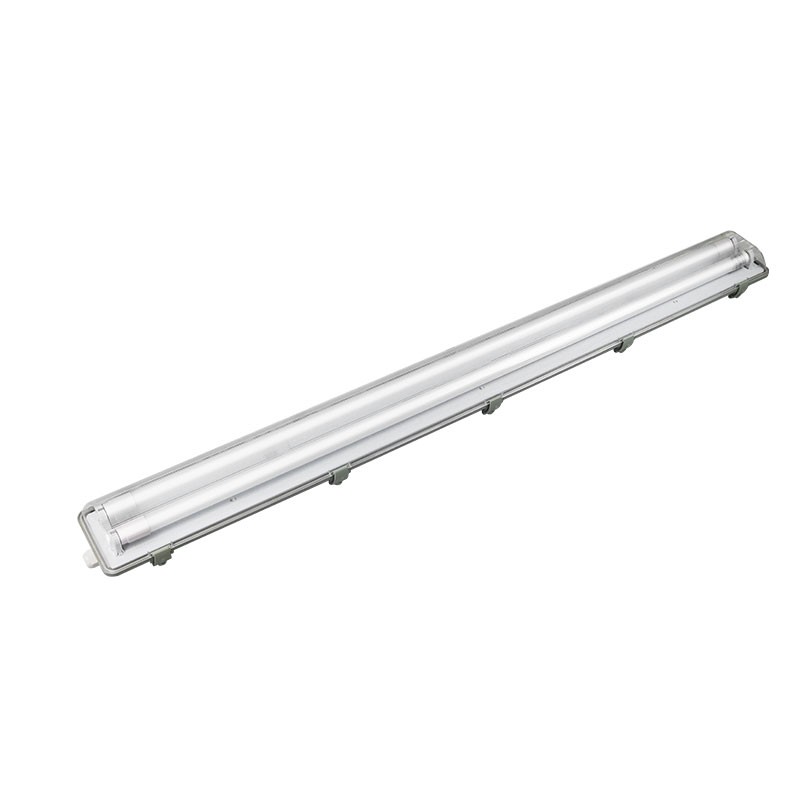
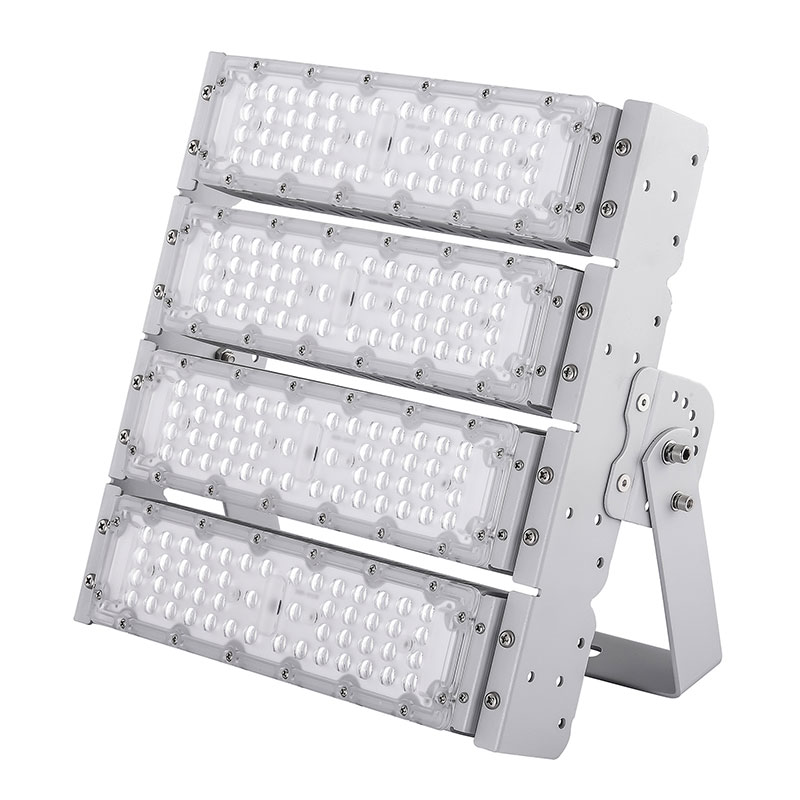
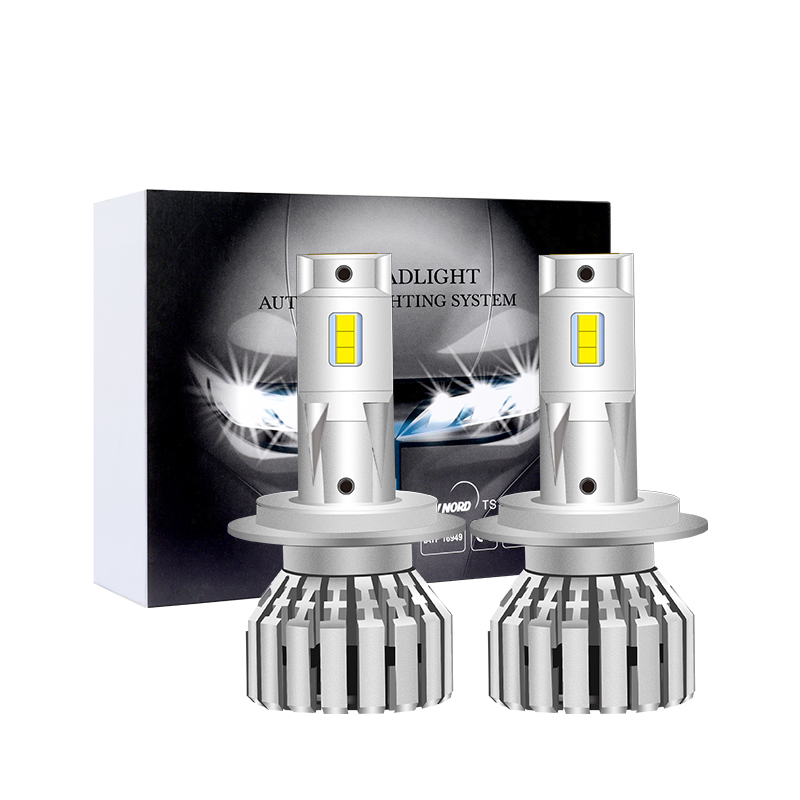
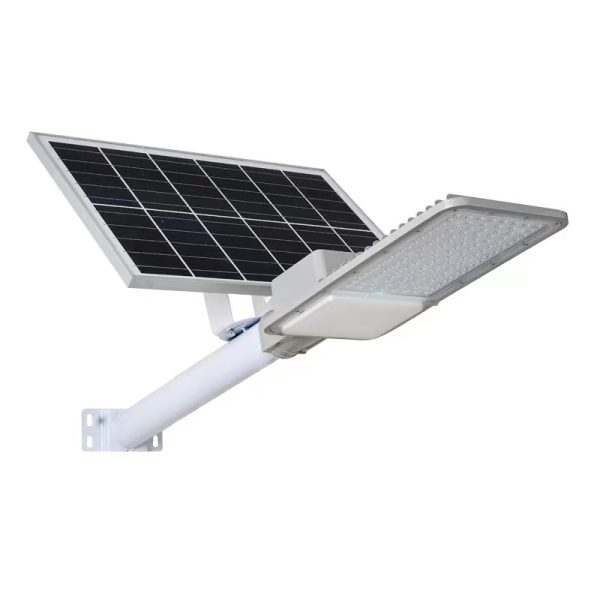
LED high power lamp manufacturers have emerged as key players in the global lighting industry, offering innovative and energy-efficient lighting solutions. These manufacturers produce a wide range of high-intensity LED lamps that are designed to replace traditional lighting sources such as incandescent bulbs, halogen lamps, and fluorescent tubes. This article provides an in-depth introduction to the LED high power lamp manufacturing industry, exploring its history, market trends, technological advancements, and future prospects.
History and Evolution
LED high power lamp manufacturing has its roots in the development of LED technology itself. LEDs, or Light Emitting Diodes, were first discovered in the 1920s, but it wasn’t until the 1960s that they started to be used in practical applications. The early LEDs were small and had limited brightness, which made them suitable for indicator lights and small displays. However, with advancements in semiconductor technology, LEDs began to produce more intense light, paving the way for high power LED lamps.
As the efficiency and brightness of LEDs improved, they started to be used in larger applications, including outdoor lighting, street lighting, and industrial lighting. The mid-2000s saw a significant increase in the adoption of high power LED lamps, driven by their energy-saving benefits and long lifespan. Today, LED high power lamp manufacturers are at the forefront of the global lighting industry, continuously innovating to meet the evolving demands of customers.
Market Trends
The global LED high power lamp market has been witnessing steady growth over the past decade, primarily due to the increasing awareness of energy efficiency and environmental sustainability. Here are some key market trends shaping the industry:
- Energy Efficiency: LED high power lamps consume significantly less energy than traditional lighting sources, making them an attractive option for both residential and commercial applications.
- Environmental Sustainability: With their long lifespan and recyclable materials, LED lamps contribute to reducing e-waste and promoting environmental conservation.
- Technological Advancements: Continuous improvements in LED technology have led to higher luminous efficiency, better color rendering, and more durable products.
- Smart Lighting: The integration of LED technology with smart systems has opened up new possibilities for energy management and personalized lighting experiences.
- Regional Market Dynamics: Different regions have varying growth rates and market sizes, with Asia-Pacific leading the global market due to high demand from China and India.
Technological Advancements
LED high power lamp manufacturers are constantly investing in research and development to enhance the performance and efficiency of their products. Some of the key technological advancements include:
- Phosphor Technology: The use of phosphors has significantly improved the color rendering index (CRI) of LED lamps, making them more suitable for general lighting applications.
- Heat Management: Efficient heat dissipation is crucial for the longevity of LED lamps. Manufacturers are using advanced materials and designs to improve thermal management.
- Driver Technology: High-quality drivers are essential for ensuring stable and efficient power supply to LED lamps. Continuous advancements in driver technology have led to better performance and reliability.
- Customization: LED high power lamps can be customized to meet specific lighting requirements, including color temperature, beam angle, and luminous intensity.
Challenges and Opportunities
While the LED high power lamp manufacturing industry offers numerous opportunities, it also faces several challenges:
- Competition: The industry is highly competitive, with numerous manufacturers vying for market share. This competition can lead to price wars and reduced profit margins.
- Regulatory Compliance: Manufacturers must comply with various regulations and standards, which can be complex and costly to adhere to.
- Raw Material Availability: The availability and cost of raw materials, such as gallium nitride (GaN) and silver, can impact the production costs and supply chain.
- Technological Pace: The rapid pace of technological advancements requires manufacturers to invest in R&D and stay updated with the latest trends.
Despite these challenges, the industry offers significant opportunities for growth, especially in emerging markets and with the increasing demand for energy-efficient lighting solutions.
Future Prospects
The future of the LED high power lamp manufacturing industry looks promising, with several factors contributing to its growth:
- Global Energy Efficiency Initiatives: Governments around the world are implementing policies to promote energy efficiency, which will drive the demand for LED lamps.
- <strong(Environmental Concerns: As environmental concerns continue to grow, more consumers and businesses are expected to switch to LED lighting solutions.
- Innovation and Investment: Ongoing investment in R&D and innovation will lead to the development of new and improved LED products.
- Expansion into New Markets: There is significant potential for growth in developing countries, where the adoption of LED lighting is still in its early stages.
In conclusion, LED high power lamp manufacturers play a crucial role in shaping the future of the global lighting industry. With their focus on energy efficiency, technological innovation, and environmental sustainability, these manufacturers are well-positioned to meet the challenges and capitalize on the opportunities ahead.
 English
 Afrikaans
 Albanian
 Amharic
 Arabic
 Armenian
 Azerbaijani
 Basque
 Belarusian
 Bengali
 Bosnian
 Bulgarian
 Catalan
 Cebuano
 Chichewa
 Corsican
 Croatian
 Czech
Czech Danish
 Dutch
Dutch Esperanto
 Estonian
 Filipino
 Finnish
 French
 Frisian
 Galician
 Georgian
 German
 Greek
Greek Gujarati
 Haitian Creole
 Hausa
Hausa Hawaiian
 Hebrew
 Hindi
Hindi Hmong
Hmong Hungarian
 Icelandic
 Igbo
Igbo Indonesian
 Irish
Irish Italian
 Japanese
 Javanese
 Kannada
 Kazakh
 Khmer
Khmer Korean
 Kurdish (Kurmanji)
 Kyrgyz
 Lao
Lao Latin
Latin Latvian
 Lithuanian
 Luxembourgish
 Macedonian
 Malagasy
 Malay
Malay Malayalam
 Maltese
 Maori
Maori Marathi
 Mongolian
 Myanmar (Burmese)
 Nepali
 Norwegian
 Pashto
 Persian
 Polish
 Portuguese
 Punjabi
 Romanian
 Russian
 Samoan
 Scottish Gaelic
 Serbian
 Sesotho
 Shona
Shona Sindhi
 Sinhala
 Slovak
 Slovenian
 Somali
 Spanish
 Sudanese
 Swahili
 Swedish
 Tajik
Tajik Tamil
Tamil Telugu
 Thai
Thai Turkish
 Ukrainian
 Urdu
Urdu Uzbek
Uzbek Vietnamese
 Welsh
Welsh Xhosa
Xhosa Yiddish
 Yoruba
 Zulu
Zulu
Explore More from Queendom Lamp
Stay updated with the latest LED technology, lighting solutions, and industry insights.
Request a Quote About Queendom