



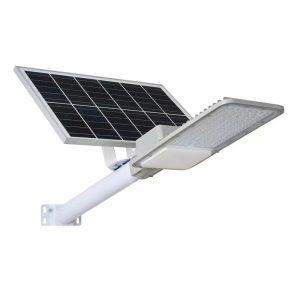
High voltage LED lights have emerged as a revolutionary technology in the lighting industry, offering a combination of efficiency, longevity, and versatility that has transformed the way we illuminate our spaces. These lights operate at higher voltage levels compared to traditional LED lights, which allows for greater power output and extended reach. This article delves into the world of high voltage LED lights, exploring their benefits, applications, and the technological advancements that have made them a staple in various industries.
Introduction to High Voltage LED Lights
High voltage LED lights are designed to operate at voltages ranging from 100V to 500V, which is significantly higher than the standard 12V or 24V used in most household and commercial LED lighting. This higher voltage capability enables these lights to deliver more lumens per watt, making them highly efficient for large-scale applications such as street lighting, industrial lighting, and outdoor advertising.
Benefits of High Voltage LED Lights
The primary advantages of high voltage LED lights include:
1. Energy Efficiency: High voltage LED lights consume less electricity than traditional lighting systems, leading to substantial energy savings over time.
2. Longevity: These lights have a longer lifespan, often exceeding 50,000 hours, which reduces maintenance costs and the frequency of replacements.
3. Cost Savings: The lower energy consumption and longer lifespan of high voltage LED lights result in significant cost savings for businesses and homeowners.
4. Environmental Impact: By reducing energy consumption and waste, high voltage LED lights contribute to a smaller carbon footprint and a more sustainable future.
Applications of High Voltage LED Lights
High voltage LED lights find applications in a wide range of industries:
1. Street Lighting: High voltage LED lights are ideal for street and road lighting due to their long lifespan and energy efficiency, which reduces maintenance and operating costs.
2. Industrial Lighting: Factories, warehouses, and other industrial settings benefit from the high lumen output and low heat generation of high voltage LED lights, which can be used for general illumination and task lighting.
3. Outdoor Advertising: High voltage LED lights are used in billboards and other outdoor advertising displays, offering vibrant colors and high brightness levels that capture the attention of passersby.
4. Agricultural Lighting: High voltage LED lights can be used to supplement natural sunlight in greenhouses and other agricultural settings, promoting plant growth and reducing energy costs.
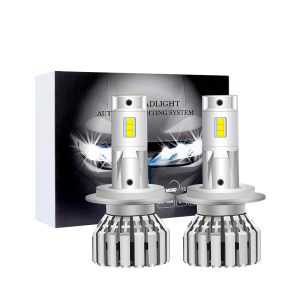
5. Transportation: High voltage LED lights are used in vehicle lighting, including headlights, taillights, and interior lighting, providing efficient and durable illumination.
Technological Advancements
The development of high voltage LED lights has been driven by several technological advancements:
1. Improved LED Chips: Advances in LED chip technology have led to higher efficacy and brightness, making it possible to produce high voltage LED lights with greater lumen output.
2. Driver Technology: The development of high voltage LED drivers has made it possible to safely and efficiently operate these lights at higher voltages.
3. Optical Design: Innovations in optical design have improved the distribution of light, ensuring that high voltage LED lights provide uniform illumination without glare or hotspots.
4. Material Science: The use of advanced materials in the construction of high voltage LED lights has increased their durability and resistance to environmental factors such as heat, moisture, and corrosion.
Challenges and Future Outlook
Despite the many benefits of high voltage LED lights, there are challenges that need to be addressed:
1. Initial Cost: The higher upfront cost of high voltage LED lighting systems can be a barrier for some businesses and homeowners.
2. Regulatory Compliance: Ensuring that high voltage LED lights comply with local regulations and safety standards is crucial for their widespread adoption.
3. Technological Limitations: While there have been significant advancements, there are still limitations in terms of color rendering and dimming capabilities.
Looking to the future, the industry is expected to continue evolving, with further improvements in efficiency, cost, and performance. As technology advances, high voltage LED lights are likely to become even more prevalent in various applications, offering a sustainable and cost-effective solution for lighting needs.
Conclusion
High voltage LED lights represent a significant advancement in the lighting industry, offering numerous benefits that make them a compelling choice for a wide range of applications. As technology continues to improve and costs decrease, high voltage LED lights are poised to become the standard for modern lighting solutions, providing efficient, durable, and sustainable illumination for years to come.
 English
 Afrikaans
 Albanian
 Amharic
 Arabic
 Armenian
 Azerbaijani
 Basque
 Belarusian
 Bengali
 Bosnian
 Bulgarian
 Catalan
 Cebuano
 Chichewa
 Corsican
 Croatian
 Czech
Czech Danish
 Dutch
Dutch Esperanto
 Estonian
 Filipino
 Finnish
 French
 Frisian
 Galician
 Georgian
 German
 Greek
Greek Gujarati
 Haitian Creole
 Hausa
Hausa Hawaiian
 Hebrew
 Hindi
Hindi Hmong
Hmong Hungarian
 Icelandic
 Igbo
Igbo Indonesian
 Irish
Irish Italian
 Japanese
 Javanese
 Kannada
 Kazakh
 Khmer
Khmer Korean
 Kurdish (Kurmanji)
 Kyrgyz
 Lao
Lao Latin
Latin Latvian
 Lithuanian
 Luxembourgish
 Macedonian
 Malagasy
 Malay
Malay Malayalam
 Maltese
 Maori
Maori Marathi
 Mongolian
 Myanmar (Burmese)
 Nepali
 Norwegian
 Pashto
 Persian
 Polish
 Portuguese
 Punjabi
 Romanian
 Russian
 Samoan
 Scottish Gaelic
 Serbian
 Sesotho
 Shona
Shona Sindhi
 Sinhala
 Slovak
 Slovenian
 Somali
 Spanish
 Sudanese
 Swahili
 Swedish
 Tajik
Tajik Tamil
Tamil Telugu
 Thai
Thai Turkish
 Ukrainian
 Urdu
Urdu Uzbek
Uzbek Vietnamese
 Welsh
Welsh Xhosa
Xhosa Yiddish
 Yoruba
 Zulu
Zulu
Explore More from Queendom Lamp
Stay updated with the latest LED technology, lighting solutions, and industry insights.
Request a Quote About Queendom