







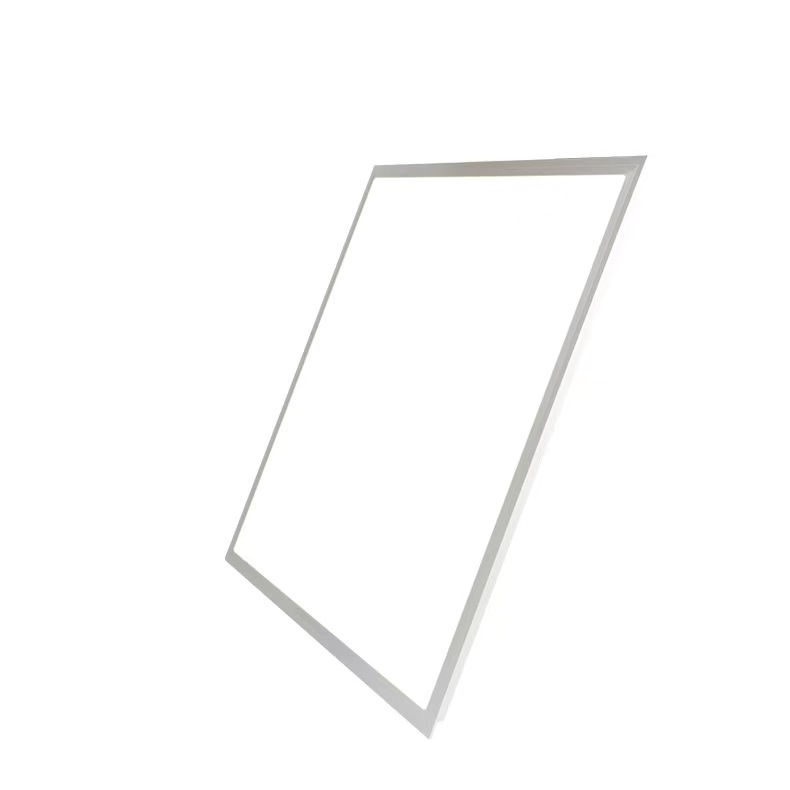
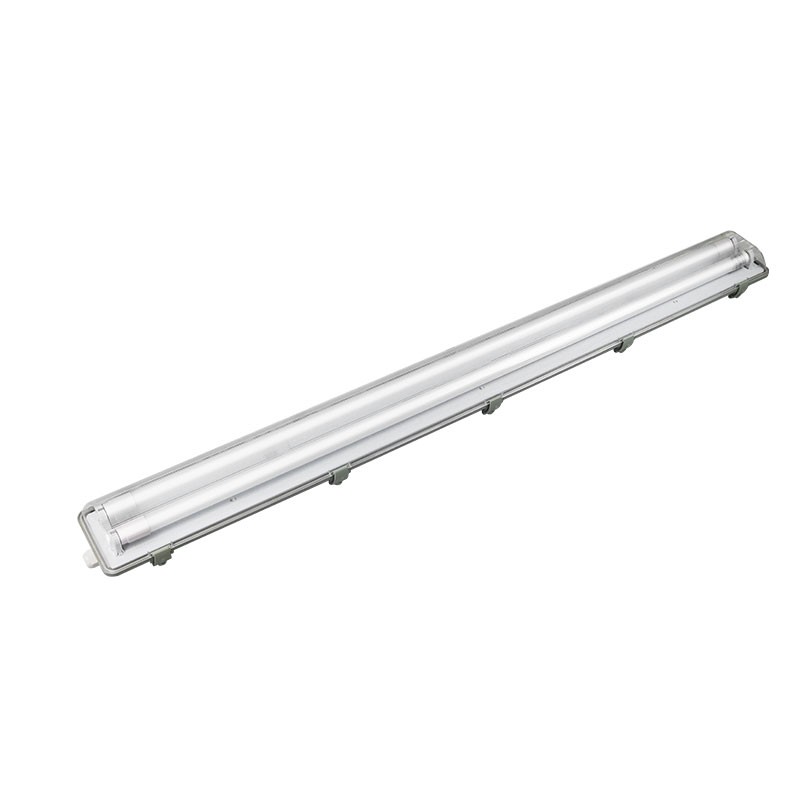
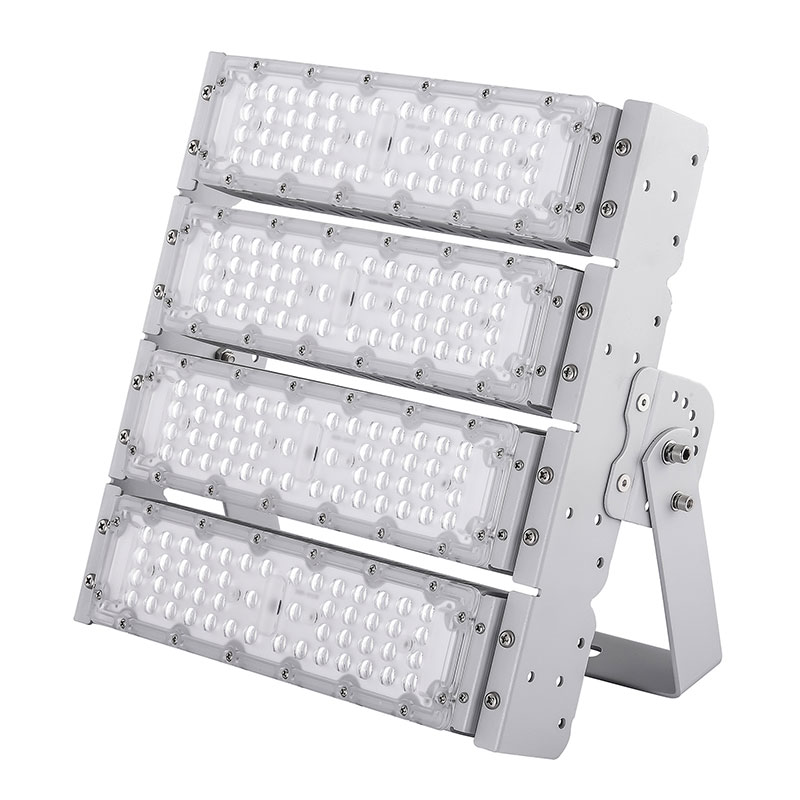


High voltage LED lights have emerged as a revolutionary technology in the lighting industry, offering numerous advantages over traditional lighting solutions. These lights utilize high voltage to power LED bulbs, resulting in efficient, durable, and energy-saving lighting systems. This article delves into the intricacies of high voltage LED lights, their applications, benefits, and the future of this technology.
Introduction to High Voltage LED Lights
High voltage LED lights refer to lighting fixtures that operate at voltages higher than the standard 120V or 230V used in residential and commercial settings. These lights typically operate at voltages ranging from 350V to 1000V, depending on the specific application and design. The use of high voltage in LED lighting systems is primarily driven by the need for increased efficiency and reduced power consumption.
How High Voltage LED Lights Work
High voltage LED lights function by converting high voltage electrical energy into light through the use of LEDs (Light Emitting Diodes). LEDs are semiconductor devices that emit light when an electric current passes through them. In high voltage LED lights, the electrical energy is stepped down to a voltage that is suitable for the LED chips, which then emit light.
The process involves the following steps:
1. The high voltage electrical energy is fed into the lighting fixture.
2. A transformer or inverter within the fixture steps down the voltage to a level that is safe for the LED chips.
3. The stepped-down voltage is then supplied to the LED chips, causing them to emit light.
4. The light is then directed towards the desired area through the use of lenses, reflectors, or diffusers.
Advantages of High Voltage LED Lights
High voltage LED lights offer several advantages over traditional lighting solutions, making them a popular choice for various applications:
1. Energy Efficiency: High voltage LED lights consume significantly less energy than traditional lighting systems, resulting in lower electricity bills and reduced environmental impact.
2. Longevity: LEDs have a much longer lifespan than traditional bulbs, often lasting tens of thousands of hours before needing to be replaced.
3. Cool Operation: LEDs generate very little heat, making them safe to touch and suitable for use in sensitive environments.
4. Directional Lighting: High voltage LED lights can be designed to emit light in a specific direction, allowing for precise control of the lighting area.
5. Dimmability: Many high voltage LED lights are compatible with dimmer switches, offering flexibility in adjusting the brightness level.
6. Color Temperature: High voltage LED lights can be produced in a wide range of color temperatures, from warm to cool, to suit different applications and preferences.
Applications of High Voltage LED Lights
High voltage LED lights find applications in a variety of settings due to their numerous benefits:
1. Industrial Lighting: High voltage LED lights are widely used in industrial settings for task lighting, floodlighting, and outdoor lighting due to their durability and energy efficiency.
2. Transportation: These lights are used in vehicles, trains, and airports for interior and exterior lighting, offering a long-lasting and energy-saving alternative to traditional lighting systems.
3. Outdoor Lighting: High voltage LED lights are ideal for outdoor applications such as street lighting, sports facilities, and parking lots due to their ability to withstand harsh weather conditions.
4. Agricultural Lighting: LED lights are used in greenhouses and indoor farming facilities to provide optimal lighting conditions for plant growth.
5. Horticultural Lighting: High voltage LED lights are used in horticultural applications to promote plant growth and flowering.
Challenges and Considerations
While high voltage LED lights offer many advantages, there are also challenges and considerations to keep in mind:
1. Safety: High voltage systems can be dangerous if not properly installed and maintained. It is crucial to have trained professionals handle the installation and maintenance of high voltage LED lights.
2. Cost: High voltage LED lights may be more expensive upfront compared to traditional lighting solutions, but the long-term savings in energy costs and maintenance can offset this initial investment.
3. Compatibility: Ensuring compatibility with existing electrical systems and infrastructure is essential when integrating high voltage LED lights into a building or facility.
The Future of High Voltage LED Lights
The future of high voltage LED lights looks promising, with ongoing research and development aiming to further improve efficiency, lifespan, and cost-effectiveness. As technology advances, we can expect to see the following developments:
1. Increased Efficiency: New materials and designs are being explored to increase the efficiency of high voltage LED lights, leading to even greater energy savings.
2. Customization: Advances in LED technology will allow for more customization of light output, color temperature, and beam patterns to meet specific application needs.
3. Integration: High voltage LED lights will continue to integrate with smart home and building automation systems, offering greater control and energy management capabilities.
In conclusion, high voltage LED lights have become a vital component of the lighting industry, offering a range of benefits that make them a preferred choice for various applications. As technology continues to evolve, the future of high voltage LED lighting is poised to be brighter, more efficient, and more sustainable.
 English
 Afrikaans
 Albanian
 Amharic
 Arabic
 Armenian
 Azerbaijani
 Basque
 Belarusian
 Bengali
 Bosnian
 Bulgarian
 Catalan
 Cebuano
 Chichewa
 Corsican
 Croatian
 Czech
Czech Danish
 Dutch
Dutch Esperanto
 Estonian
 Filipino
 Finnish
 French
 Frisian
 Galician
 Georgian
 German
 Greek
Greek Gujarati
 Haitian Creole
 Hausa
Hausa Hawaiian
 Hebrew
 Hindi
Hindi Hmong
Hmong Hungarian
 Icelandic
 Igbo
Igbo Indonesian
 Irish
Irish Italian
 Japanese
 Javanese
 Kannada
 Kazakh
 Khmer
Khmer Korean
 Kurdish (Kurmanji)
 Kyrgyz
 Lao
Lao Latin
Latin Latvian
 Lithuanian
 Luxembourgish
 Macedonian
 Malagasy
 Malay
Malay Malayalam
 Maltese
 Maori
Maori Marathi
 Mongolian
 Myanmar (Burmese)
 Nepali
 Norwegian
 Pashto
 Persian
 Polish
 Portuguese
 Punjabi
 Romanian
 Russian
 Samoan
 Scottish Gaelic
 Serbian
 Sesotho
 Shona
Shona Sindhi
 Sinhala
 Slovak
 Slovenian
 Somali
 Spanish
 Sudanese
 Swahili
 Swedish
 Tajik
Tajik Tamil
Tamil Telugu
 Thai
Thai Turkish
 Ukrainian
 Urdu
Urdu Uzbek
Uzbek Vietnamese
 Welsh
Welsh Xhosa
Xhosa Yiddish
 Yoruba
 Zulu
Zulu
Explore More from Queendom Lamp
Stay updated with the latest LED technology, lighting solutions, and industry insights.
Request a Quote About Queendom