





Human body sensing flat panel lights represent a cutting-edge technology that merges the fields of lighting design and human-computer interaction. These innovative lighting systems are capable of detecting the presence and movement of individuals in their vicinity, allowing for dynamic and adaptive lighting experiences. This article delves into the workings, applications, and future prospects of human body sensing flat panel lights, exploring how they are reshaping the landscape of smart homes, commercial spaces, and beyond.
Introduction to Human Body Sensing Flat Panel Lights
Human body sensing flat panel lights are a type of smart lighting that utilizes advanced sensors to detect the presence of people. These sensors can be integrated into flat panel displays, such as LCDs or OLEDs, and are designed to respond to the movement and proximity of individuals. The technology behind these lights is based on various sensor technologies, including infrared, ultrasonic, and capacitive sensors, which allow for accurate and efficient detection.
How Human Body Sensing Flat Panel Lights Work
The operation of human body sensing flat panel lights involves several key components:
1. Sensors: The sensors are responsible for detecting the presence and movement of individuals. They work by emitting signals that interact with the human body, and then measuring the reflected or absorbed signals to determine the presence of a person.
2. Control Unit: The control unit processes the data received from the sensors and determines the appropriate response. This can include adjusting the brightness, color, or even the functionality of the flat panel light.
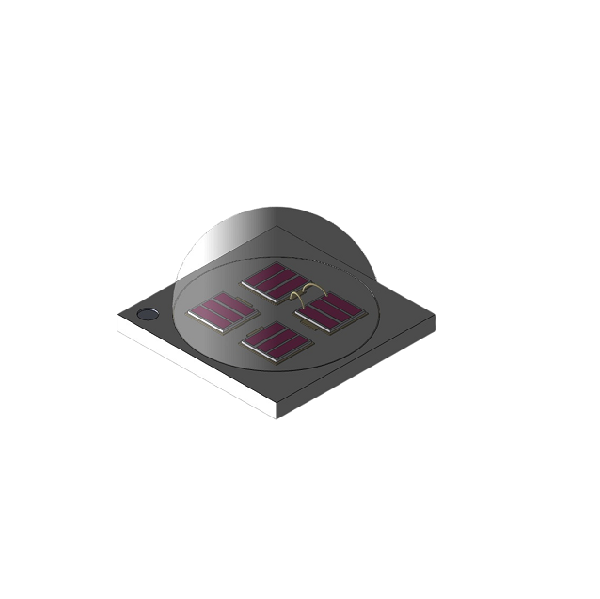
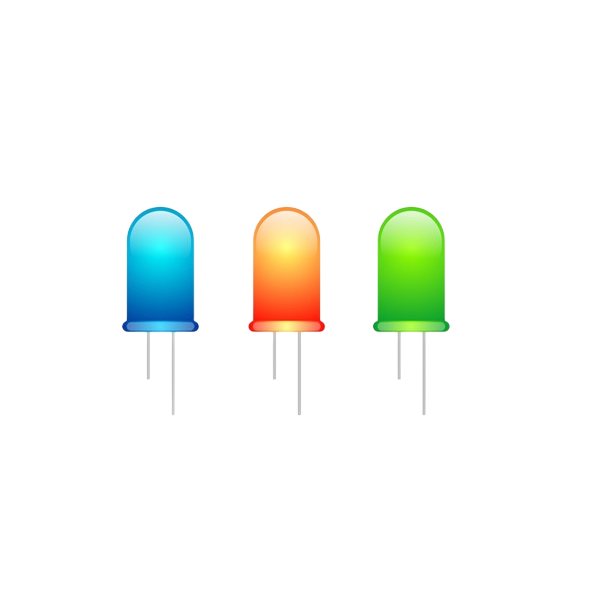
3. Lighting Engine: The lighting engine is the part of the flat panel light that actually produces the light. It can be a traditional LED or an advanced OLED, which can be controlled by the control unit based on the sensor data.
4. User Interface: Some human body sensing flat panel lights include a user interface that allows users to customize their lighting experience. This can be a physical button, a touch-sensitive panel, or even a smartphone app.
Applications of Human Body Sensing Flat Panel Lights
The applications of human body sensing flat panel lights are diverse and include:
1. Smart Homes: In residential settings, these lights can automatically turn on when someone enters a room and turn off when they leave, saving energy and providing a seamless lighting experience.
2. Commercial Spaces: In offices, retail stores, and other commercial environments, these lights can enhance the ambiance and create a more comfortable atmosphere for customers and employees.
3. Healthcare: In hospitals and care facilities, human body sensing flat panel lights can help monitor patients’ movements and provide a safe and secure environment.
4. Public Transportation: These lights can be used in buses, trains, and airports to automatically adjust the lighting based on the number of passengers, improving the overall travel experience.
5. Sports Facilities: In gyms and sports arenas, these lights can adapt to the activities taking place, providing optimal lighting for different sports and events.
Technological Advancements
The technology behind human body sensing flat panel lights has seen significant advancements over the years:
1. Improved Sensing Accuracy: Advances in sensor technology have led to more accurate detection of human presence and movement, reducing false positives and negatives.
2. Energy Efficiency: As the technology has evolved, so has the efficiency of the lighting systems, with many now using LED or OLED technology to provide bright, energy-efficient lighting.
3. Customization: With the integration of user interfaces and smartphone apps, users can now customize their lighting experience to suit their preferences and needs.
4. Integration with Smart Home Systems: Human body sensing flat panel lights are increasingly being integrated with other smart home devices, allowing for a cohesive and seamless smart home experience.
Challenges and Future Prospects
Despite the many benefits of human body sensing flat panel lights, there are still challenges to be addressed:
1. Privacy Concerns: The use of sensors to detect human presence raises privacy concerns, particularly in public spaces. Ensuring that these systems are secure and respect user privacy is crucial.
2. Cost: The cost of implementing human body sensing flat panel lights can be high, particularly in large-scale installations. As the technology becomes more widespread, costs are expected to decrease.
3. Standardization: There is a need for standardized protocols and interfaces to ensure compatibility between different human body sensing flat panel light systems and other smart home devices.
Looking to the future, the prospects for human body sensing flat panel lights are promising. As technology continues to advance, we can expect to see even more sophisticated and efficient lighting systems that enhance our daily lives. The integration of these lights with other smart technologies will further expand their applications, making them an integral part of our homes, workplaces, and public spaces.
 English
 Afrikaans
 Albanian
 Amharic
 Arabic
 Armenian
 Azerbaijani
 Basque
 Belarusian
 Bengali
 Bosnian
 Bulgarian
 Catalan
 Cebuano
 Chichewa
 Corsican
 Croatian
 Czech
Czech Danish
 Dutch
Dutch Esperanto
 Estonian
 Filipino
 Finnish
 French
 Frisian
 Galician
 Georgian
 German
 Greek
Greek Gujarati
 Haitian Creole
 Hausa
Hausa Hawaiian
 Hebrew
 Hindi
Hindi Hmong
Hmong Hungarian
 Icelandic
 Igbo
Igbo Indonesian
 Irish
Irish Italian
 Japanese
 Javanese
 Kannada
 Kazakh
 Khmer
Khmer Korean
 Kurdish (Kurmanji)
 Kyrgyz
 Lao
Lao Latin
Latin Latvian
 Lithuanian
 Luxembourgish
 Macedonian
 Malagasy
 Malay
Malay Malayalam
 Maltese
 Maori
Maori Marathi
 Mongolian
 Myanmar (Burmese)
 Nepali
 Norwegian
 Pashto
 Persian
 Polish
 Portuguese
 Punjabi
 Romanian
 Russian
 Samoan
 Scottish Gaelic
 Serbian
 Sesotho
 Shona
Shona Sindhi
 Sinhala
 Slovak
 Slovenian
 Somali
 Spanish
 Sudanese
 Swahili
 Swedish
 Tajik
Tajik Tamil
Tamil Telugu
 Thai
Thai Turkish
 Ukrainian
 Urdu
Urdu Uzbek
Uzbek Vietnamese
 Welsh
Welsh Xhosa
Xhosa Yiddish
 Yoruba
 Zulu
Zulu
Explore More from Queendom Lamp
Stay updated with the latest LED technology, lighting solutions, and industry insights.
Request a Quote About Queendom