





High current LEDs, also known as high-power LEDs, have become a significant breakthrough in the lighting industry. These LEDs can emit a higher intensity of light compared to traditional LEDs, making them ideal for various applications such as street lighting, industrial lighting, and large-scale event lighting. In this article, we will explore the evolution, applications, and future prospects of high current LEDs.
Evolution of High Current LEDs
High current LEDs have a long history, dating back to the early 2000s. Initially, these LEDs were developed for niche applications such as automotive lighting and high-bay lighting. However, with the advancement of technology and the increasing demand for energy-efficient lighting solutions, high current LEDs have gained popularity in various industries.
The evolution of high current LEDs can be attributed to several factors:
1. Improved material science: The development of new materials, such as gallium nitride (GaN), has allowed for the creation of LEDs with higher efficiency and brightness.
2. Enhanced thermal management: Efficient heat dissipation is crucial for high current LEDs to prevent overheating and maintain their lifespan. Advances in thermal management have enabled the use of high current LEDs in more demanding applications.
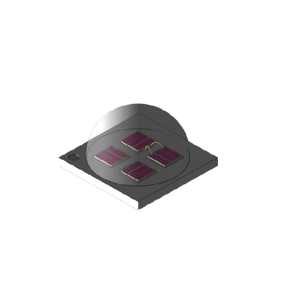
3. Improved packaging technology: The development of advanced packaging techniques has allowed for the integration of multiple LEDs into a single package, increasing the overall brightness and efficiency of high current LEDs.
Applications of High Current LEDs
High current LEDs have found applications in various industries, thanks to their high brightness, energy efficiency, and long lifespan. Some of the key applications include:
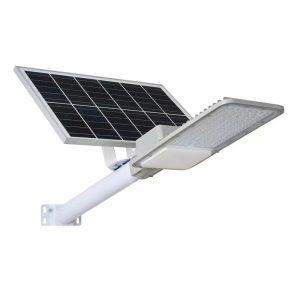
1. Street lighting: High current LEDs are increasingly being used in street lighting due to their energy efficiency and long lifespan. They can reduce energy consumption by up to 70% compared to traditional street lights.
2. Industrial lighting: High current LEDs are ideal for industrial lighting applications, such as warehouses, factories, and manufacturing plants. They provide uniform lighting, reducing the risk of accidents and improving productivity.
3. Large-scale event lighting: High current LEDs are commonly used in large-scale events, such as concerts, sports events, and festivals. Their high brightness and versatility make them perfect for creating stunning visual effects.
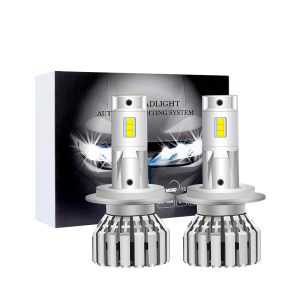
4. Automotive lighting: High current LEDs are being used in automotive lighting, including headlights, taillights, and brake lights. They offer improved visibility, reduced energy consumption, and a sleeker design.
Advantages of High Current LEDs
High current LEDs offer several advantages over traditional lighting solutions, making them a popular choice for various applications:
1. Energy efficiency: High current LEDs consume significantly less energy than traditional lighting solutions, leading to lower energy bills and reduced carbon emissions.
2. Long lifespan: High current LEDs have a longer lifespan compared to traditional lighting solutions, reducing maintenance costs and the need for frequent replacements.
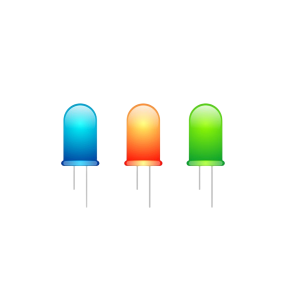
3. Versatility: High current LEDs come in various colors, intensities, and beam angles, making them suitable for a wide range of applications.
4. Environmental friendliness: High current LEDs are free from harmful substances such as mercury, making them an environmentally friendly choice.
Challenges and Future Prospects
Despite their numerous advantages, high current LEDs face several challenges:
1. Cost: High current LEDs can be more expensive than traditional lighting solutions, particularly for large-scale projects.
2. Heat management: Efficient heat dissipation is crucial for high current LEDs to maintain their performance and lifespan.
3. Color rendering: Some high current LEDs may have issues with color rendering, affecting the quality of the light produced.
Looking ahead, the future of high current LEDs appears promising. Ongoing research and development efforts are focused on addressing the challenges mentioned above. Some of the key areas of innovation include:
1. Cost reduction: Efforts are being made to reduce the cost of high current LEDs, making them more accessible for various applications.
2. Improved thermal management: New materials and technologies are being developed to enhance the thermal management of high current LEDs.
3. Enhanced color rendering: Research is being conducted to improve the color rendering of high current LEDs, ensuring they produce high-quality light.
In conclusion, high current LEDs have revolutionized the lighting industry, offering energy-efficient, versatile, and environmentally friendly lighting solutions. As technology continues to advance, high current LEDs are expected to become even more prevalent in various applications, driving the transition towards a sustainable future.
 English
 Afrikaans
 Albanian
 Amharic
 Arabic
 Armenian
 Azerbaijani
 Basque
 Belarusian
 Bengali
 Bosnian
 Bulgarian
 Catalan
 Cebuano
 Chichewa
 Corsican
 Croatian
 Czech
Czech Danish
 Dutch
Dutch Esperanto
 Estonian
 Filipino
 Finnish
 French
 Frisian
 Galician
 Georgian
 German
 Greek
Greek Gujarati
 Haitian Creole
 Hausa
Hausa Hawaiian
 Hebrew
 Hindi
Hindi Hmong
Hmong Hungarian
 Icelandic
 Igbo
Igbo Indonesian
 Irish
Irish Italian
 Japanese
 Javanese
 Kannada
 Kazakh
 Khmer
Khmer Korean
 Kurdish (Kurmanji)
 Kyrgyz
 Lao
Lao Latin
Latin Latvian
 Lithuanian
 Luxembourgish
 Macedonian
 Malagasy
 Malay
Malay Malayalam
 Maltese
 Maori
Maori Marathi
 Mongolian
 Myanmar (Burmese)
 Nepali
 Norwegian
 Pashto
 Persian
 Polish
 Portuguese
 Punjabi
 Romanian
 Russian
 Samoan
 Scottish Gaelic
 Serbian
 Sesotho
 Shona
Shona Sindhi
 Sinhala
 Slovak
 Slovenian
 Somali
 Spanish
 Sudanese
 Swahili
 Swedish
 Tajik
Tajik Tamil
Tamil Telugu
 Thai
Thai Turkish
 Ukrainian
 Urdu
Urdu Uzbek
Uzbek Vietnamese
 Welsh
Welsh Xhosa
Xhosa Yiddish
 Yoruba
 Zulu
Zulu
Explore More from Queendom Lamp
Stay updated with the latest LED technology, lighting solutions, and industry insights.
Request a Quote About Queendom