

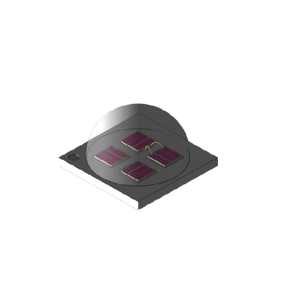
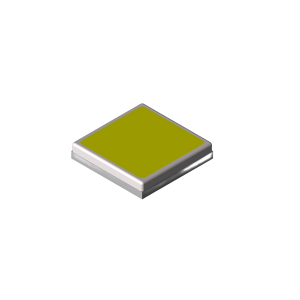

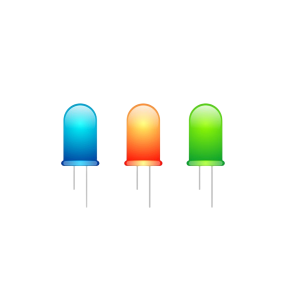





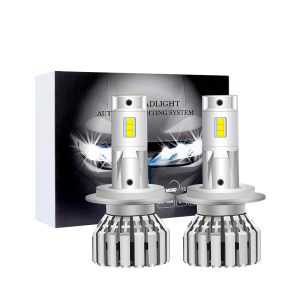
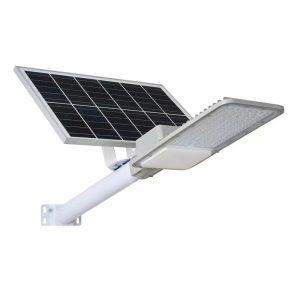
LED light infrared technology has emerged as a significant innovation in the lighting industry, offering a unique blend of energy efficiency and advanced functionality. This article delves into the world of LED light infrared, exploring its applications, benefits, and the technological advancements that have made it a prominent player in the market.
Introduction to LED Light Infrared
LED light infrared refers to the use of Light Emitting Diodes (LEDs) that emit infrared radiation in addition to visible light. Unlike traditional infrared sources, LED infrared technology provides a more targeted and efficient way to emit infrared light, making it ideal for various applications.
How LED Light Infrared Works
LEDs are semiconductor devices that emit light when an electric current passes through them. In the case of LED light infrared, the semiconductor material used is designed to emit infrared radiation. This is achieved by controlling the energy levels of the electrons within the semiconductor, which determines the wavelength of the emitted light.
The process of emitting infrared light from an LED involves the following steps:
1. An electric current is applied to the LED.
2. Electrons in the semiconductor material gain energy and move to higher energy levels.
3. As the electrons return to their original energy levels, they release energy in the form of photons.
4. Some of these photons have wavelengths within the infrared spectrum, which are then emitted as infrared light.
Applications of LED Light Infrared
LED light infrared technology has found applications in a wide range of fields, including:
1. Home Lighting: Infrared LEDs can be used in smart lighting systems to provide both visible and infrared light, enabling advanced features such as motion detection and remote control.
2. Medical Devices: Infrared LEDs are used in medical devices for thermal imaging, wound healing, and phototherapy.
3. Industrial Automation: Infrared LEDs are employed in industrial settings for sensing, positioning, and control systems.
4. Agriculture: Infrared lighting is used in agricultural applications to promote plant growth and improve crop yields.
5. Security: Infrared LEDs are used in security systems for motion detection and surveillance.
Benefits of LED Light Infrared
The use of LED light infrared technology offers several advantages over traditional lighting methods:
1. Energy Efficiency: LEDs are highly energy-efficient, consuming significantly less power than traditional bulbs and lamps.
2. Longevity: LED lights have a longer lifespan, often lasting tens of thousands of hours, reducing maintenance and replacement costs.
3. Directional Lighting: LEDs emit light in a specific direction, reducing the need for diffusers and allowing for more focused lighting.
4. Cool Operation: LED lights operate at a much lower temperature than traditional bulbs, making them safer to handle and reducing the risk of fire.
5. Environmental Friendly: LEDs do not contain harmful materials such as mercury, making them more environmentally friendly.
Technological Advancements
The development of LED light infrared technology has been driven by several technological advancements:
1. Material Science: The discovery and development of new semiconductor materials with higher efficiency in emitting infrared light have significantly improved the performance of LED infrared devices.
2. Optical Design: Advances in optical design have allowed for the creation of more efficient and targeted infrared light sources.
3. Thermal Management: As LED infrared devices generate heat, advancements in thermal management have been crucial in ensuring the longevity and reliability of these devices.
4. Control Systems: The integration of control systems has allowed for the creation of smart LED infrared solutions that can adapt to changing environments and user needs.
Market Trends and Future Outlook
The market for LED light infrared technology is expected to grow significantly in the coming years due to the increasing demand for energy-efficient and advanced lighting solutions. As the technology continues to evolve, we can expect to see further integration with smart home systems, expansion into new applications, and the development of even more efficient and cost-effective solutions.
In conclusion, LED light infrared technology represents a groundbreaking advancement in the lighting industry. With its numerous applications, clear benefits, and continuous technological improvements, LED light infrared is poised to play a crucial role in shaping the future of lighting and related industries.
 English
 Afrikaans
 Albanian
 Amharic
 Arabic
 Armenian
 Azerbaijani
 Basque
 Belarusian
 Bengali
 Bosnian
 Bulgarian
 Catalan
 Cebuano
 Chichewa
 Corsican
 Croatian
 Czech
Czech Danish
 Dutch
Dutch Esperanto
 Estonian
 Filipino
 Finnish
 French
 Frisian
 Galician
 Georgian
 German
 Greek
Greek Gujarati
 Haitian Creole
 Hausa
Hausa Hawaiian
 Hebrew
 Hindi
Hindi Hmong
Hmong Hungarian
 Icelandic
 Igbo
Igbo Indonesian
 Irish
Irish Italian
 Japanese
 Javanese
 Kannada
 Kazakh
 Khmer
Khmer Korean
 Kurdish (Kurmanji)
 Kyrgyz
 Lao
Lao Latin
Latin Latvian
 Lithuanian
 Luxembourgish
 Macedonian
 Malagasy
 Malay
Malay Malayalam
 Maltese
 Maori
Maori Marathi
 Mongolian
 Myanmar (Burmese)
 Nepali
 Norwegian
 Pashto
 Persian
 Polish
 Portuguese
 Punjabi
 Romanian
 Russian
 Samoan
 Scottish Gaelic
 Serbian
 Sesotho
 Shona
Shona Sindhi
 Sinhala
 Slovak
 Slovenian
 Somali
 Spanish
 Sudanese
 Swahili
 Swedish
 Tajik
Tajik Tamil
Tamil Telugu
 Thai
Thai Turkish
 Ukrainian
 Urdu
Urdu Uzbek
Uzbek Vietnamese
 Welsh
Welsh Xhosa
Xhosa Yiddish
 Yoruba
 Zulu
Zulu
Explore More from Queendom Lamp
Stay updated with the latest LED technology, lighting solutions, and industry insights.
Request a Quote About Queendom