







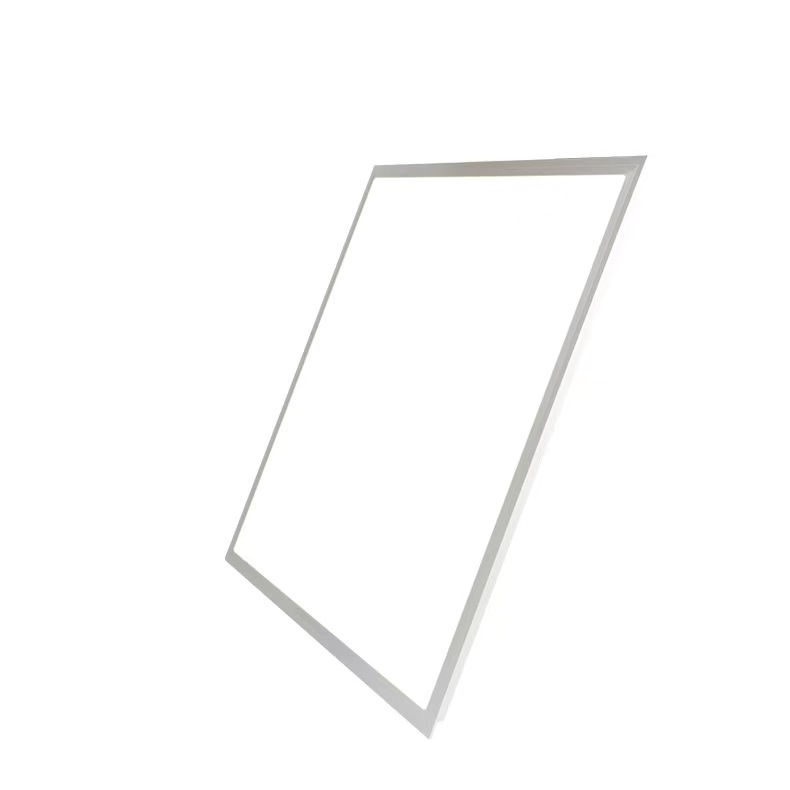
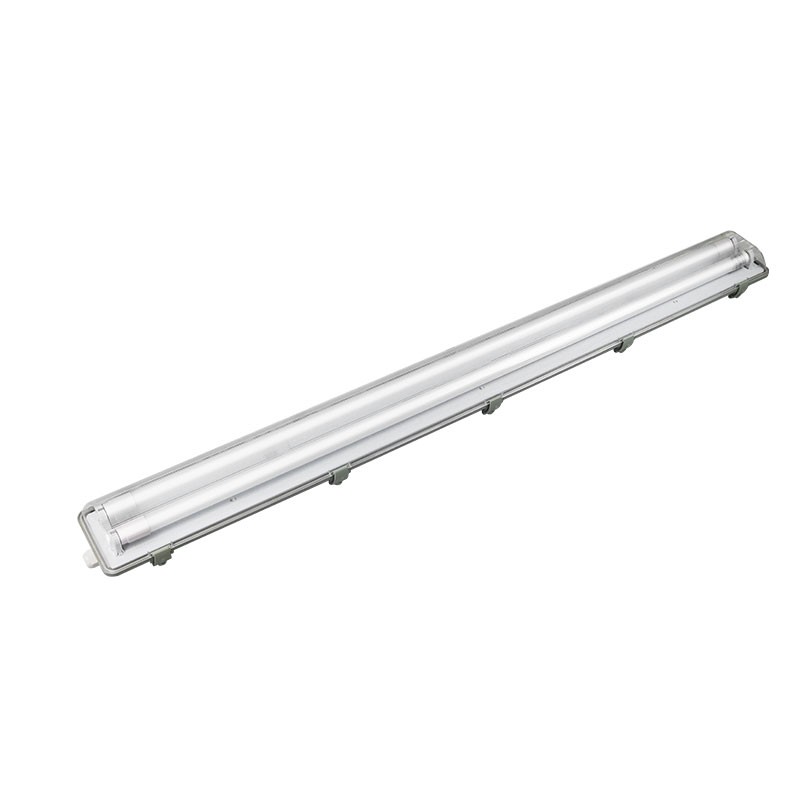
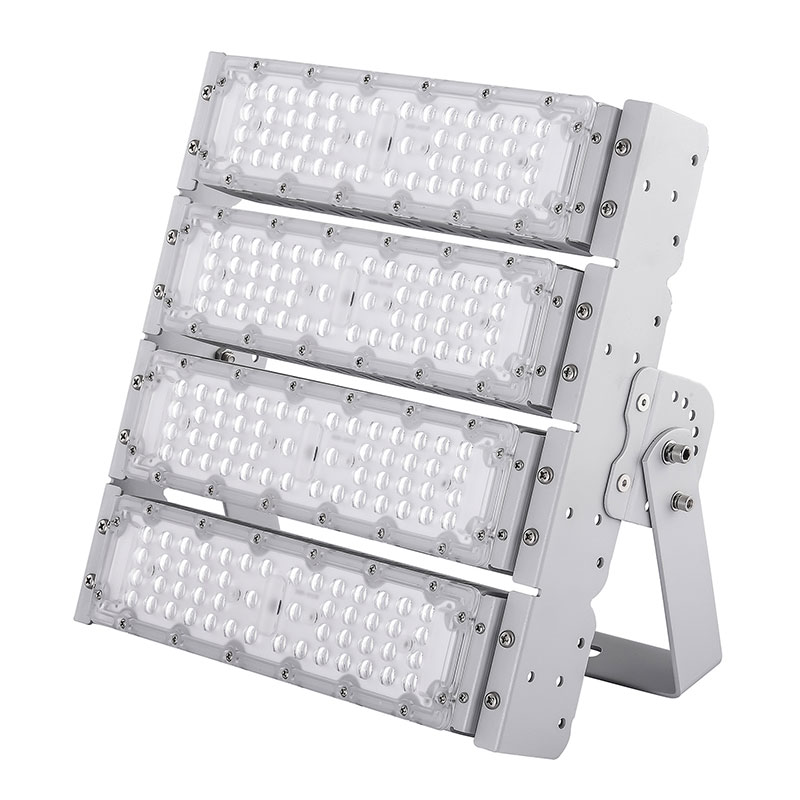


LED sensor ceiling light has become an essential part of modern smart home technology. As the demand for energy-efficient and smart lighting solutions continues to grow, LED sensor ceiling lights have emerged as a popular choice among homeowners and businesses alike. This article aims to provide an in-depth introduction to the LED sensor ceiling light industry, covering its history, technology, benefits, applications, and future trends.
History of LED Sensor Ceiling Light
The concept of LED sensor ceiling light dates back to the early 2000s when LED technology began to gain traction in the lighting industry. Initially, LED lights were primarily used in decorative and accent lighting applications. However, with the advancements in sensor technology, the development of LED sensor ceiling lights became a reality. Over the years, the technology has evolved, and today, LED sensor ceiling lights are widely available in various designs and configurations.
Technology of LED Sensor Ceiling Light
LED sensor ceiling lights are equipped with photoelectric sensors that detect the ambient light levels in a room. When the ambient light is low, the lights automatically turn on, and when the ambient light is high, the lights automatically turn off. This feature not only saves energy but also provides a comfortable and convenient lighting experience. The sensors can be either passive infrared (PIR) sensors or photoelectric sensors, depending on the manufacturer’s design.
The LED light source used in these ceiling lights is known for its energy efficiency and long lifespan. LED lights consume up to 80% less energy than traditional incandescent bulbs and can last up to 25 times longer. This makes LED sensor ceiling lights a cost-effective and sustainable lighting solution.
Benefits of LED Sensor Ceiling Light
LED sensor ceiling lights offer numerous benefits, making them a popular choice for both residential and commercial applications. Some of the key benefits include:
1. Energy Efficiency: As mentioned earlier, LED lights consume significantly less energy than traditional bulbs, resulting in lower electricity bills and reduced carbon emissions.
2. Longevity: LED lights have a longer lifespan, which means less frequent replacements and lower maintenance costs.
3. Smart Control: With the integration of smart home systems, LED sensor ceiling lights can be controlled remotely via a smartphone app or voice assistant, providing convenience and flexibility.
4. Aesthetics: LED sensor ceiling lights come in various designs and finishes, allowing homeowners and businesses to choose a lighting solution that complements their interior decor.
5. Safety: LED lights generate less heat than traditional bulbs, reducing the risk of fire hazards and improving overall safety.
Applications of LED Sensor Ceiling Light
LED sensor ceiling lights are versatile and can be used in a wide range of applications, including:
1. Residential: Homes can benefit from LED sensor ceiling lights in living rooms, bedrooms, kitchens, and bathrooms. These lights provide energy-efficient and convenient lighting solutions for various activities.
2. Commercial: Businesses can use LED sensor ceiling lights in office buildings, retail stores, and warehouses. These lights not only save energy but also create a welcoming and productive environment for employees and customers.
3. Industrial: LED sensor ceiling lights are suitable for use in industrial settings, such as factories and manufacturing plants. They provide reliable and energy-efficient lighting for 24/7 operations.
4. Outdoor: LED sensor ceiling lights can be used for outdoor lighting, such as parking lots, pathways, and gardens. These lights enhance safety and security while minimizing energy consumption.
Future Trends in LED Sensor Ceiling Light Industry
The LED sensor ceiling light industry is continuously evolving, with several emerging trends shaping its future:
1. Integration with Smart Home Systems: As the smart home market grows, LED sensor ceiling lights are expected to become more integrated with home automation systems, allowing for greater control and customization of lighting solutions.
2. Advanced Sensor Technology: Manufacturers are developing more sophisticated sensor technology that can detect motion, presence, and even human emotions, providing even more personalized lighting experiences.
3. Customizable Lighting Solutions: The industry is moving towards more customizable lighting solutions, allowing users to adjust the color temperature, brightness, and even the light distribution pattern to suit their preferences.
4. Energy Storage and Solar-Powered Solutions: With the increasing focus on renewable energy, LED sensor ceiling lights are expected to incorporate energy storage and solar-powered solutions, making them even more sustainable.
In conclusion, LED sensor ceiling lights have revolutionized the lighting industry, offering energy-efficient, smart, and versatile lighting solutions for various applications. As technology continues to advance, the future of LED sensor ceiling lights looks promising, with new innovations and trends shaping the industry.
 English
 Afrikaans
 Albanian
 Amharic
 Arabic
 Armenian
 Azerbaijani
 Basque
 Belarusian
 Bengali
 Bosnian
 Bulgarian
 Catalan
 Cebuano
 Chichewa
 Corsican
 Croatian
 Czech
Czech Danish
 Dutch
Dutch Esperanto
 Estonian
 Filipino
 Finnish
 French
 Frisian
 Galician
 Georgian
 German
 Greek
Greek Gujarati
 Haitian Creole
 Hausa
Hausa Hawaiian
 Hebrew
 Hindi
Hindi Hmong
Hmong Hungarian
 Icelandic
 Igbo
Igbo Indonesian
 Irish
Irish Italian
 Japanese
 Javanese
 Kannada
 Kazakh
 Khmer
Khmer Korean
 Kurdish (Kurmanji)
 Kyrgyz
 Lao
Lao Latin
Latin Latvian
 Lithuanian
 Luxembourgish
 Macedonian
 Malagasy
 Malay
Malay Malayalam
 Maltese
 Maori
Maori Marathi
 Mongolian
 Myanmar (Burmese)
 Nepali
 Norwegian
 Pashto
 Persian
 Polish
 Portuguese
 Punjabi
 Romanian
 Russian
 Samoan
 Scottish Gaelic
 Serbian
 Sesotho
 Shona
Shona Sindhi
 Sinhala
 Slovak
 Slovenian
 Somali
 Spanish
 Sudanese
 Swahili
 Swedish
 Tajik
Tajik Tamil
Tamil Telugu
 Thai
Thai Turkish
 Ukrainian
 Urdu
Urdu Uzbek
Uzbek Vietnamese
 Welsh
Welsh Xhosa
Xhosa Yiddish
 Yoruba
 Zulu
Zulu
Explore More from Queendom Lamp
Stay updated with the latest LED technology, lighting solutions, and industry insights.
Request a Quote About Queendom