







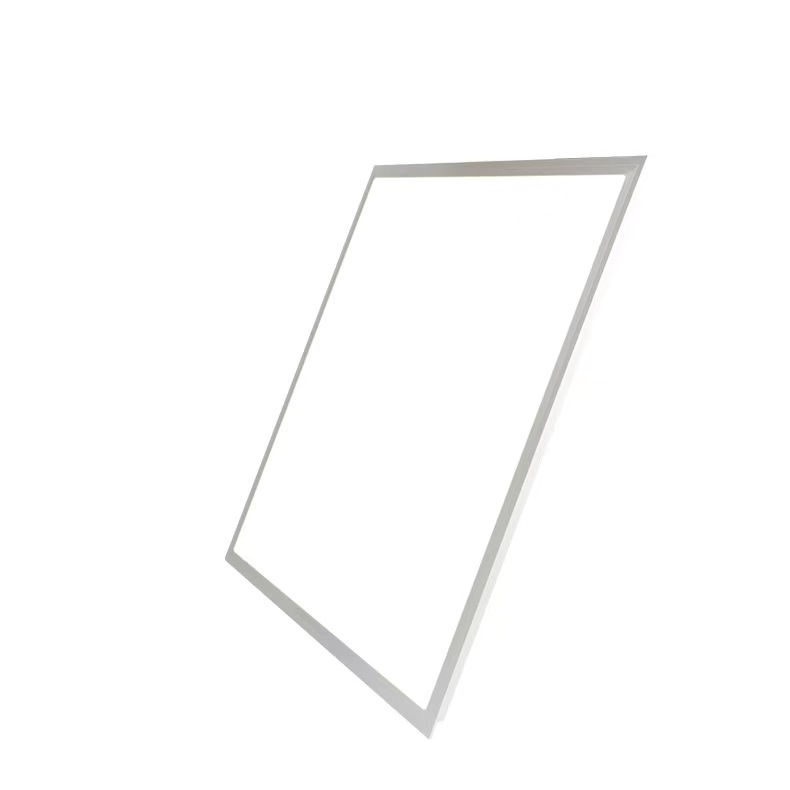
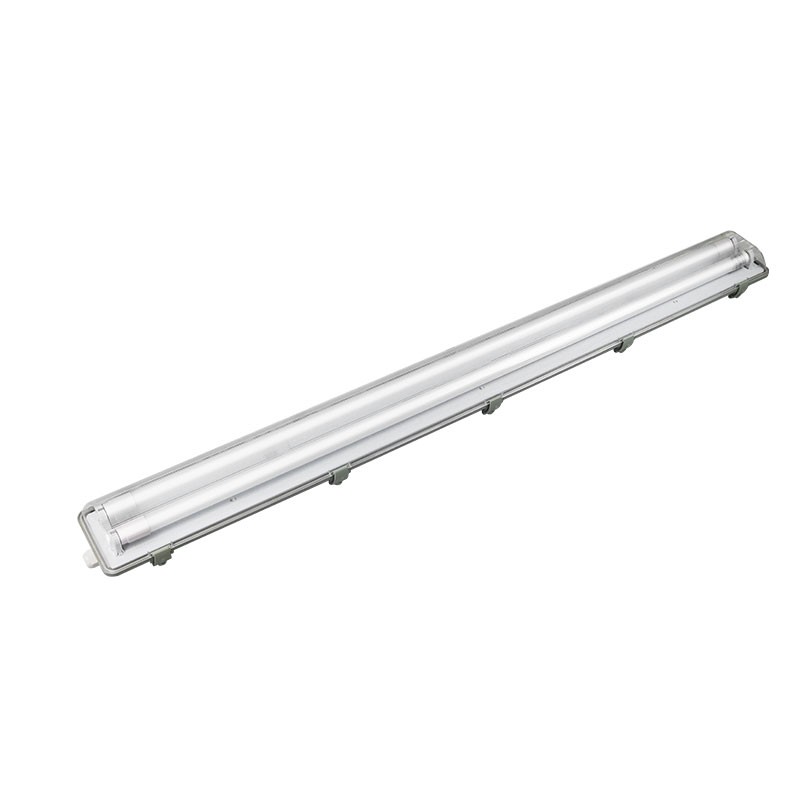
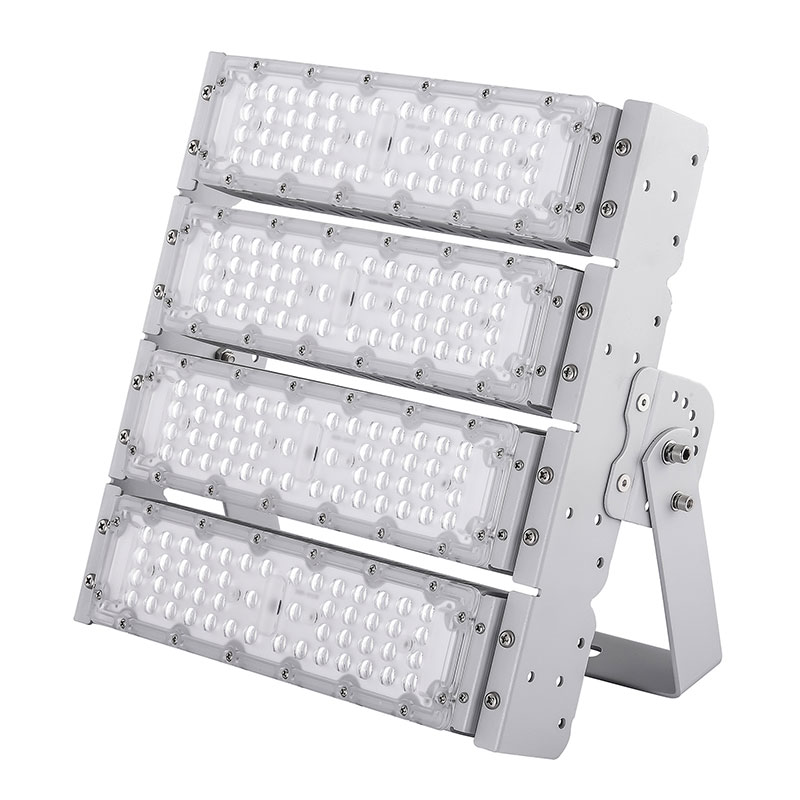


Household induction lamps have become an increasingly popular choice for lighting in modern homes. These energy-efficient lighting solutions offer a range of benefits over traditional incandescent and fluorescent bulbs, making them a smart and sustainable option for consumers looking to reduce their energy consumption and lower their utility bills.
Introduction to Household Induction Lamps
Household induction lamps, also known as induction lighting or magnetic induction lamps, are a type of lighting technology that uses electromagnetic induction to generate light. Unlike traditional bulbs that rely on heating a filament or gas to produce light, induction lamps use high-frequency electromagnetic fields to excite mercury vapor, which then emits UV light that is converted into visible light by a phosphor coating on the lamp’s inner surface.
The technology behind household induction lamps was first developed in the early 20th century, but it has only recently gained widespread popularity due to advancements in materials and manufacturing processes. These lamps are known for their long lifespan, high efficiency, and excellent color rendering, making them a desirable choice for both residential and commercial applications.
How Household Induction Lamps Work
The operation of a household induction lamp is based on the principle of electromagnetic induction. Here’s a simplified explanation of the process:
1. High-Frequency Transformer: The lamp is powered by a high-frequency transformer that converts the standard AC voltage to a high-frequency AC current.
2. Magnetic Field Generation: This high-frequency current passes through a coil, creating a strong magnetic field around the coil.
3. Mercury Vapor Excitation: The magnetic field induces a high voltage across the glass tube containing mercury vapor. This voltage excites the mercury atoms, causing them to emit UV light.
4. Phosphor Coating: The UV light then strikes a phosphor coating on the inside of the glass tube. The phosphor coating converts the UV light into visible light, which is emitted from the lamp.
5. Light Output: The resulting visible light is emitted from the lamp, providing illumination for the intended area.
Benefits of Household Induction Lamps
There are several advantages to using household induction lamps:
– Energy Efficiency: Induction lamps are highly efficient, converting over 90% of electrical energy into light, compared to around 10-20% for incandescent bulbs and 20-30% for compact fluorescent lamps (CFLs).
– Long Lifespan: Induction lamps have a lifespan of up to 25,000 hours, which is significantly longer than traditional bulbs and CFLs. This reduces the frequency of replacement and maintenance costs.
– Instant Start: Induction lamps provide instant lighting without the warm-up time required by other types of bulbs.
– Excellent Color Rendering: These lamps offer excellent color rendering, which is crucial for accurate color perception in tasks such as cooking, reading, or watching television.
– Environmentally Friendly: Induction lamps contain no mercury, unlike CFLs, making them a more environmentally friendly option.
Applications of Household Induction Lamps
Household induction lamps are suitable for a wide range of applications within the home:
– General Lighting: They can be used as replacements for traditional bulbs in lamps, ceiling fixtures, and wall sconces.
– Task Lighting: Induction lamps are ideal for task lighting in kitchens, workshops, and study areas, providing clear and focused illumination.
– Outdoor Lighting: Due to their long lifespan and low maintenance requirements, induction lamps are also used in outdoor lighting, such as streetlights and garden lights.
– Emergency Lighting: Their instant start-up feature makes them suitable for emergency lighting systems, ensuring illumination during power outages.
Challenges and Considerations
While household induction lamps offer numerous benefits, there are some challenges and considerations to keep in mind:
– Initial Cost: Induction lamps are generally more expensive than traditional bulbs and CFLs when purchased individually. However, the long lifespan and energy savings can offset this initial cost over time.
– Compatibility: Some induction lamps may require specific transformers or ballasts to operate properly, which can add to the overall cost.
– Warm-Up Time: Although induction lamps provide instant lighting, they may take a few seconds to reach full brightness after being turned on.
– Dimming: Dimming induction lamps can be more complex than with other types of bulbs, and not all models are compatible with dimming systems.
Conclusion
Household induction lamps represent a significant advancement in lighting technology, offering consumers a more efficient, durable, and environmentally friendly alternative to traditional bulbs. With their long lifespan, excellent color rendering, and energy-saving capabilities, induction lamps are becoming a popular choice for lighting in modern homes. As technology continues to evolve, we can expect further improvements in efficiency, cost, and compatibility, making induction lamps an even more attractive option for homeowners and businesses alike.
 English
 Afrikaans
 Albanian
 Amharic
 Arabic
 Armenian
 Azerbaijani
 Basque
 Belarusian
 Bengali
 Bosnian
 Bulgarian
 Catalan
 Cebuano
 Chichewa
 Corsican
 Croatian
 Czech
Czech Danish
 Dutch
Dutch Esperanto
 Estonian
 Filipino
 Finnish
 French
 Frisian
 Galician
 Georgian
 German
 Greek
Greek Gujarati
 Haitian Creole
 Hausa
Hausa Hawaiian
 Hebrew
 Hindi
Hindi Hmong
Hmong Hungarian
 Icelandic
 Igbo
Igbo Indonesian
 Irish
Irish Italian
 Japanese
 Javanese
 Kannada
 Kazakh
 Khmer
Khmer Korean
 Kurdish (Kurmanji)
 Kyrgyz
 Lao
Lao Latin
Latin Latvian
 Lithuanian
 Luxembourgish
 Macedonian
 Malagasy
 Malay
Malay Malayalam
 Maltese
 Maori
Maori Marathi
 Mongolian
 Myanmar (Burmese)
 Nepali
 Norwegian
 Pashto
 Persian
 Polish
 Portuguese
 Punjabi
 Romanian
 Russian
 Samoan
 Scottish Gaelic
 Serbian
 Sesotho
 Shona
Shona Sindhi
 Sinhala
 Slovak
 Slovenian
 Somali
 Spanish
 Sudanese
 Swahili
 Swedish
 Tajik
Tajik Tamil
Tamil Telugu
 Thai
Thai Turkish
 Ukrainian
 Urdu
Urdu Uzbek
Uzbek Vietnamese
 Welsh
Welsh Xhosa
Xhosa Yiddish
 Yoruba
 Zulu
Zulu
Explore More from Queendom Lamp
Stay updated with the latest LED technology, lighting solutions, and industry insights.
Request a Quote About Queendom