





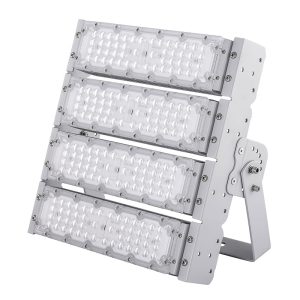
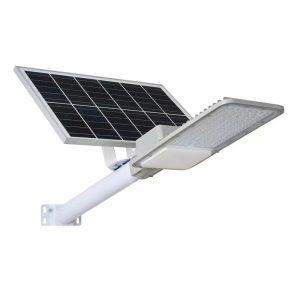
Solar plant lights have emerged as a revolutionary solution in the field of outdoor lighting, harnessing the power of the sun to illuminate spaces without the need for traditional electrical grids. This innovative technology has gained significant traction in recent years, particularly in remote and off-grid locations where the installation of conventional power lines is impractical or cost-prohibitive. This article delves into the world of solar plant lights, exploring their benefits, applications, and the technological advancements that have made them a staple in modern outdoor lighting solutions.
Introduction to Solar Plant Lights
Solar plant lights are a type of photovoltaic (PV) lighting system designed to convert sunlight into electricity, which is then used to power outdoor lighting fixtures. These lights are composed of several key components: solar panels, a charge controller, batteries, and the lighting fixtures themselves. The solar panels absorb sunlight during the day, converting it into direct current (DC) electricity, which is then stored in batteries for use at night.
Benefits of Solar Plant Lights
There are several advantages to using solar plant lights over traditional lighting solutions:
- Environmental Friendliness: Solar plant lights are powered by renewable energy, reducing carbon emissions and minimizing the environmental impact of outdoor lighting.
- Cost-Effective: The initial investment for solar plant lights can be higher than traditional lighting, but over time, the energy savings and reduced maintenance costs can offset this difference.
- Energy Independence: Solar plant lights operate independently of the electrical grid, making them ideal for remote locations or areas prone to power outages.
- Longevity: Solar panels have a long lifespan, often lasting 25 years or more, and the lighting fixtures themselves are designed to withstand harsh weather conditions.
Applications of Solar Plant Lights
Solar plant lights find applications in a wide range of settings:
- Residential Areas: They are commonly used in homes, gardens, and driveways to provide decorative and functional lighting.
- Commercial Spaces: Solar lights are used in parking lots, walkways, and signage in commercial buildings to enhance safety and aesthetics.
- Public Areas: They are often installed in parks, streets, and public buildings to illuminate walkways and create a welcoming atmosphere.
- Agricultural Settings: Solar plant lights can be used to illuminate crops and facilities, improving yield and safety in agricultural operations.
- Emergency Lighting: In areas prone to natural disasters, solar plant lights can serve as emergency backup lighting during power outages.
Technological Advancements
The technology behind solar plant lights has seen significant advancements over the years:
- Efficiency Improvements: Modern solar panels are more efficient at converting sunlight into electricity, allowing for smaller and lighter designs.
- Longer Battery Life: Advances in battery technology have led to longer-lasting batteries, reducing the frequency of battery replacements.
- Smart Lighting Systems: Integration with smart technology allows for remote monitoring and control of solar plant lights, improving energy efficiency and user convenience.
- Customizable Lighting Solutions: Solar plant lights now come in a variety of designs and configurations, allowing for customized lighting solutions to meet specific needs.
Challenges and Future Outlook
Despite the numerous benefits, there are challenges associated with the adoption of solar plant lights:
- Initial Cost: The upfront cost of solar plant lights can be a barrier for some consumers and businesses.
- Weather Dependence: Solar plant lights rely on sunlight, and their performance can be affected by cloudy weather or seasonal changes.
- Installation Complexity: Proper installation is crucial for optimal performance, and this can be a challenge for those without the necessary expertise.
Looking to the future, the solar plant lights industry is expected to continue growing, driven by increasing environmental awareness, technological advancements, and the need for sustainable energy solutions. Innovations in solar panel efficiency, battery technology, and smart lighting systems will likely further enhance the appeal and functionality of solar plant lights, making them an even more integral part of outdoor lighting solutions worldwide.
Conclusion
Solar plant lights represent a promising and sustainable alternative to traditional outdoor lighting. With their environmental benefits, cost savings, and technological advancements, they are poised to become a staple in modern outdoor lighting solutions. As the industry continues to evolve, solar plant lights are likely to play an increasingly significant role in shaping the future of outdoor lighting, providing safe, efficient, and eco-friendly illumination for generations to come.
 English
 Afrikaans
 Albanian
 Amharic
 Arabic
 Armenian
 Azerbaijani
 Basque
 Belarusian
 Bengali
 Bosnian
 Bulgarian
 Catalan
 Cebuano
 Chichewa
 Corsican
 Croatian
 Czech
Czech Danish
 Dutch
Dutch Esperanto
 Estonian
 Filipino
 Finnish
 French
 Frisian
 Galician
 Georgian
 German
 Greek
Greek Gujarati
 Haitian Creole
 Hausa
Hausa Hawaiian
 Hebrew
 Hindi
Hindi Hmong
Hmong Hungarian
 Icelandic
 Igbo
Igbo Indonesian
 Irish
Irish Italian
 Japanese
 Javanese
 Kannada
 Kazakh
 Khmer
Khmer Korean
 Kurdish (Kurmanji)
 Kyrgyz
 Lao
Lao Latin
Latin Latvian
 Lithuanian
 Luxembourgish
 Macedonian
 Malagasy
 Malay
Malay Malayalam
 Maltese
 Maori
Maori Marathi
 Mongolian
 Myanmar (Burmese)
 Nepali
 Norwegian
 Pashto
 Persian
 Polish
 Portuguese
 Punjabi
 Romanian
 Russian
 Samoan
 Scottish Gaelic
 Serbian
 Sesotho
 Shona
Shona Sindhi
 Sinhala
 Slovak
 Slovenian
 Somali
 Spanish
 Sudanese
 Swahili
 Swedish
 Tajik
Tajik Tamil
Tamil Telugu
 Thai
Thai Turkish
 Ukrainian
 Urdu
Urdu Uzbek
Uzbek Vietnamese
 Welsh
Welsh Xhosa
Xhosa Yiddish
 Yoruba
 Zulu
Zulu
Explore More from Queendom Lamp
Stay updated with the latest LED technology, lighting solutions, and industry insights.
Request a Quote About Queendom